There’s something quietly shifting in how India thinks about mobility. It’s not just about buying an electric vehicle anymore—it’s about how you live with it, charge it, and make it fit into your everyday rhythm. And somewhere in that shift, subscription-based EV charging networks have started to creep into the conversation. Not loudly, not dramatically—but steadily.
If you’ve ever worried about where to charge your EV on a long drive, or how much it’ll cost over time, you’re not alone. These concerns are real, and they’re shaping the next wave of innovation in the EV ecosystem.
What Exactly Are Subscription-Based Charging Networks?
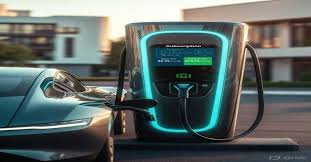
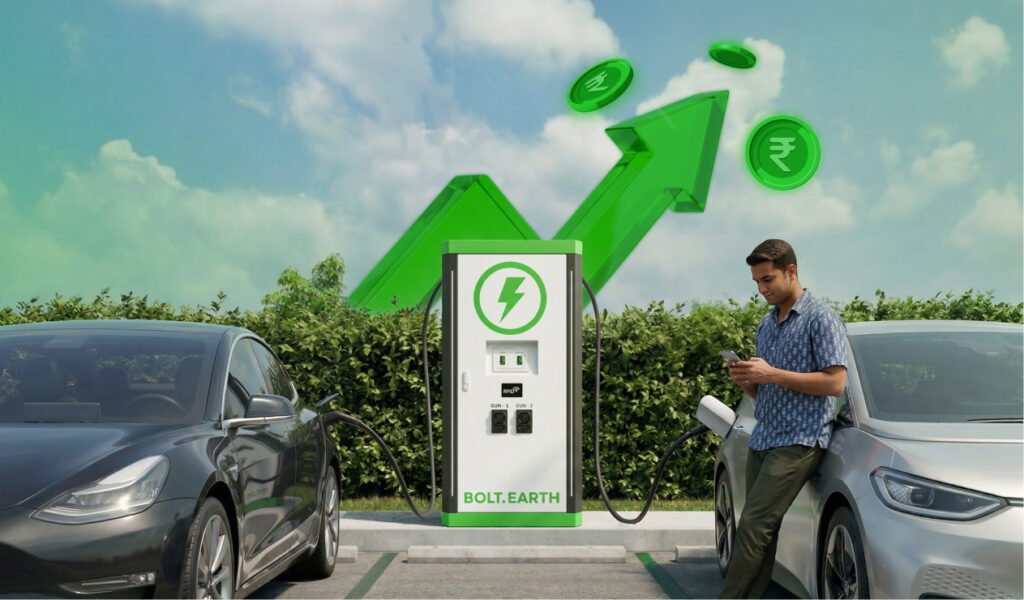
Think of it like your OTT platform or your mobile data plan. Instead of paying every single time you charge your vehicle, you sign up for a monthly or yearly plan. That plan gives you access to a network of charging stations—sometimes unlimited, sometimes capped, depending on the package.
It’s a simple idea, honestly. Predictability. Convenience. A bit of peace of mind.
For many EV users, especially in urban areas, this could be a game changer. No more constantly checking prices at different charging points. No more mental math every time your battery dips below 20%.
Why This Model Feels Relevant for India
India is… complicated. Beautiful, yes—but complicated. Infrastructure varies wildly from city to city, and even within the same city, you might find well-developed areas right next to zones where basic facilities struggle.
That’s where a subscription model could shine. Instead of relying on scattered, inconsistent charging stations, users get access to a more organized ecosystem. Companies can focus on building reliable networks because they have predictable revenue coming in.
And let’s be honest—Indians love value-for-money deals. Fixed monthly pricing has a psychological comfort to it. You know what you’re spending. No surprises.
Some early adopters are already exploring this space, testing different pricing tiers and benefits. It’s still evolving, but the intent is clear.
The Real Challenges Nobody Talks About Enough
Now, here’s the thing. This isn’t a perfect system—at least not yet.
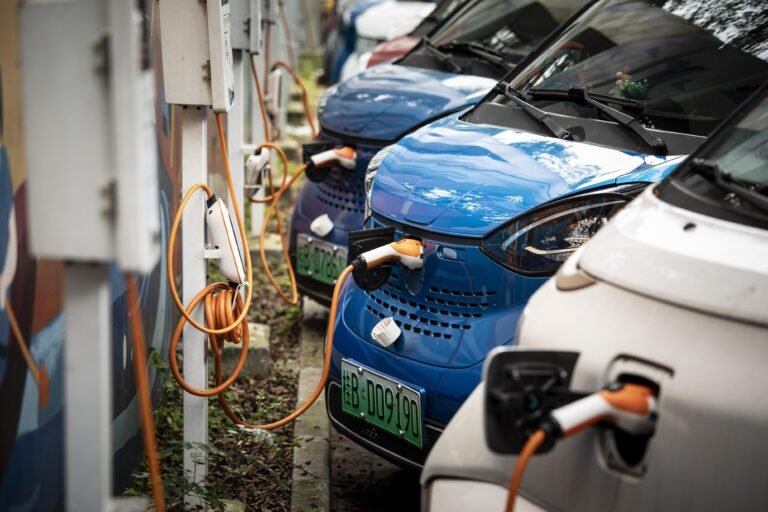
One major hurdle is infrastructure density. Subscription models only work well if there are enough charging points available. Otherwise, you’re paying for access you can’t fully use. That frustration can kill trust pretty quickly.
Then there’s the question of standardization. Different EVs, different charging speeds, different connectors—it’s a bit messy right now. For subscription services to truly scale, there needs to be some level of uniformity across networks.
And pricing… that’s tricky too. If subscriptions are too expensive, people won’t bite. Too cheap, and companies might struggle to maintain the network quality. It’s a balancing act, and honestly, no one has cracked it perfectly yet.
A Subtle Shift in Consumer Mindset
Here’s something interesting though. Younger EV buyers—especially in metro cities—are less attached to ownership models and more open to service-based experiences. They’re already used to subscriptions for everything from music to groceries.
So when the question comes up—India me subscription-based EV charging networks ka future kya hai?—it’s not just about infrastructure or pricing. It’s about behavior.
Are people ready to think of charging as a service rather than a transaction?
Slowly, the answer seems to be leaning toward yes.
Potential Benefits That Could Tip the Scale
If done right, subscription charging could bring some very real advantages:
- Cost predictability: No fluctuating charging costs depending on location or time.
- Network reliability: Companies have an incentive to maintain and expand stations.
- User convenience: One app, one plan, seamless experience.
- Encouraging EV adoption: Reduces one of the biggest psychological barriers—charging anxiety.
It’s not hard to imagine a future where your EV plan is bundled—vehicle, maintenance, insurance, and charging—all under one subscription. Sounds a bit futuristic, but not impossible.
Rural and Tier-2 India: The Bigger Question
While metros might adopt this quickly, the real test lies in Tier-2 and rural regions. Infrastructure gaps are wider there, and usage patterns are different.
However, this is also where innovation often surprises us. If companies can create localized subscription models—maybe smaller, community-based networks—it could unlock entirely new markets.
It won’t look the same everywhere. And that’s okay.
So, Where Does It All Lead?
If you zoom out a little, this isn’t just about charging. It’s about how mobility itself is evolving. Ownership is becoming less rigid. Services are becoming more integrated. And users… they just want things to work smoothly.
Subscription-based EV charging networks might not explode overnight. They’ll likely grow in patches, improve quietly, and then one day feel completely normal.
Kind of like how digital payments did.
And maybe, a few years down the line, we won’t even think twice about it. Charging your car will feel less like a task—and more like just another invisible service running in the background of your life.
That’s when you’ll know it worked.