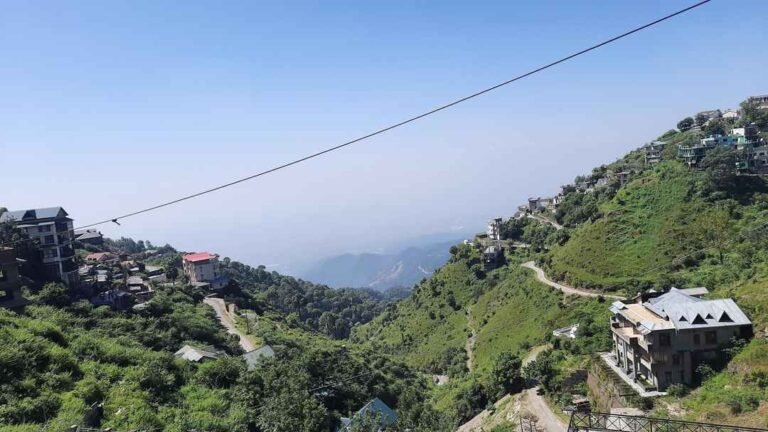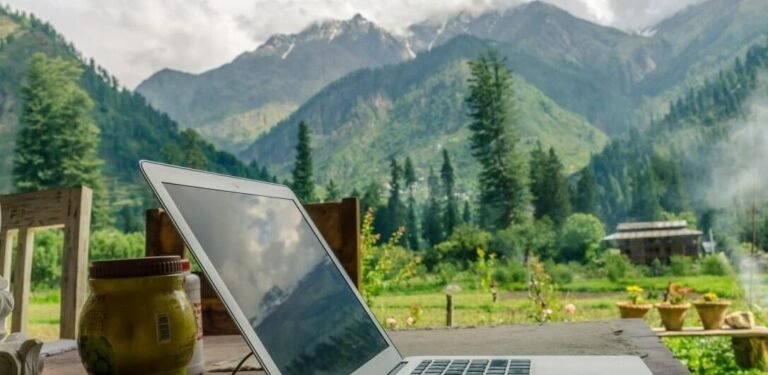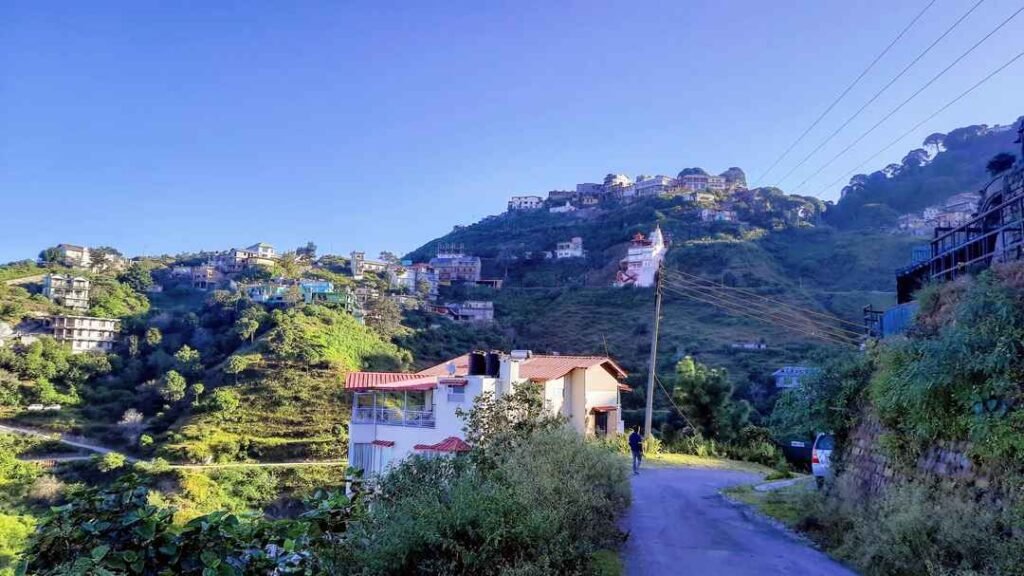
There’s something oddly comforting about opening your laptop to a view that isn’t a concrete wall. Maybe it’s a hillside in Himachal, a quiet beach in Goa, or a sleepy village road where time seems to move a little slower. The idea of working from such places—what we now casually call a “workcation”—has caught on in India, especially after remote work became more than just a temporary adjustment.
But beyond the Instagram stories and scenic Zoom backgrounds, there’s a deeper question worth asking. Are these workcation villages just a passing trend, or could they actually reshape how we think about travel, work, and local economies?
What Exactly Is a Workcation Village?
At its core, a workcation village is a destination designed for people who want to stay longer than a typical tourist. It offers reliable internet, basic work infrastructure, and a living environment that blends productivity with a slower pace of life.
It’s not a hotel in the traditional sense. It’s more like a temporary home—one where you work during the day and explore in the evenings.
And increasingly, these spaces are popping up in less crowded, more remote parts of India.
Why the Idea Feels So Appealing
Let’s be honest—urban life in India can get exhausting. Traffic, noise, packed schedules. The idea of escaping that, even for a few weeks, while still staying productive, is incredibly tempting.
For freelancers, remote employees, and even entrepreneurs, workcations offer flexibility. You don’t have to choose between earning and exploring. You can do both.
There’s also a mental shift that happens when you change your environment. Creativity flows differently. Stress levels dip. You notice things you’d usually ignore.
It’s not just travel—it’s a change in rhythm.
The Local Impact: Opportunity Meets Responsibility
From the perspective of local communities, workcation villages bring opportunity.
Longer stays mean consistent income. Not just for accommodation providers, but for local cafes, transport services, and small businesses. It creates a more stable tourism model compared to short, seasonal visits.
But there’s a flip side.
Unplanned growth can strain local resources—water, waste management, even cultural balance. If not handled carefully, what starts as a positive trend can disrupt the very environment that made the place attractive in the first place.
So, Can This Model Actually Be Sustainable?
This is where things get interesting—Workcation villages India me sustainable travel model ban sakte hain kya?
The answer isn’t a simple yes or no.
They can be sustainable—but only if growth is intentional.
Sustainability here isn’t just about eco-friendly practices. It’s about balancing economic benefits with environmental and cultural preservation. It’s about ensuring that local communities are participants, not just bystanders.
Infrastructure: The Make-or-Break Factor
One of the biggest challenges for workcation villages in India is infrastructure.
Reliable internet is non-negotiable. So is consistent electricity, clean water, and basic healthcare access. Without these, the “work” part of a workcation falls apart quickly.
Some destinations have managed to build this infrastructure thoughtfully. Others are still catching up.
The gap between expectation and reality can sometimes be wider than anticipated.
The People Who Make It Work
Interestingly, the success of a workcation village often depends on its people.
Hosts who understand the needs of remote workers. Communities that are open to interaction without losing their identity. Travelers who respect local culture and contribute positively.
It’s a shared ecosystem. And like any ecosystem, it thrives on balance.
A Shift in Travel Mindset
Workcations are also changing how people travel.
Instead of rushing through multiple destinations, there’s a growing preference for staying longer in one place. Slower travel. Deeper experiences.
You get to know the local tea stall owner. You find your favorite walking route. You start to feel… connected.
That kind of travel leaves a different kind of impact—both on the traveler and the place.
The Risk of Becoming Just Another Trend
Of course, not every trend lasts.
There’s a possibility that workcation villages could become over-commercialized. Standardized experiences replacing authentic ones. Prices rising, pushing out both locals and long-term travelers.
We’ve seen similar patterns in popular tourist destinations before.
The challenge is to grow without losing what made these places special.
What Needs to Happen Next
For workcation villages to truly become a sustainable model in India, a few things need to align:
- Thoughtful infrastructure development
- Clear guidelines for environmental impact
- Community involvement in decision-making
- Awareness among travelers about responsible behavior
It’s not just about building more spaces. It’s about building them right.
A Final Thought
There’s something quietly powerful about the idea of working from a place that feels alive, not rushed. Where your day isn’t just defined by deadlines, but also by sunsets, conversations, and small moments of stillness.
Workcation villages tap into that desire.
But whether they become a sustainable part of India’s travel landscape—or just another fleeting trend—depends on how we approach them now.
Because sometimes, the future of travel isn’t about going farther.
It’s about staying longer, and caring a little more while you’re there.