Walk into almost any restaurant, hotel, café, or convenience store, and you’ll probably hear the quiet hum of an ice machine tucked away in the background. It’s one of those pieces of equipment that rarely gets much attention—until it stops working. Then suddenly, everything from customer service to food safety feels a little more complicated.
What many business owners don’t realize is that the biggest factor affecting an ice machine isn’t always the machine itself. It’s the water flowing through it every single day. Minerals, chlorine, sediment, and other contaminants gradually build up inside the system, affecting both performance and the quality of the ice. Over time, those tiny issues can become expensive repairs, wasted energy, and frustrated staff.
That’s why paying attention to water quality isn’t just another maintenance task. It’s one of the simplest ways to protect your equipment while delivering a better experience to customers.
Water Quality Shapes More Than Just the Taste of Ice
Ice might seem simple. After all, it’s just frozen water. But if the water contains impurities, those impurities don’t magically disappear when it freezes.
Instead, they can create cloudy cubes, unpleasant tastes, strange odors, and even mineral deposits inside the machine. Anyone who’s ordered a cold drink only to notice a slightly metallic or chemical flavor has experienced the difference poor water can make.
Businesses that rely heavily on beverages know this well. Coffee shops, bars, restaurants, hospitals, and hotels all depend on consistent ice quality because customers notice the details, even if they don’t consciously think about them.
A glass filled with clear, fresh-tasting ice simply creates a better impression.
The Hidden Cost of Mineral Buildup
Hard water can be surprisingly destructive over time.
Calcium and magnesium gradually collect on internal components, reducing water flow and forcing the machine to work harder than necessary. What begins as a thin layer of scale eventually becomes thick deposits that interfere with freezing cycles and increase wear on expensive parts.
Maintenance visits become more frequent. Cleaning takes longer. Replacement components add unexpected costs. Sometimes businesses even assume the equipment has reached the end of its life when, in reality, untreated water has simply shortened it.
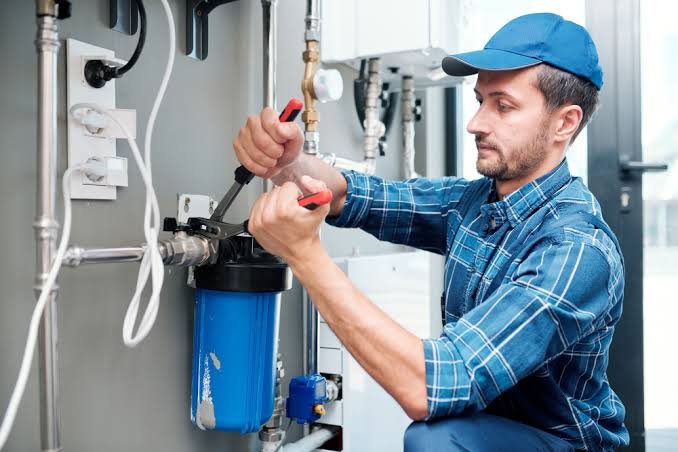
Installing ice machine water filtration is often one of the most practical ways to reduce those long-term problems before they become expensive repairs.
Cleaner Equipment Usually Means Lower Operating Costs
When an ice machine operates efficiently, everything around it becomes easier.
The compressor doesn’t struggle as much. Water flows more consistently. Ice production stays predictable during busy hours. Staff spend less time troubleshooting unexpected issues, and managers spend less money scheduling emergency service calls.
It’s not just about avoiding breakdowns, either.
Efficient equipment generally consumes less electricity and wastes less water during production cycles. While every business is different, those small improvements can quietly add up throughout the year.
Many owners are surprised that something as simple as improving incoming water quality can influence operational costs so noticeably.
Why Restaurants and Hotels Often Invest in Better Filtration
Businesses serving hundreds of customers every day can’t afford inconsistent ice production.
Hotels need reliable ice for guests on every floor. Restaurants depend on it during lunch and dinner rushes. Healthcare facilities require dependable sanitation standards, while cafés expect crystal-clear cubes that don’t interfere with specialty beverages.
That’s where commercial filtration systems become especially valuable. Rather than focusing only on taste, these systems help reduce sediment, chlorine, scale-forming minerals, and other contaminants that affect equipment performance over time.
The result isn’t just better ice. It creates a more dependable operation with fewer interruptions.
Maintenance Still Matters
A filtration system isn’t a replacement for regular maintenance.
Ice machines still need scheduled cleaning, sanitizing, and inspection. Water filters require replacement according to manufacturer recommendations. Ignoring filter changes can reduce effectiveness and eventually create the very problems businesses were hoping to avoid.
Think of filtration as one part of a complete maintenance strategy.
When routine servicing works alongside quality water treatment, equipment generally performs more consistently and lasts considerably longer.
It’s similar to changing the oil in a vehicle. Skipping maintenance might save a little money today, but it almost always costs much more later.
Customers Notice the Small Details
Businesses sometimes underestimate how much customers notice water quality.
Clear ice melts more slowly because it’s typically denser and contains fewer trapped impurities. Drinks stay colder without becoming diluted quite as quickly. Coffee tastes cleaner. Soft drinks maintain their intended flavor.
People may never compliment the ice directly, but they often remember the overall experience.
Providing cleaner water throughout beverage preparation quietly supports better customer satisfaction without requiring dramatic changes elsewhere in the business.
Sometimes the smallest improvements create the strongest impressions.
Choosing the Right Solution
Every facility has different water conditions.
A café in one city may deal primarily with chlorine, while a restaurant in another region struggles with extremely hard water. Some businesses require higher production volumes, while others simply want consistent quality for smaller operations.
Before selecting any filtration setup, it’s worth understanding the local water supply through professional testing. That information helps determine whether sediment filtration, carbon filtration, scale reduction, or a combination of technologies will provide the greatest benefit.
Choosing a system based on actual water conditions is usually far more effective than buying the largest or most expensive option available.
A Long-Term Investment That Pays Off
Running a successful business often comes down to taking care of the little things before they become big problems.
Water quality rarely receives the same attention as kitchen equipment, refrigeration, or customer service, yet it influences all of them in subtle ways. Better water supports cleaner ice, reduces maintenance headaches, protects valuable equipment, and helps create a more enjoyable experience for every customer who orders a cold drink.
At the end of the day, an ice machine is only as good as the water flowing into it. Investing in proper filtration isn’t simply about protecting machinery—it’s about protecting the consistency, reputation, and efficiency of the business itself.
Businesses that recognize that connection often spend less time dealing with unexpected repairs and more time focusing on what matters most: serving customers with confidence, one perfectly chilled drink at a time.