Water is one of those things most of us barely think about until something seems wrong. The taste changes. There’s a strange smell from the kitchen tap. White spots begin showing up on glasses and faucets. Maybe the water looks perfectly clear, but you still wonder what’s actually in it.
That’s where understanding water quality becomes important. Clean-looking water isn’t always the same as healthy or properly treated water, and different homes can face very different challenges depending on the local supply, plumbing, groundwater conditions, and even the age of the pipes.
The good news? You don’t need to become a chemistry expert to make smarter decisions. A little knowledge, paired with proper testing, can go a long way.
Why Water Quality Can Vary So Much
Water doesn’t have a single, universal condition. It can pick up minerals, sediments, microorganisms, chemicals, or other substances as it travels through natural sources, treatment facilities, storage tanks, and household plumbing.
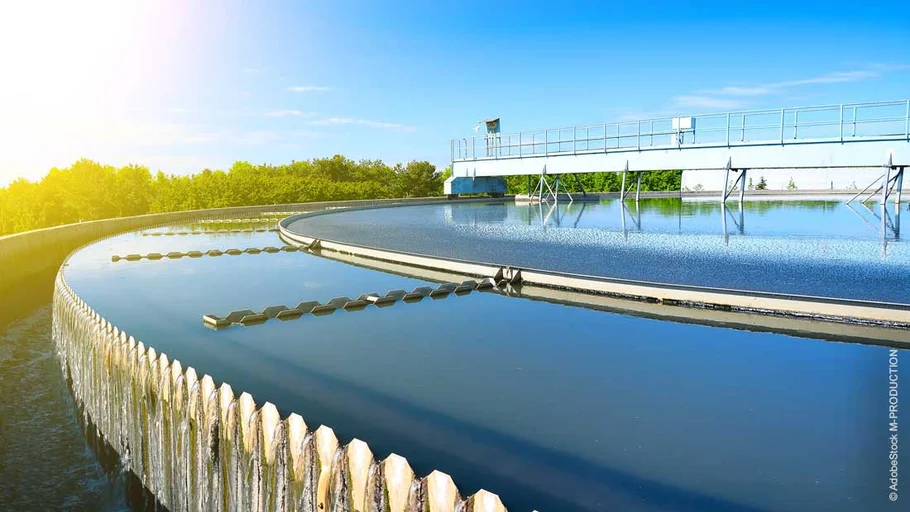
Municipal water supplies are generally treated before reaching homes, but that doesn’t mean every household receives water with identical characteristics. Groundwater, for example, may naturally contain higher levels of calcium, magnesium, iron, or other minerals. Older plumbing can introduce additional concerns.
Even within the same neighborhood, things can differ.
A home with a private well may have completely different water issues from a house connected to a city supply. Seasonal changes can also affect groundwater conditions. Heavy rainfall, drought, construction, and changes in the local water source may influence what homeowners notice at the tap.
That’s why assumptions aren’t always useful. Testing is.
What Water Treatment Actually Does
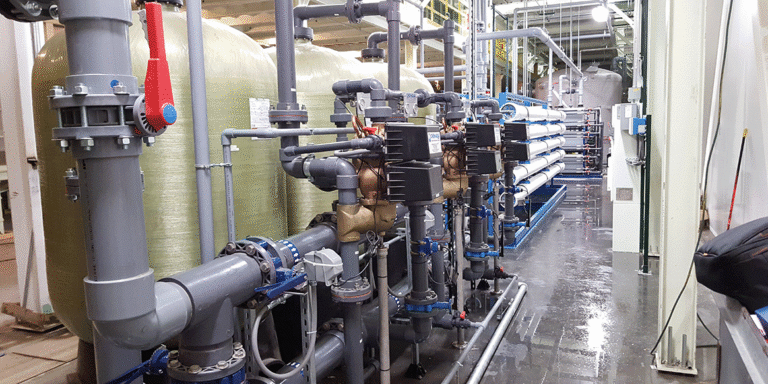
The phrase water treatment covers a surprisingly wide range of technologies and processes. There isn’t one magical system that fixes every possible water problem.
Instead, treatment should be matched to the specific issue.
For instance, sediment filters can help reduce sand, dirt, rust particles, and other suspended material. Activated carbon systems are commonly used to improve taste and odor while reducing certain chemicals, including chlorine. Water softeners are designed primarily to address hardness caused by minerals such as calcium and magnesium.
For drinking water, some homeowners choose reverse osmosis systems or other point-of-use technologies when specific contaminants need to be reduced.
The key is knowing what you’re trying to remove.
Installing an expensive system simply because it sounds advanced isn’t necessarily a smart move. In fact, it can be a waste of money if the system isn’t designed for the water entering your home.
Start With a Water Test
Before choosing equipment, test the water.
It sounds obvious, yet this step gets skipped surprisingly often. People notice scale on their showerhead and immediately assume they need a softener. Someone else smells chlorine and buys a carbon filter. Another homeowner sees cloudy water and assumes there’s a serious contamination problem.
Sometimes they’re right. Sometimes they’re not.
A professional water analysis can identify hardness, pH, iron, manganese, chlorine, sediment, and other relevant characteristics. Depending on the water source and local concerns, additional testing may be appropriate.
Testing also gives you a baseline. That matters because water conditions can change over time. If you know what your water looked like six months or a year ago, it’s easier to notice meaningful changes later.
Think of it like checking the oil in your car. You don’t wait for the engine to make a horrible noise before paying attention.
Choosing the Right Water Filtration Approach
Good water filtration isn’t about buying the biggest system available. It’s about choosing the right technology for the job.
Different filters target different problems. Sediment filtration can capture physical particles, while carbon filtration is often used for taste, odor, and certain chemical compounds. More advanced technologies may be appropriate for particular contaminants that ordinary filters can’t adequately reduce.
There’s also a question of where filtration should happen.
A whole-home system treats water as it enters the property, which can be useful when you want treated water throughout the house. A point-of-use system, such as one installed under the kitchen sink, focuses treatment where drinking and cooking water are used most.
Neither option is automatically better. It depends on the problem.
If your biggest concern is drinking water, a point-of-use system may make sense. If you’re dealing with sediment or unpleasant water characteristics throughout the house, whole-home treatment could be more practical.
Don’t Forget About Hard Water
Hard water is one of the most common complaints homeowners encounter, particularly in areas where groundwater contains substantial mineral content.
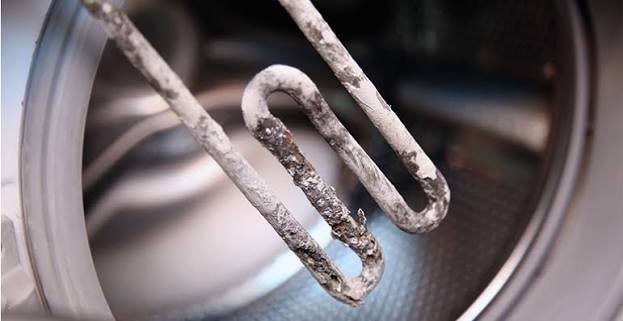
You may notice white scale around faucets, a chalky film on shower doors, stiff laundry, or soap that doesn’t seem to lather properly. Over time, mineral deposits can also accumulate inside fixtures and appliances.
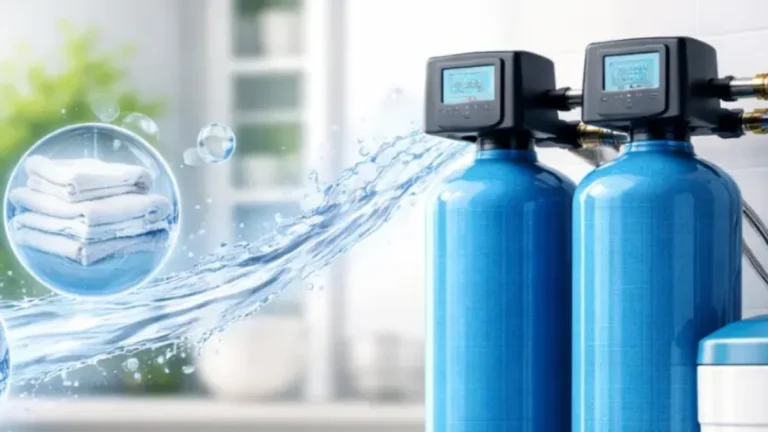
A water softener can help by reducing hardness minerals before the water travels through the home’s plumbing.
But there’s an important distinction: hardness isn’t necessarily the same thing as contamination. Hard water can be inconvenient and damaging to plumbing equipment without automatically being unsafe to drink.
Understanding that difference helps homeowners avoid treating every water problem as though it’s a health emergency.
Maintenance Is Part of the Solution
Even a well-designed system needs attention.
Filters eventually become saturated. Softener components need maintenance. Reverse osmosis membranes have a service life. Tanks, valves, and connections should be checked periodically, especially when equipment has been operating for several years.
Neglecting maintenance can reduce performance and, in some situations, create new problems.
It’s a little like owning a washing machine. You wouldn’t expect it to work perfectly forever without cleaning or servicing anything. Water equipment deserves the same basic care.
Follow the manufacturer’s replacement schedule, keep track of service dates, and don’t ignore sudden changes in taste, pressure, color, or odor.
Clear Water Isn’t Always the Whole Story
One of the biggest misconceptions about household water is that appearance tells you everything.
It doesn’t.
Water can look crystal clear and still contain substances you wouldn’t want at elevated levels. Conversely, cloudy water isn’t automatically dangerous; sometimes harmless air bubbles or temporary sediment are responsible.
That’s why relying solely on sight, smell, or taste can be misleading.
Testing provides information that your senses simply can’t.
And once you know what’s actually happening, decisions become much easier. You can choose treatment based on evidence rather than fear, advertising, or guesswork.
A More Practical Way to Think About Your Water
The best approach is surprisingly simple: understand the source, test the water, identify the problem, choose appropriate treatment, and maintain the equipment.
Don’t chase every new filtration technology just because it has a long list of features. Don’t assume a neighbor’s system will solve your problem, either. Their water may be completely different from yours.
Instead, focus on what your household actually needs.
Good water isn’t just about what comes out of the faucet today. It’s about protecting your plumbing, appliances, comfort, and confidence in the water you use every day.
And sometimes the smartest first step isn’t buying anything at all. It’s turning on the tap, paying attention, and getting the water properly tested. Once you know what you’re dealing with, the right solution usually becomes a whole lot clearer.