Water can look perfectly clear and still have characteristics that affect how it tastes, feels, or behaves around your property. The source of that water matters, too. City water and private well water can have very different treatment needs, while commercial properties often require equipment capable of handling much greater and more variable demand.
That’s why choosing a water treatment system should start with the water itself, not with a product brochure. Once you understand the source and the problems you’re trying to solve, finding the right treatment approach becomes much less complicated.
City Water Has Its Own Set of Challenges
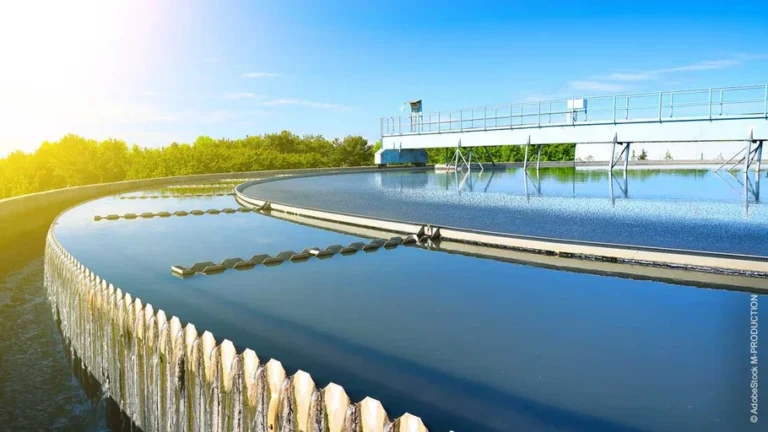
Municipal water is generally treated before it reaches your home or business, but that doesn’t mean everyone will love its taste or how it behaves in the plumbing.
Chlorine or chloramine may be used for disinfection, while naturally occurring minerals can still affect hardness. Older plumbing can introduce additional concerns in some properties.
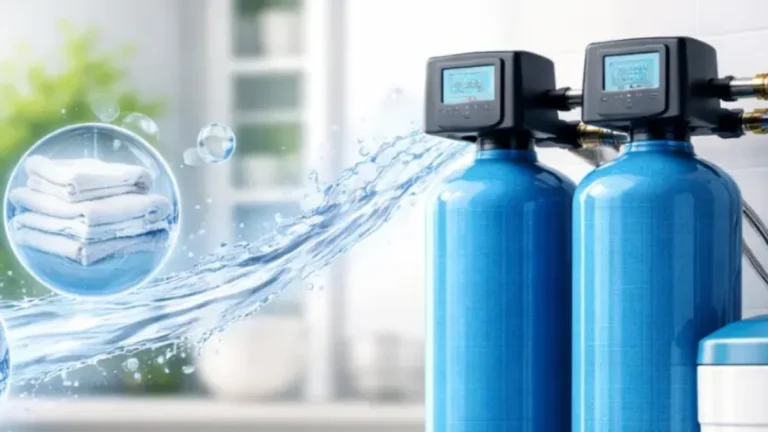
For homeowners who want to improve the overall feel and taste of municipal water, city water refining solutions can provide a practical option. Depending on the system, treatment may focus on chlorine reduction, taste and odor improvement, sediment filtration, scale control, or other specific water-quality characteristics.
The important thing is to identify the concern first. If the main complaint is chlorine taste, for example, a system designed primarily for hardness may not solve the problem.
Why Water Testing Still Matters With Municipal Water
It’s easy to assume city water is identical everywhere. It isn’t.
Water sources, treatment practices, infrastructure, and local conditions can vary considerably. Even within the same general area, the condition of a building’s plumbing can influence the water coming from an individual tap.
A water assessment can help establish what you’re actually dealing with. That makes it easier to select equipment based on measurable needs instead of assumptions.
For many households, this also prevents over-treatment. There’s little benefit in installing technology for a problem that isn’t present.
Well Water Can Be a Different Story
Private wells give property owners more control over their water supply, but that control comes with responsibility. Well water chemistry can vary significantly depending on local geology, groundwater conditions, and the construction of the well.
Hardness is a common concern, but it may not be the only one. Well water can sometimes contain iron, manganese, sediment, sulfur-related odors, or microbiological concerns.
This is where well water softening solutions may become part of a broader treatment plan. A softener can address calcium and magnesium hardness, but it shouldn’t automatically be considered a complete well-water treatment system.
If testing identifies iron, bacteria, sediment, or other concerns, additional treatment may be needed. In some cases, multiple technologies work together, with each component handling a particular part of the water-quality challenge.
Soft Water Can Make Household Maintenance Easier
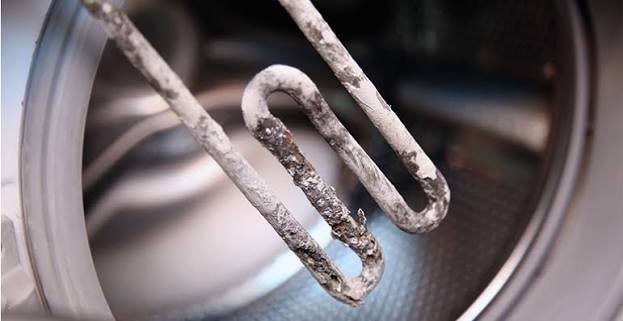
When hardness minerals are reduced, homeowners may notice fewer mineral deposits around faucets, showerheads, and appliances. Soap can lather more readily, and cleaning may become less frustrating.
Water heaters and other equipment can also benefit from reduced scale formation, although appliance performance depends on many factors beyond water hardness.
The key is to choose equipment with enough capacity for the property. A system that’s too small may struggle during periods of heavy water use, while an oversized system may add unnecessary expense.
Commercial Properties Have Bigger Demands
A restaurant, hotel, apartment complex, office building, laundry facility, or other commercial property can use far more water than a typical household.
That changes the treatment equation.
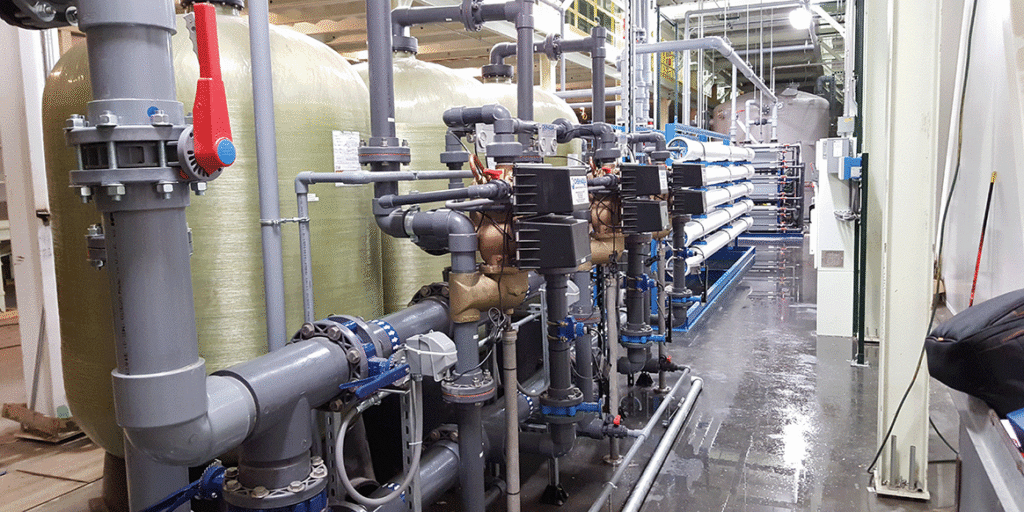
Flow rates, peak demand, operating hours, equipment requirements, available installation space, and maintenance schedules all become important considerations. A system that works well for a family home may not have the capacity or configuration needed for a busy commercial operation.
Reliable commercial water softening solutions are designed around those higher demands. Proper sizing is particularly important because commercial water use can fluctuate throughout the day.
A restaurant, for example, may experience heavy demand during meal preparation and service. A hotel can have significant morning and evening peaks. The treatment system needs to keep up without becoming a bottleneck.
Protecting Commercial Equipment
Hard water can create scale inside commercial water-using equipment, including boilers, water heaters, dishwashing systems, and other appliances.
Over time, mineral buildup can contribute to maintenance problems and reduced equipment efficiency. While water softening doesn’t eliminate every possible cause of equipment trouble, controlling hardness can be an important part of a commercial maintenance strategy.
For businesses, the financial impact matters. Unexpected equipment downtime can affect staff, customers, schedules, and revenue. Preventive water treatment may therefore be worth considering as part of a broader facilities-management plan.
One Size Definitely Does Not Fit All
The biggest mistake is treating city water, well water, and commercial water as if they all require the same solution.
Municipal water may benefit from refining or filtration focused on taste, odor, chlorine, or specific minerals. Well water may require softening combined with treatment for other contaminants. Commercial properties need systems designed around higher flow rates and operational demands.
Testing and professional assessment bring these differences into focus.
Choose Treatment With the Long Term in Mind
The right water treatment system should do more than solve today’s complaint. It should be practical to maintain, appropriately sized, and suitable for the way the property uses water.
Ask about filter replacement, regeneration requirements, service schedules, warranties, operating costs, and repair support before making a decision. These details can matter just as much as the initial equipment price.
Whether your water comes from a municipal supply, a private well, or a commercial distribution system, the smartest approach is surprisingly straightforward: test the water, understand the problem, and select technology designed for that specific situation.
Good water treatment isn’t about treating water simply because you can. It’s about treating it because there’s a clear reason — and doing it in a way that works for your property for years to come.