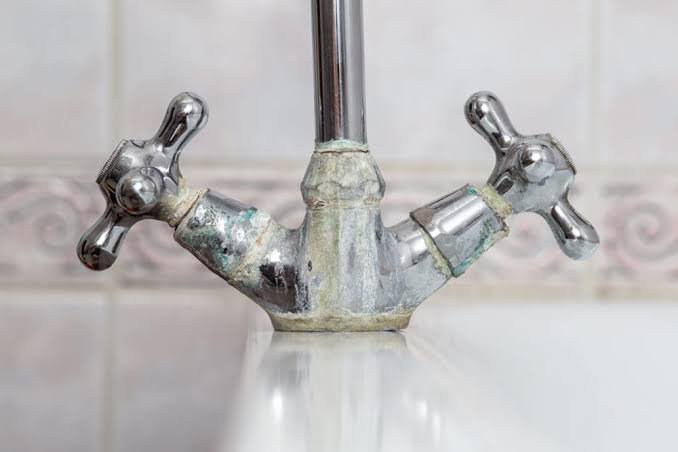
There’s a moment most homeowners recognize: the faucet starts looking dull, the showerhead doesn’t spray quite like it used to, and the kettle seems to collect a chalky film overnight. None of these problems usually appear out of nowhere. In many homes, they’re early signs that the water carries a high concentration of minerals.
Hard water isn’t necessarily dangerous to drink, but it can be surprisingly tough on plumbing, appliances, fixtures, and even your cleaning routine. Over time, dissolved calcium and magnesium can settle onto surfaces and inside pipes, creating problems that are easy to overlook until repairs become expensive.
Understanding what causes these deposits — and what you can do about them — can save both money and frustration.
What Causes Hard Water Problems?
Water naturally picks up minerals as it moves through soil and rock. Calcium and magnesium are the two main minerals associated with water hardness. Groundwater, in particular, can contain significant amounts because it spends so much time underground in contact with mineral-rich formations.
When hard water flows through your plumbing, those minerals generally stay dissolved. But changes in temperature, pressure, or water chemistry can cause some of them to come out of solution and cling to surfaces.
That’s where scale buildup becomes a problem.
You may notice it first around faucets, shower doors, sinks, and appliances that heat water. The familiar white or cloudy residue isn’t just a cosmetic nuisance. Similar material can accumulate inside pipes, water heaters, dishwashers, washing machines, and other equipment.
The longer it remains untreated, the more difficult it can become to remove.
How Mineral Deposits Affect Pipes
Your plumbing system depends on reasonably clear pathways for water to move through the house. When deposits accumulate inside pipes, that pathway can gradually become narrower.
Think of it like cholesterol in an artery — not an exact scientific comparison, but a useful way to picture what’s happening. The pipe may still work, but the available space for water movement gets smaller.
This can contribute to reduced water pressure, especially in older plumbing systems. A shower that once had plenty of force may start feeling weak. Faucets can take longer to deliver water, and fixtures may develop inconsistent flow.
In severe cases, deposits can also contribute to blockages and increase stress on plumbing components.
The issue isn’t always dramatic. Sometimes it’s simply years of gradual buildup that quietly reduces the efficiency of the system.
Why Water Heaters Often Take the Biggest Hit
Water heaters are particularly vulnerable because heat encourages minerals to separate from the water and settle on surfaces.
Over time, mineral deposits can collect at the bottom of a traditional tank-style water heater. That layer acts somewhat like insulation between the burner or heating element and the water. The system then has to work harder and longer to heat the same amount of water.
You might notice higher energy use, slower heating, or unusual popping and rumbling sounds coming from the tank.
It’s one reason regular water heater maintenance matters. Flushing the tank can help remove accumulated sediment, although the best approach depends on the equipment, its age, and the severity of the buildup.
If a water heater has been neglected for years, professional inspection is often the smarter choice than attempting aggressive cleaning yourself.
The Hidden Cost of Hard Water
Hard water can affect more than plumbing.
Dishwashers, coffee makers, humidifiers, washing machines, and other water-using appliances can all experience mineral accumulation. Small deposits inside valves, heating elements, and internal components may reduce efficiency or shorten equipment life.
There’s also the everyday cleaning headache.
Soap and shampoo don’t always behave well in hard water. You may use more detergent and still feel that clothes or dishes aren’t as clean as expected. Bathrooms can require frequent scrubbing because mineral residue quickly returns to faucets, shower walls, and glass.
It can feel like you’ve just cleaned something and, somehow, it’s already dirty again. That gets old.
Reducing water hardness can make routine cleaning easier while helping protect the equipment you rely on every day.
Signs Your Home May Have Hard Water
You don’t always need sophisticated equipment to suspect a hard-water problem. A few common signs include:
- White residue around faucets and fixtures
- Cloudy spots on shower doors or glassware
- Reduced water pressure
- Frequent replacement of showerheads or aerators
- Dry-feeling skin or hair after bathing
- Soap that doesn’t lather easily
- Mineral residue inside kettles or coffee makers
- Unusual sounds from a water heater
- Appliances that seem less efficient than they once were
Of course, these symptoms can have other causes too. A water test is the best way to determine what’s actually in your supply.
Can a Water Softener Help?
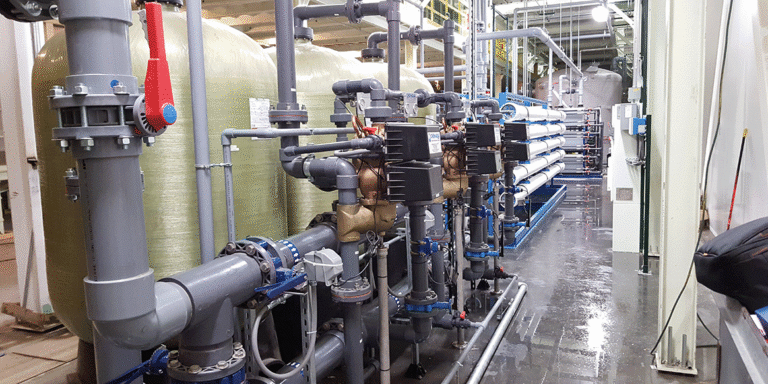
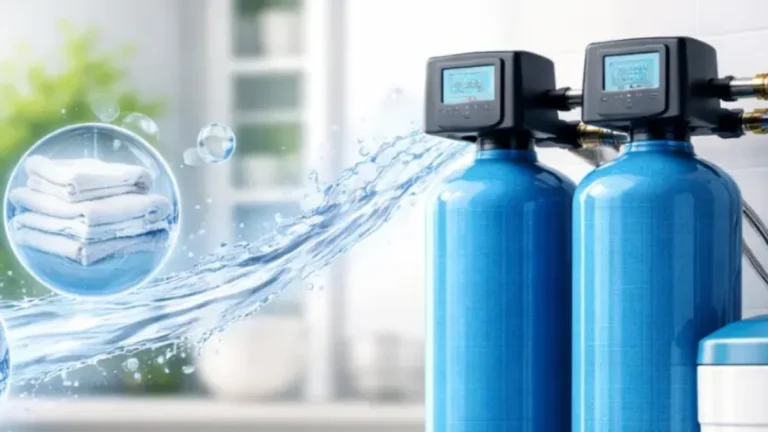
For homes dealing with genuinely hard water, a water softener can be an effective solution. These systems are designed to reduce calcium and magnesium levels before the water travels throughout the home.
The result is soft water, which can help reduce the conditions that lead to mineral accumulation in plumbing and appliances.
That doesn’t mean every household needs a softener. Water chemistry varies from one location to another, and some homes may benefit more from filtration or another treatment method.
A professional water analysis can help identify the actual problem rather than encouraging you to buy equipment based on guesswork. Testing can reveal hardness levels as well as other concerns, such as iron, sediment, chlorine, or specific contaminants.
That information makes it much easier to choose the right treatment approach.
Prevention Is Usually Easier Than Repair
One of the frustrating things about plumbing problems is that they often become noticeable after the damage has been developing for a long time.
Routine maintenance can make a meaningful difference. Clean faucet aerators, inspect fixtures, flush water heaters when appropriate, and pay attention to changes in pressure or water flow.
If deposits repeatedly return, though, cleaning alone may only treat the symptom.
Addressing the water chemistry at its source can be a more practical long-term strategy. Depending on the situation, that might involve a water softener, filtration system, descaling equipment, or a combination of treatments.
The right choice depends on the water, the plumbing, and the household — not simply on how hard the water looks on a bathroom faucet.
A Small Water Problem Can Become a Big Plumbing Expense
Hard water usually doesn’t announce itself with a dramatic plumbing failure. It works slowly. A little residue becomes a thicker layer. A slightly weaker flow becomes a noticeable pressure problem. An appliance that works perfectly for years gradually becomes less efficient.
That’s why paying attention to the small signs matters.
If you’re seeing recurring deposits, struggling with low water pressure, or replacing water-using appliances more often than expected, consider having your water professionally tested. Knowing what’s actually in the water gives you a much clearer path forward.
Good plumbing maintenance isn’t only about fixing leaks when they happen. It’s also about preventing avoidable wear in the first place. And when your water is putting extra stress on the system every day, dealing with the cause can be far easier — and cheaper — than waiting for the consequences.