
Every Business Depends on Water More Than It Realizes
Water has a funny way of staying invisible until something goes wrong. A coffee shop notices drinks don’t taste quite the same anymore. A hotel starts replacing water heaters sooner than expected. A manufacturing facility loses valuable production time because scale has clogged another piece of equipment. None of these problems appear overnight, yet they quietly drain time, money, and productivity.
For many businesses, water isn’t just another utility bill—it’s part of the daily operation. It influences customer experience, employee comfort, machinery performance, cleaning efficiency, and even long-term operating costs. Despite that, water quality often receives far less attention than it deserves.
As companies continue looking for ways to improve efficiency without sacrificing quality, investing in smarter water treatment has become less of a luxury and more of a practical business decision.
Water Quality Affects More Than Drinking Water
When people hear “water treatment,” they usually think about making drinking water taste better. That’s certainly one benefit, but commercial water systems do much more than that.
Every gallon of water moving through a building interacts with pipes, fixtures, appliances, heating systems, dishwashers, cooling towers, coffee machines, and production equipment. If that water contains excessive minerals, chlorine, sediment, or other contaminants, the effects slowly begin to show.
Some signs are obvious, like cloudy glassware or unpleasant-tasting beverages. Others remain hidden for months or even years, quietly increasing maintenance costs while reducing equipment efficiency.
That’s why businesses are beginning to view water quality as part of their overall operational strategy rather than just another maintenance issue.
The Right Water System Supports Daily Operations
Every business uses water differently.
A restaurant depends on clean water for food preparation and spotless dishes. Healthcare facilities require dependable water quality for sanitation. Hotels need reliable systems for guest comfort, laundry services, and kitchens. Manufacturing plants often rely on precise water conditions to maintain product consistency.
Because every industry has unique requirements, there’s rarely a one-size-fits-all approach.
Modern business water solutions are designed around specific operational needs rather than generic treatment methods. Instead of installing unnecessary equipment, companies can choose systems that directly address their water conditions and daily usage patterns.
This customized approach usually delivers better performance while avoiding unnecessary expenses.
Hard Water Is Quietly Expensive
Hard water remains one of the most common commercial water challenges, especially in areas with naturally high mineral content.
Calcium and magnesium gradually accumulate inside plumbing systems, boilers, water heaters, commercial appliances, and industrial machinery. At first, the buildup seems harmless. Over time, however, it restricts water flow, lowers heating efficiency, and forces equipment to work much harder than intended.
Businesses often notice the consequences before realizing the cause. Rising energy bills, frequent repairs, inconsistent performance, and shorter equipment life can all be traced back to untreated hard water.
Addressing hardness early often prevents far larger expenses later.
Protecting Valuable Equipment Pays Off
Commercial equipment represents a significant investment, whether it’s an espresso machine, commercial dishwasher, steam boiler, cooling system, or manufacturing line.
Replacing those assets isn’t cheap.
That’s why many companies now prioritize equipment protection as part of their maintenance strategy. Clean, properly treated water helps reduce scale buildup, corrosion, and sediment accumulation that slowly damages internal components.
The result is equipment that operates more efficiently, experiences fewer unexpected breakdowns, and lasts considerably longer.
Maintenance teams also spend less time responding to preventable water-related issues, allowing them to focus on higher-value tasks throughout the facility.
Cleaner Water Creates Better Customer Experiences
Customers may never compliment a restaurant because its water treatment system works perfectly.
But they’ll absolutely notice the opposite.
Water affects countless details that shape first impressions. Better-tasting beverages, crystal-clear ice cubes, cleaner dishes, brighter linens, softer laundry, and spotless restroom fixtures all contribute to a more professional experience.
These details seem small individually, yet together they create an atmosphere that customers remember.
Businesses that consistently deliver quality often understand that excellence isn’t built from one dramatic improvement. It’s the accumulation of dozens of thoughtful decisions, and water quality happens to be one of them.
Filtration Has Evolved Far Beyond Basic Filters
Years ago, commercial water treatment often meant installing a simple sediment filter and replacing cartridges occasionally.
Today’s technology offers far more sophisticated options.
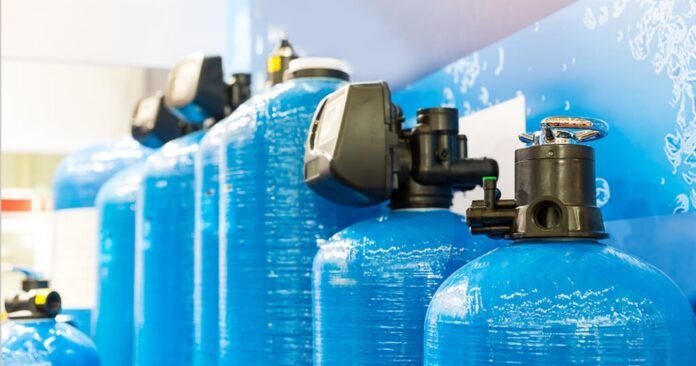
Advanced filtration systems can target specific contaminants, improve taste and odor, reduce chlorine, capture fine particles, minimize dissolved impurities, and support specialized commercial applications. Many businesses combine multiple treatment methods to create water tailored to their exact operational requirements.
Restaurants may prioritize beverage quality.
Manufacturing facilities might focus on mineral reduction.
Medical environments often require highly purified water.
Rather than applying the same solution everywhere, modern systems provide flexibility that aligns with real business needs.
Long-Term Savings Often Outweigh Initial Costs
Business owners naturally evaluate any investment by asking one question: Will it save money?
In many cases, improved water treatment delivers value through several different channels at once.
Lower energy consumption.
Reduced equipment maintenance.
Longer appliance lifespan.
Fewer plumbing repairs.
Less downtime.
Lower spending on cleaning chemicals.
Improved operational consistency.
While each individual saving may appear modest, together they often produce meaningful reductions in operating expenses year after year.
Instead of reacting to recurring problems, businesses gain the ability to prevent them before they become expensive disruptions.
Planning for Growth Starts Behind the Scenes
Successful businesses rarely stay the same size forever.
As companies expand, water demand often increases alongside production, staffing, customer traffic, or facility size. Choosing scalable water treatment systems today can eliminate costly replacements later.
Modular equipment allows businesses to increase capacity as operations grow, making expansion smoother and less disruptive. Planning ahead also reduces the risk of existing systems becoming bottlenecks just when business is gaining momentum.
It’s one of those decisions that doesn’t always grab attention, but it quietly supports long-term success.
Final Thoughts
Water flows through nearly every commercial building, yet its impact extends far beyond the plumbing. It influences operational efficiency, maintenance budgets, customer satisfaction, equipment reliability, and even employee comfort.
Businesses that invest in better water treatment aren’t simply purchasing another utility upgrade. They’re creating a stronger operational foundation that supports everyday performance while reducing long-term costs.
The most effective improvements are often the ones customers never notice directly—but they certainly notice the results. Cleaner facilities, more reliable equipment, consistent product quality, and fewer interruptions all begin with something surprisingly simple: better water.
In the end, smart water management isn’t just about solving today’s problems. It’s about building a business that’s prepared to operate more efficiently for years to come.

