Most people don’t spend much time thinking about their water filtration system, especially when it’s working perfectly. It sits quietly beneath the kitchen sink or somewhere near the main water supply, doing its job without demanding much attention. Then one morning, the water pressure drops, the taste seems different, or a small puddle appears beneath the equipment.
Suddenly, that forgotten system becomes a priority.
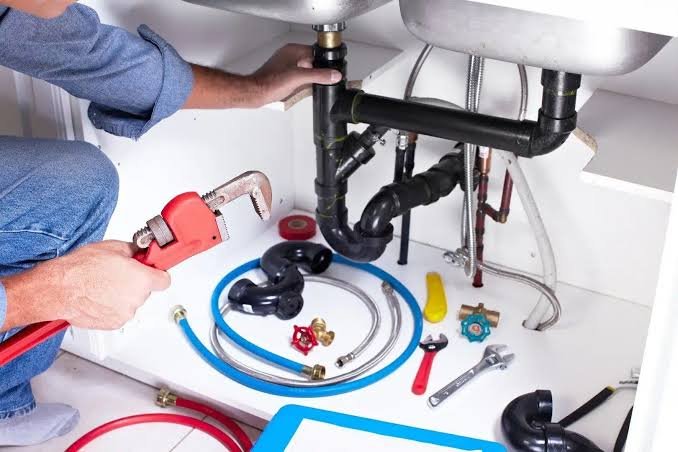
Maintaining water treatment equipment isn’t particularly difficult, but it does require consistency. Understanding when to replace components, recognise problems, and seek professional assistance can help protect your investment while keeping your household water supply dependable.
Why Preventive Maintenance Is Better Than Emergency Repairs
Water filtration equipment deals with sediment, dissolved substances, and other impurities regularly. Over time, these materials can affect the performance of filters and other internal components.
Investing in scheduled water filtration maintenance helps address developing problems before they become disruptive. Routine inspections, water quality assessments, and timely component replacements can support consistent system performance.
Think about how inconvenient it would be to discover a filtration problem just before hosting family for the weekend. Nobody wants to spend their Friday evening searching for replacement cartridges or arranging emergency plumbing assistance.
A sensible maintenance schedule reduces the chances of these situations occurring. It also gives homeowners a clearer understanding of their equipment’s condition, rather than leaving everything to chance.
Recognising When Your Water System Needs Attention
Water treatment equipment doesn’t always stop working without warning. In many cases, there are small changes that suggest something isn’t quite right.
Reduced water pressure is a common example. If your filtered water faucet takes noticeably longer to fill a glass, a clogged cartridge could be responsible. However, pressure problems elsewhere in the plumbing system might produce similar symptoms.
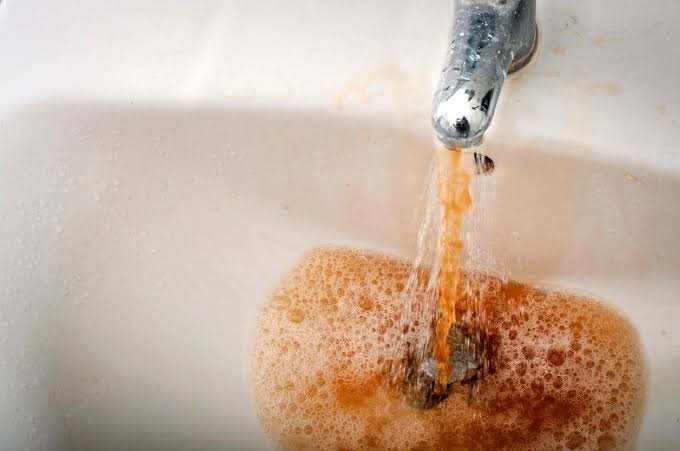
Other warning signs include unusual odors, unexpected operating noises, visible leaks, and changes in water appearance.
Effective water treatment system troubleshooting involves identifying the underlying cause rather than immediately replacing components. Checking maintenance records, reviewing equipment settings, and examining accessible connections according to the manufacturer’s instructions can provide useful clues.
More complicated problems may require professional assessment, particularly when electrical components or pressurised equipment are involved.
Understanding When Filters and Membranes Need Replacing
Every filtration component has a limited working life. Sediment cartridges gradually collect particles, activated carbon loses its capacity to adsorb certain substances, and reverse osmosis membranes may experience declining performance.
Unfortunately, these changes aren’t always obvious. Water can continue looking clear and tasting pleasant even when particular treatment capabilities have diminished.
Professional filter and membrane replacement services can help homeowners maintain their equipment using compatible components and appropriate servicing procedures.
Replacement intervals depend on several factors, including water consumption, incoming water quality, equipment design, and manufacturer recommendations.
A household with five family members may exhaust certain filters more quickly than someone living alone. Similarly, properties with high sediment concentrations might require more frequent cartridge changes.
Following a schedule suited to your specific equipment is usually more reliable than relying on general advice.
The Hidden Expenses of Neglected Filtration Equipment
Skipping a maintenance appointment might seem like an easy way to save money. In reality, that decision can sometimes create additional expenses further down the road.
Clogged preliminary filters may restrict water flow and affect downstream treatment components. In reverse osmosis systems, neglected pretreatment can contribute to premature membrane deterioration.
Replacing a damaged membrane is often considerably more expensive than changing a standard sediment cartridge.
There are other costs to think about, too. Emergency service appointments, unexpected equipment replacements, and temporary reliance on bottled water can quickly become inconvenient.
While regular servicing involves some expense, it may help reduce avoidable repairs and extend the useful life of certain components.
It’s worth considering the long-term picture rather than focusing solely on today’s maintenance bill.
Why Water Testing Still Matters After Installation
Installing a filtration system doesn’t mean your water quality will remain unchanged indefinitely. Water sources can experience fluctuations due to environmental conditions, infrastructure changes, or developments within household plumbing.
Private well owners, in particular, should pay attention to periodic laboratory testing. Groundwater conditions may change without producing noticeable differences in taste, smell, or appearance.
Testing treated water can also help determine whether existing equipment continues meeting its intended performance requirements.
If results reveal an unexpected issue, further assessment might identify whether the problem involves exhausted filtration media, changing source water conditions, or equipment that needs upgrading.
Reliable information makes maintenance decisions considerably easier.
Creating a Maintenance Routine You Can Actually Follow
There’s no need to make filtration maintenance another complicated household responsibility. Keeping things simple often works best.
Record cartridge installation dates, save the equipment manual, and set calendar reminders for recommended servicing intervals. Keeping the system’s model number handy can also make purchasing compatible replacement components less frustrating.
Occasionally, inspect the surrounding area for visible leaks or unusual changes in equipment operation.
If you manage a commercial property, maintaining service records and assigning clear maintenance responsibilities can be particularly helpful.
The goal is to establish habits that fit naturally into your existing routine. Maintenance shouldn’t feel like a full-time job.
Reliable Water Begins With Looking After Your Equipment
A good water filtration system can offer years of practical benefits, but it needs appropriate care along the way.
Timely replacements, thoughtful troubleshooting, and occasional professional servicing can help keep equipment performing as intended.
You don’t have to wait until something goes wrong before giving your system attention. Sometimes, the smartest approach is simply staying a step ahead.
After all, dependable water quality contributes to countless everyday comforts. Looking after the equipment responsible for it is a modest investment of time and effort that can make a lasting difference.