Water is one of those everyday essentials that quietly keeps life moving. It brews the first cup of coffee in the morning, keeps showers warm, washes dishes after dinner, and helps businesses operate without interruption. Because it’s always there, most of us rarely stop to think about it until something changes.
Maybe the water starts tasting different. Mineral stains appear around faucets. Appliances don’t seem to last as long as they should, or plumbing repairs become more frequent than expected.
These problems often seem unrelated, but they usually share one thing in common: water quality.
The truth is, there isn’t one universal solution that works for every home or business. Every property has its own water conditions, usage patterns, and priorities. Understanding those differences is the first step toward creating cleaner, more reliable water for everyday life.
Water Is Never Exactly the Same Everywhere
It’s easy to assume everyone in the same city receives identical water, but reality is much more complicated.
Water changes as it travels through municipal systems, underground plumbing, private wells, and aging infrastructure. Seasonal weather, local geology, household plumbing materials, and even neighborhood construction projects can influence water quality.
That’s why two homes only a few blocks apart may experience very different issues.
One family may struggle with hard water buildup while another notices chlorine taste or sediment. A nearby business may deal with mineral scaling inside expensive equipment simply because its daily water demand is much higher.
Water isn’t one-size-fits-all, and treatment shouldn’t be either.
Small Problems Often Grow Quietly
Most water quality issues don’t begin with dramatic warning signs.
Instead, they develop slowly.
Soap becomes harder to rinse away. White residue appears on shower doors. Coffee tastes a little different than expected. Dishwashers leave cloudy glasses behind, and water heaters gradually lose efficiency.
These changes often happen so gradually that homeowners simply adapt to them.
Unfortunately, appliances don’t adapt the same way.
Mineral buildup, sediment accumulation, and poor water conditions continue affecting plumbing systems long after people stop noticing the symptoms.
Understanding Your Property’s unique water challenges
Every property faces its own unique water challenges , and identifying them correctly is one of the most important steps before choosing any treatment system.
For some homes, excessive hardness creates scale buildup throughout the plumbing. Others deal with chlorine odor, sediment, iron, sulfur, or naturally occurring minerals. Commercial facilities often face additional concerns because larger volumes of water move through equipment every day.
Without testing, these issues can easily be misunderstood.
Accurate water analysis replaces assumptions with facts, making it possible to choose treatment systems that solve the real problem instead of simply masking symptoms.
That personalized approach usually saves both time and money.
Better Water Improves Daily Living
People naturally think about drinking water first, but water quality affects nearly every room in the house.
It influences showers, laundry, dishwashing, cooking, cleaning, water heaters, refrigerators, coffee makers, and countless other daily routines.
Cleaner water often means softer laundry, brighter fixtures, improved soap performance, and appliances that continue working efficiently for years.
Even something as simple as making tea or brewing coffee can become noticeably more enjoyable when unwanted minerals or chlorine are reduced.
The improvements may seem small individually, but together they create a home that’s easier to maintain and more comfortable to live in.
Why residential water treatment Should Never Be Generic
No two households use water exactly the same way.
A family of six naturally has different water demands than a retired couple. Homes supplied by municipal systems require different treatment strategies than private wells. Older plumbing may introduce concerns that newer homes never experience.
That’s why residential water treatment works best when it’s customized rather than standardized.
Professional evaluations consider water quality, plumbing configuration, household size, appliance usage, and homeowner priorities before recommending any equipment.
Sometimes a water softener provides the greatest benefit.
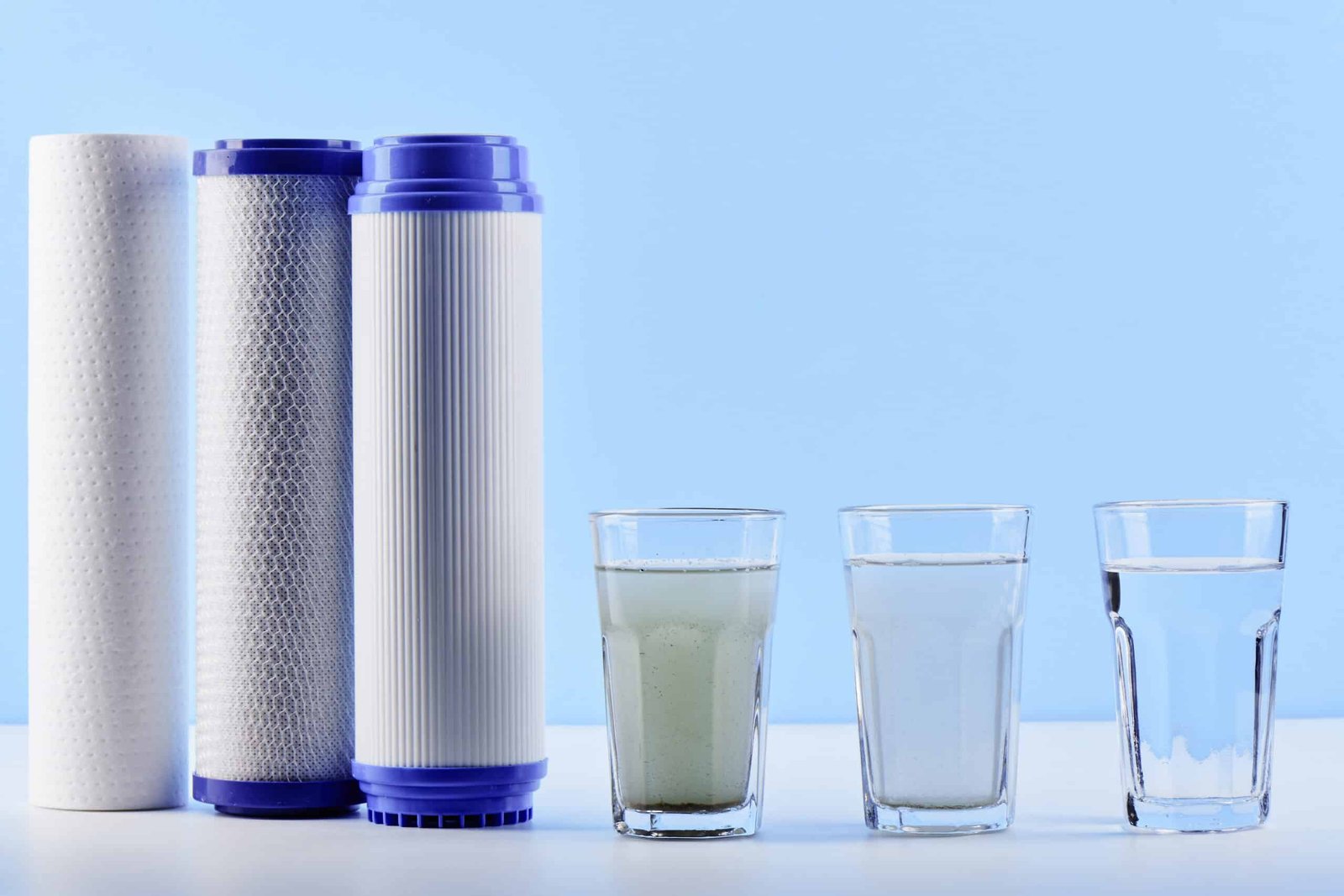
Other homes may need whole-house filtration, reverse osmosis, or a combination of technologies designed around their specific water conditions.
The goal isn’t to install more equipment.
It’s to install the right equipment.
Businesses Face a Different Set of Demands
Commercial properties depend on water in ways that many homeowners never have to consider.
Restaurants need consistent water quality for beverages, food preparation, dishwashing, and ice production. Hotels rely on clean water for guest comfort and laundry operations. Manufacturing facilities often require water that protects machinery and supports production efficiency.
Because water demand is significantly higher, even relatively small water quality issues can create expensive maintenance problems over time.
Mineral scale reduces equipment efficiency. Sediment increases wear on plumbing systems. Poor water quality may even influence customer satisfaction in hospitality and food service environments.
Why commercial water treatment Is an Investment, Not an Expense
For many organizations, commercial water treatment is about much more than improving water itself.
It’s about protecting valuable equipment, reducing maintenance costs, improving operational efficiency, and delivering a better experience for employees and customers alike.
Properly designed systems help extend the lifespan of boilers, dishwashers, water heaters, cooling systems, and countless other pieces of commercial equipment.
Over time, fewer repairs and improved efficiency often offset much of the initial investment.
Reliable water also supports consistent daily operations, which is something every business owner appreciates.
Professional Testing Makes Every Decision Easier
One of the most common mistakes people make is purchasing treatment equipment before understanding their water.
It’s understandable.
Advertisements promise cleaner water, softer water, healthier water—but without testing, it’s impossible to know which solution actually fits your property.
Professional evaluations identify hardness, chlorine levels, sediment, dissolved minerals, pH balance, and other characteristics that influence both comfort and system performance.
Once you understand the water, choosing the right treatment becomes much simpler.
Instead of relying on guesswork, decisions are based on facts.
Better Water Starts with Better Understanding
At the end of the day, improving water quality isn’t really about filters, softeners, or treatment equipment.
It’s about understanding.
Every property has different water conditions, different plumbing systems, and different priorities. Recognizing those differences allows homeowners and businesses to choose solutions that genuinely improve everyday life instead of settling for generic fixes.
Whether you’re protecting your family’s comfort at home or keeping a business running efficiently, reliable water quietly supports almost everything you do. Taking the time to understand it today can lead to cleaner water, healthier plumbing, lower maintenance costs, and greater peace of mind for years to come.
Sometimes the smartest improvement isn’t the one everyone can see—it’s the one flowing through every faucet, every single day.