There’s something easy to overlook about water. It’s always there. You turn on the tap, fill a glass, start the coffee maker, rinse vegetables, and move on with your day without giving it much thought. Most of us assume that if water is clear, it’s probably fine. But clarity doesn’t always tell the whole story.
Municipal water systems do an important job, yet the journey from the treatment facility to your kitchen faucet can introduce issues that affect taste, odor, and overall quality. Aging pipes, disinfectants, minerals, and other contaminants may all influence the water that eventually reaches your home. That’s why more homeowners are paying attention to what comes out of the tap—not because they’re chasing perfection, but because they want greater confidence in something they use every single day.
Water Quality Isn’t the Same Everywhere
Even within the same city, water quality can vary from one neighborhood to another. Pipe materials, infrastructure age, and local water sources all play a role. Some homes deal with strong chlorine smells, while others notice hard water stains or an unusual aftertaste.
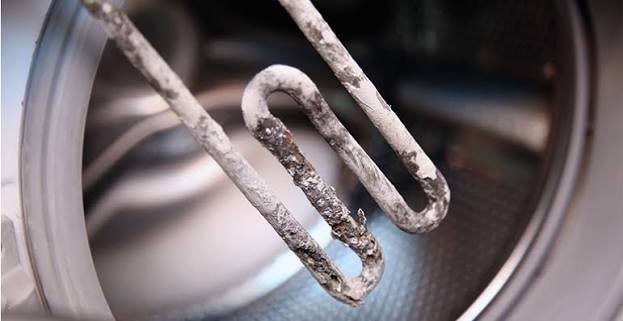
These differences don’t always indicate unsafe water, but they can affect your daily experience. A glass of water that smells like a swimming pool isn’t exactly inviting, and nobody enjoys scrubbing stubborn mineral deposits from faucets every weekend.
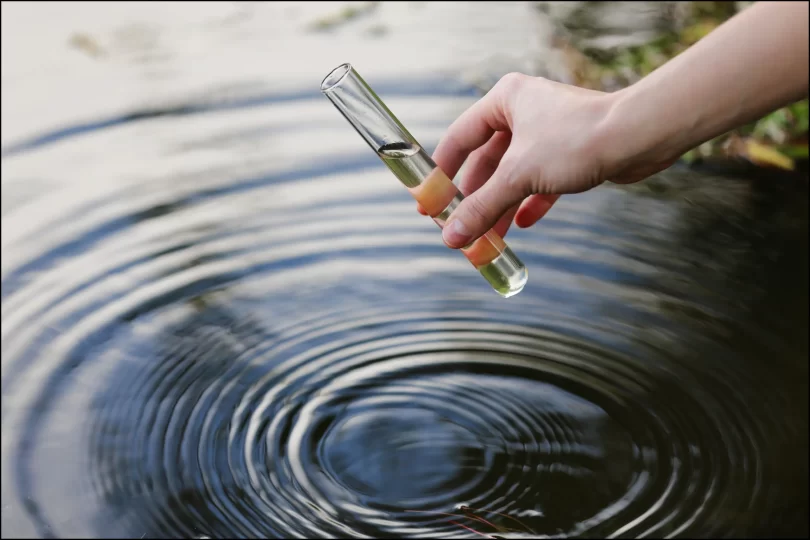
Understanding what’s actually in your water is the first step toward making informed decisions rather than relying on assumptions.
Why Taste and Odor Matter More Than You Think
Many people start looking into filtration simply because they dislike the taste of their tap water. That’s understandable. If water tastes better, you’re naturally more likely to drink enough of it throughout the day.
Chlorine, while useful for disinfecting municipal water, often leaves behind a noticeable smell or flavor. Sediment, organic compounds, and trace minerals can also contribute to unpleasant characteristics.
Modern filtration systems are designed to reduce chlorine and impurities that affect taste and smell, making water noticeably fresher without changing your daily routine. Sometimes the difference is immediate—the kind that makes you pause after the first sip and wonder why you waited so long.
Better Water Makes Everyday Life Easier
The benefits of cleaner water extend well beyond drinking glasses.
Think about morning coffee. High-quality beans can only do so much if they’re brewed with water that has an off taste. Tea becomes clearer, soups taste cleaner, and even homemade bread can benefit from better water quality.
Then there are the little things you don’t immediately notice. Ice cubes become clearer. Fresh produce rinses more cleanly. Pet water bowls stay fresher. Even watering delicate indoor plants can feel like less of a gamble when you know what’s in the water.
These aren’t dramatic lifestyle changes. They’re simply small improvements that quietly add up over time.
The Value of Reliable Filtered Drinking Water
Families often spend a surprising amount on bottled water without realizing it. A few cases every week eventually become hundreds—or even thousands—of dollars over the course of a year.
Having filtered drinking water available directly from the tap changes that equation. There’s no need to remember grocery store runs, carry heavy bottles inside, or figure out where to recycle all that plastic.
It also encourages healthier habits. When clean, refreshing water is always within reach, people naturally reach for it more often instead of sugary beverages. Kids tend to refill reusable bottles more willingly, and guests appreciate the difference too.
Convenience isn’t everything, but it certainly helps make healthy choices easier.
Choosing the Right Filtration System
Not every home needs the same solution. That’s one reason why water treatment shouldn’t be approached with a one-size-fits-all mindset.
Some households only need a simple under-sink drinking water filter. Others may benefit from whole-house systems that improve water quality at every faucet and appliance.
The right choice depends on factors such as:
- Local water conditions
- Household size
- Water usage habits
- Existing plumbing
- Specific water quality concerns
Testing your water before purchasing equipment often leads to better long-term results than simply choosing the most expensive system on the market.
Technology Has Come a Long Way
Home water filtration has improved dramatically over the past decade. Today’s systems are more efficient, easier to maintain, and capable of targeting specific contaminants without unnecessarily wasting water.
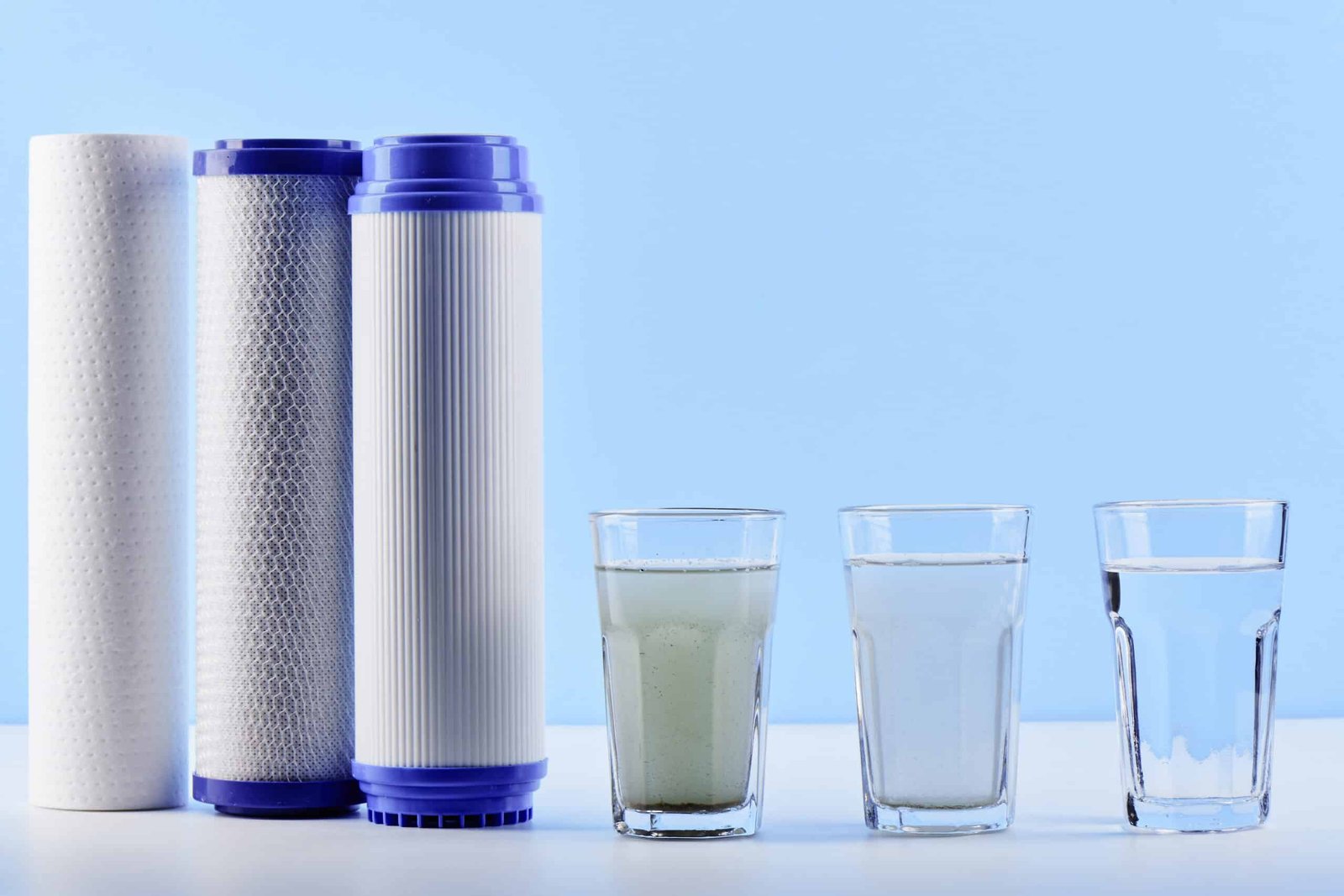
Many homeowners now choose systems that combine sediment filters, activated carbon, and advanced filtration technologies to create multiple layers of protection. Each stage serves a different purpose, helping improve overall water quality while preserving the minerals that many people prefer to keep.
Maintenance has become simpler as well. Filter replacement schedules are easier to follow, and many systems include indicators that let homeowners know when it’s time for service.
Looking Beyond Drinking Water
It’s easy to think of filtration only in terms of what’s inside your glass, but water affects nearly every room in the house.
Cleaner water can help reduce soap scum buildup in bathrooms, improve laundry results, and lessen mineral deposits on fixtures. Appliances like coffee makers, dishwashers, and ice machines may also benefit from cleaner incoming water, potentially helping them operate more efficiently over time.
Even showers can feel different. While every situation is unique, many people notice softer-feeling water and fewer lingering odors after improving overall household water quality.
None of these changes happen overnight, yet together they create a home that’s simply more pleasant to live in.
A Small Upgrade That Lasts for Years
Home improvements often focus on what people can see—fresh paint, new flooring, stylish lighting, or updated kitchens. Water quality rarely gets the same attention because it stays hidden behind walls and pipes.
Ironically, it’s one of the few upgrades every member of the household experiences every single day.
Whether you’re filling a reusable bottle before work, cooking dinner, washing fresh fruit, or making coffee on a quiet Sunday morning, better water quietly supports those moments without asking for recognition.
In the end, investing in water quality isn’t really about chasing luxury. It’s about creating a healthier, more comfortable home where one of life’s most basic necessities feels just a little better every day. Sometimes the best home improvements aren’t the ones everyone notices immediately—they’re the ones that make ordinary routines feel easier, cleaner, and more enjoyable for years to come.