Water is one of those things we rarely notice when it’s working well. We expect it to be there when we turn on the faucet, start the washing machine, or enjoy a hot shower after a long day. But when water quality isn’t quite right, even the smallest daily routines can become frustrating. Glasses come out of the dishwasher looking cloudy, faucets collect stubborn white spots, and soap never seems to lather the way it should.
These are common experiences in areas with hard water, and while they’re easy to dismiss, they often signal a larger issue happening behind the scenes. Hard water doesn’t just affect appearance—it can quietly impact plumbing, appliances, and even household expenses over time.
Fortunately, today’s water treatment systems make it easier than ever to enjoy cleaner, softer water without adding unnecessary complexity to your home.
Understanding Why Hard Water Happens
Hard water forms naturally as groundwater travels through layers of limestone, chalk, and other mineral-rich rock. During that journey, the water absorbs calcium and magnesium before eventually reaching homes through municipal systems or private wells.
Those minerals aren’t necessarily harmful to drink, but they can create a surprising number of everyday inconveniences.
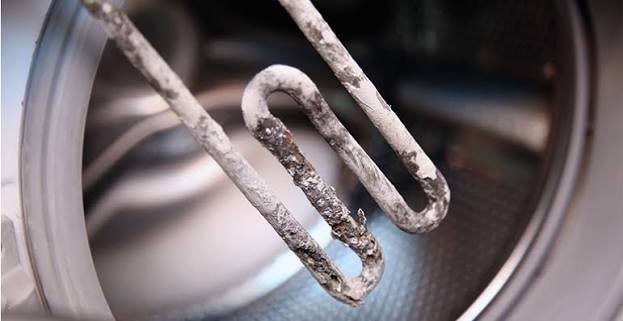
Over time, mineral deposits build inside pipes, water heaters, washing machines, dishwashers, and coffee makers. Soap becomes less effective, cleaning takes more effort, and appliances often lose efficiency because scale gradually accumulates inside important components.
The effects happen slowly, which is why many homeowners simply assume these issues are normal.
The Everyday Benefits of Softer Water
People often focus on drinking water when thinking about water quality, but soft water improves much more than what’s inside your glass.
Showers feel more refreshing because soap rinses away more easily. Laundry often comes out softer, brighter, and cleaner. Glassware sparkles with fewer water spots, and bathroom cleaning becomes less time-consuming because mineral residue is reduced.
One of the biggest advantages is maintaining a dependable soft water supply throughout the home. Instead of dealing with inconsistent water quality from one faucet to another, every room benefits from treated water, making daily routines noticeably easier.
It’s one of those improvements that quietly becomes part of everyday comfort.
Your Appliances Will Thank You
Household appliances rely on water every single day.
Water heaters warm dozens of gallons, washing machines complete countless cycles each year, and dishwashers constantly handle mineral-rich water. When hard water deposits accumulate inside these appliances, efficiency naturally begins to decline.
Heating elements work harder. Internal components wear faster. Energy consumption gradually increases without most homeowners even noticing.
Soft water helps reduce mineral buildup, allowing appliances to operate closer to their intended performance while potentially extending their lifespan.
Although the savings don’t happen overnight, they often become significant over the years.
Choosing the Right System Matters
Not all water softeners are built the same.
Household size, daily water usage, local hardness levels, and plumbing configuration all influence which system provides the best results. That’s why professional testing and proper sizing are so important before making a purchase.
Some homeowners need compact systems designed for smaller families, while larger households require equipment capable of handling constant demand without interruptions.
Matching the equipment to the home’s actual needs ensures better efficiency and fewer maintenance concerns later.
Continuous Performance Makes a Difference
One feature many homeowners don’t think about initially is what happens while a softener regenerates.
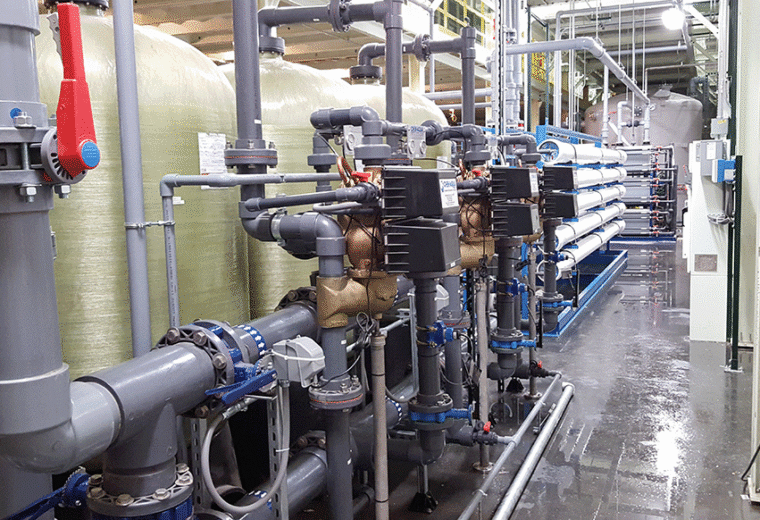
Traditional systems may temporarily stop producing softened water during regeneration cycles. More advanced equipment using a dual tank design can continue supplying treated water because one tank remains active while the other regenerates.
For busy households, that continuous operation provides added convenience, especially when multiple family members use water throughout the day.
It’s a practical feature that many people don’t fully appreciate until they’ve experienced the difference firsthand.
Large Families Often Need More Capacity
Every household uses water differently.
A retired couple may have relatively modest daily consumption, while families with children often run multiple showers, dishwashers, washing machines, and irrigation systems within the same day.
For high water use homes, selecting equipment with sufficient capacity becomes especially important. An undersized system may regenerate too frequently, reducing efficiency and increasing maintenance needs over time.
Choosing equipment that matches actual household demand ensures reliable performance without unnecessary strain on the system.
It’s always better to size a system thoughtfully than to discover later that it can’t keep up.
Testing Comes Before Every Good Decision
Before investing in any treatment equipment, understanding your home’s water should always be the first step.
Professional water testing identifies hardness levels, pH balance, chlorine content, iron, manganese, sediment, sulfur, and other naturally occurring minerals that influence water quality.
Without testing, homeowners sometimes purchase systems based on assumptions rather than actual water conditions.
Accurate information helps ensure the recommended equipment addresses real issues instead of simply guessing at the problem.
In many cases, testing saves both money and frustration.
Simple Maintenance Keeps Systems Working Well
Like any important household equipment, water softeners benefit from routine care.
Checking salt levels, replacing filters when needed, and scheduling occasional inspections help maintain consistent performance. Fortunately, maintenance is generally straightforward and doesn’t require much time.
Regular servicing also helps identify small issues before they become larger repairs, protecting the investment while extending the life of the equipment.
When maintained properly, quality systems often provide dependable service for many years.
Better Water Creates a Better Home
One of the most satisfying things about improving water quality is that the benefits quietly become part of everyday life.
Your morning coffee tastes cleaner. Towels feel softer after laundry day. Showers become more enjoyable, and cleaning the bathroom takes less effort because mineral deposits no longer build up as quickly.
None of these changes feel dramatic on their own. Instead, they work together to create a home that’s simply easier and more comfortable to live in.
Water influences nearly every daily routine, from preparing meals to washing clothes and caring for your family. Investing in the right softening system isn’t just about protecting plumbing or reducing mineral buildup—it’s about improving the quality of everyday living in subtle but meaningful ways.
When clean, soft water becomes something you never have to think about again, that’s often the clearest sign you’ve chosen the right solution.