There’s something easy to overlook about water. It’s always there—flowing from the kitchen tap, filling the shower, boiling for coffee, watering the garden. Because it’s such a constant part of daily life, most of us don’t stop to think about its quality until something feels off. Maybe the dishes come out cloudy, the soap refuses to lather, or your morning glass of water has an odd taste you can’t quite explain.
The truth is, water quality affects far more than convenience. It influences the lifespan of household appliances, the comfort of your skin, the taste of your food, and even the amount of time you spend cleaning. Once people experience consistently clean, balanced water, they often wonder how they managed without it.
Water Is Part of Every Moment at Home
Think about how often water touches your daily routine. You wash your face before work, brew tea, rinse vegetables, take a shower after a long day, and throw another load of laundry into the machine. Each of these small moments depends on the quality of the water running through your home.
Good water isn’t just about being safe to drink. It should feel pleasant, leave minimal residue, and support everything from plumbing to personal care. When water quality isn’t quite right, those little inconveniences slowly pile up. Towels become stiff, faucets develop stubborn mineral stains, and cleaning suddenly requires a lot more effort than it should.
Small Signs Often Point to Bigger Issues
Many homeowners ignore subtle warning signs because they happen gradually. A faint odor today becomes normal after a few weeks. Water spots on dishes seem harmless until glassware never looks truly clean again.
Common issues include:
- White mineral deposits around faucets
- Dry or itchy skin after bathing
- Reduced water pressure
- Soap that doesn’t rinse away easily
- Appliances needing frequent maintenance
- Laundry losing softness and brightness
These symptoms may appear unrelated at first, but they’re often connected by the quality of the household water supply.
Why Water Quality Differs From One Home to Another
Even neighboring homes can have different water experiences. The source of the water, underground mineral content, aging municipal pipes, and household plumbing all contribute to what eventually reaches your tap.
Groundwater naturally collects minerals like calcium and magnesium while moving through layers of rock. Those minerals aren’t necessarily harmful, but they can create long-term challenges inside a home’s plumbing system.
That’s why one family may enjoy relatively balanced water while another, only a few streets away, struggles with persistent buildup and cleaning frustrations.
Choosing the Right Treatment Matters
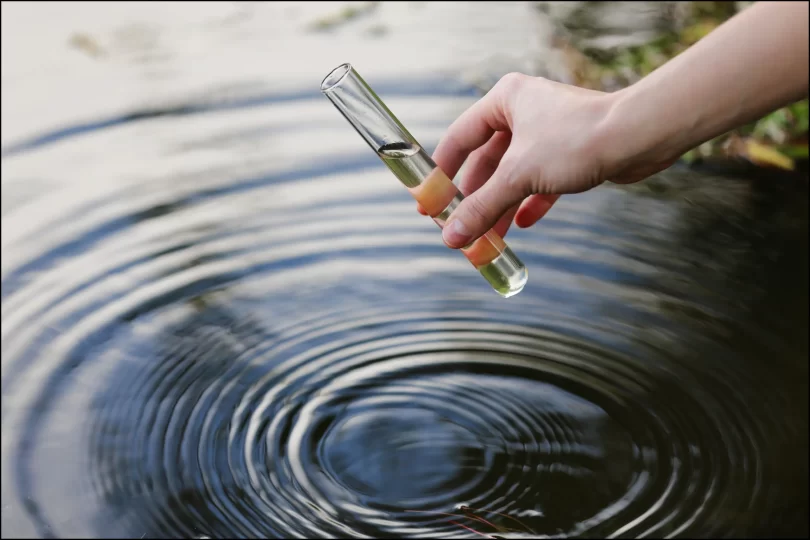
Not every home needs the same solution. Water should be tested before making decisions because guessing rarely works.
Some households mainly struggle with hardness. Others deal with sediment, chlorine, unpleasant tastes, sulfur odors, or combinations of several concerns. Installing equipment without understanding the underlying issue can leave homeowners disappointed.
Professional testing provides a clearer picture and helps match treatment methods to actual needs instead of assumptions.
A Reliable eco water Solution Can Improve Daily Living
Many homeowners eventually decide that improving their water quality is an investment rather than an expense. Modern eco water solutions are designed to address multiple household concerns while operating efficiently and requiring relatively little day-to-day attention.
Cleaner water often means smoother showers, brighter laundry, cleaner dishes, and less scale accumulating inside expensive appliances. It’s one of those upgrades that quietly improves everyday life without demanding constant maintenance.
The difference isn’t always dramatic overnight, but over several months, many families notice lower cleaning effort and fewer plumbing-related frustrations.
Understanding How Hard Water Affects a Home
Hard water isn’t dangerous for most people, yet it can be surprisingly expensive over time.
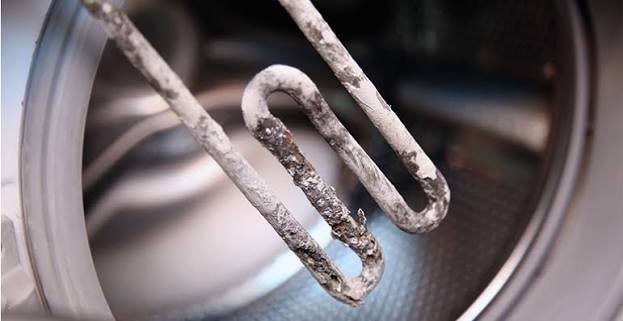
Minerals gradually coat heating elements inside water heaters, reduce appliance efficiency, and narrow the inside diameter of plumbing pipes. As deposits build, equipment often works harder while producing less effective results.
Soap also reacts with minerals instead of dissolving completely. That’s why showers may leave skin feeling tight, sinks develop soap scum quickly, and shampoo never seems to rinse quite the way it should.
It’s one of those hidden household expenses people rarely calculate until replacement costs arrive.
Installing the Right water softener system Makes Everyday Tasks Easier
A properly sized water softener system can dramatically reduce mineral buildup throughout the home. Rather than constantly scrubbing faucets or replacing worn appliances earlier than expected, homeowners often notice that maintenance becomes much simpler.
Softened water also helps detergents perform better. Clothes feel softer, towels stay fluffier, and dishwashers require less effort to produce sparkling results.
Perhaps the biggest benefit isn’t something you immediately notice—it’s the gradual protection of plumbing, water heaters, coffee makers, washing machines, and countless other fixtures that rely on clean, balanced water every day.
Prevention Usually Costs Less Than Repairs
Home maintenance is often about preventing problems before they become expensive.
Ignoring water quality can contribute to premature appliance failure, clogged fixtures, inefficient heating systems, and unnecessary plumbing repairs. Addressing those concerns early typically extends equipment life while reducing ongoing maintenance.
It’s similar to changing the oil in a car. The maintenance itself isn’t exciting, but it prevents far larger expenses down the road.
Solving water problems Starts With Understanding the Cause
Every home tells a different story. Some families struggle with iron stains in sinks, while others battle unpleasant tastes, sulfur smells, or excessive mineral buildup. Successfully solving water problems begins with identifying the exact cause instead of treating symptoms alone.
A professional evaluation often reveals factors homeowners never considered. Once those issues are understood, selecting an appropriate treatment becomes much easier and far more effective.
Instead of chasing temporary fixes, households gain a long-term solution that supports healthier plumbing and a more comfortable living environment.
Better Water Quietly Improves Everyday Life
People rarely talk about water until something goes wrong. Yet it’s one of the few things every member of a household uses dozens of times every single day.
When water feels cleaner, tastes fresher, and works better with everything from soap to appliances, those improvements naturally become part of daily life. Morning coffee tastes better. Showers feel more refreshing. Cleaning becomes less frustrating. Appliances often last longer, and household maintenance feels a little less demanding.
That’s what makes investing in water quality different from many other home upgrades. It isn’t about showing off something new to visitors. It’s about making ordinary moments just a bit better, every single day. Over time, those small improvements add up, creating a home that’s easier to maintain, more comfortable to live in, and better prepared for the years ahead.