Most homeowners don’t spend much time thinking about their roof—and honestly, that’s understandable. It’s one of those parts of the house that’s easy to ignore because it’s always there, quietly doing its job. But when a heavy storm rolls through or you notice a damp spot on the ceiling, the roof suddenly becomes the most important feature of your home.
The reality is that a roof is far more than a layer of shingles. It’s a complete protective system that shields your family, preserves the structure of your home, and even influences your monthly energy bills. The choices you make before a roofing project begins often determine how well that roof performs for the next 20 or 30 years.
Whether you’re maintaining an older home or preparing for a major upgrade, understanding the fundamentals of roofing can save you money, reduce stress, and help you make smarter decisions.
A Roof Quietly Protects Everything You Value
Think about everything your roof safeguards.
It protects your furniture, electronics, family photos, insulation, flooring, and the structural framework of your home. Every season brings new challenges—intense sunlight, driving rain, hail, snow, and strong winds—and your roof absorbs those impacts day after day.
Because the damage happens gradually, homeowners often underestimate the amount of wear a roof experiences over time. Small cracks, loose shingles, or aging flashing may not seem urgent today, but they rarely improve on their own.
Paying attention to early warning signs is always less expensive than waiting for visible water damage inside the house.
Not Every Roof Needs Immediate Replacement
One common misconception is that every roofing issue means it’s time for a completely new roof.
Fortunately, that’s not always true.
Minor storm damage, isolated leaks, or a few missing shingles can often be repaired successfully without replacing the entire roof. A qualified contractor can inspect the condition of the decking, flashing, underlayment, and shingles before recommending the most practical solution.
However, when a roof reaches the end of its service life or has suffered widespread deterioration, repeated repairs may become more costly than investing in roof replacements that offer long-term reliability.
A replacement isn’t just about fixing today’s problems—it’s about preventing tomorrow’s.
Ventilation Is the Hidden Hero of Roofing
Homeowners usually focus on shingles because they’re visible. But one of the most important parts of a healthy roof is something many people never see.
That’s proper ventilation.
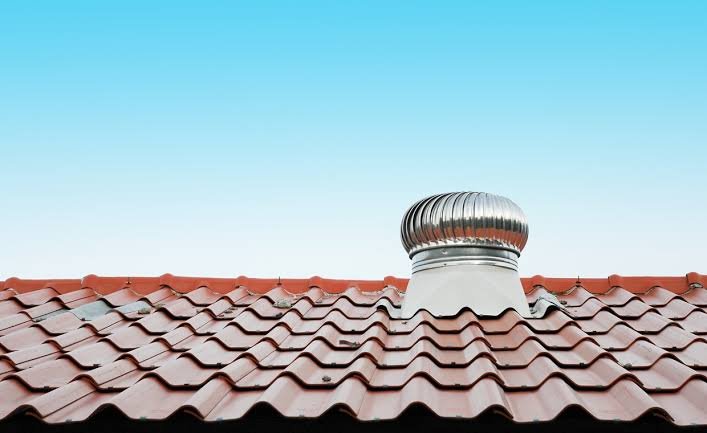
A well-ventilated attic allows hot, humid air to escape while drawing in cooler outside air. Without that airflow, heat builds up during summer months, causing shingles to age faster and forcing air conditioning systems to work harder.
In colder climates, poor ventilation can also contribute to moisture buildup, mold growth, wood rot, and damaging ice dams along the roof’s edge.
It’s remarkable how something so hidden can influence the lifespan of an entire roofing system.
Good Materials Matter, but So Does the Person Installing Them
Homeowners naturally spend time comparing roofing products.
Should you choose architectural shingles?
Impact-resistant materials?
Metal roofing?
Synthetic options?
Those are all worthwhile questions. Yet there’s another factor that often has an even greater impact on long-term performance.
The quality of the installation.
Even premium materials won’t perform properly if flashing is installed incorrectly, nails are misplaced, or underlayment isn’t applied according to manufacturer guidelines.
That’s why experienced contractors place such a strong emphasis on preparation before the visible work even begins.
Installation Is About Precision, Not Speed
Roofing isn’t simply about covering a house with shingles.
Every layer serves a purpose.
The roof deck provides structural support.
Underlayment protects against moisture.
Flashing seals vulnerable areas around chimneys, vents, and valleys.
Ventilation regulates attic temperatures.
Finally, shingles provide the weather-resistant surface homeowners see every day.
Delivering all of those components correctly requires genuine installation expertise rather than simply working quickly.
Experienced roofing professionals understand that small details—many of which remain hidden forever—often determine whether a roof lasts fifteen years or thirty.
Routine Maintenance Pays Off More Than Most People Expect
The best roofing investment isn’t always a new roof.
Sometimes it’s simply regular maintenance.
Cleaning gutters every season prevents water from backing up beneath shingles. Trimming overhanging tree branches reduces debris and limits storm damage. After severe weather, a quick visual inspection can reveal loose shingles or damaged flashing before leaks begin.
Professional roof inspections every couple of years are equally valuable, especially once the roof reaches the second half of its expected lifespan.
Preventive maintenance isn’t glamorous, but it’s remarkably effective.
Weather Never Takes a Day Off
Every climate creates different roofing challenges.
In hot regions, prolonged UV exposure slowly dries and weakens roofing materials.
In snowy areas, repeated freezing and thawing create expansion that stresses flashing and seals.
Coastal homes battle salt, humidity, and high winds.
Storm-prone regions experience hail impacts that may not always be visible from the ground.
Because weather is relentless, choosing materials designed for your local conditions is just as important as selecting an attractive color or style.
A roof that performs beautifully in one environment may not be the best fit somewhere else.
The Long-Term Value of Quality Roofing
Many homeowners understandably compare roofing estimates based primarily on price.
While staying within budget matters, focusing only on the lowest bid can become expensive later.
Higher-quality materials, experienced installers, proper ventilation, and thorough workmanship often translate into fewer repairs, lower maintenance costs, and longer service life.
A well-built roof also improves energy efficiency, enhances curb appeal, and can increase resale value if you decide to sell your home in the future.
Viewed over several decades, investing in quality usually costs less than repeatedly repairing avoidable problems.
Peace of Mind Is Part of the Investment
A dependable roof offers something that’s difficult to measure with numbers alone.
Confidence.
You don’t worry every time dark clouds appear.
You don’t wonder whether another leak will show up after heavy rain.
You simply trust that your home is protected.
That peace of mind is one of the greatest benefits of making thoughtful roofing decisions from the beginning.
Final Thoughts
Roofing projects aren’t something most homeowners face often, which makes every decision especially important. Taking time to understand materials, ventilation, workmanship, and maintenance allows you to invest wisely rather than reacting to emergencies.
Whether your current roof only needs routine care or it’s finally time for a complete replacement, remember that lasting performance comes from a combination of quality materials, skilled craftsmanship, and careful planning.
Years from now, when your roof continues protecting your home through storms, changing seasons, and everyday life, you’ll appreciate having made decisions that prioritized long-term value over short-term savings.