
Water is something most people use dozens of times every day without thinking much about it. We turn on the tap, fill a glass, wash dishes, take a shower, and move on with life. But the quality of that water can quietly affect everything from the condition of our appliances to how our skin feels after a shower. Many homeowners only start paying attention when they notice white spots on faucets, dry hair, strange tastes, or plumbing problems that seem to appear out of nowhere.
The truth is, water quality is not just about whether water looks clear. Minerals, chemicals, and other elements dissolved in water can change how it behaves inside a home. Understanding these differences is the first step toward creating a cleaner, more comfortable living environment.
The Hidden Impact of Everyday Water
One of the most common water issues homeowners experience is caused by excessive minerals, especially calcium and magnesium. These minerals are naturally found in groundwater and can build up over time. While they are not usually considered dangerous, they can create plenty of frustration around the house.
You might notice cloudy glassware after washing, soap that refuses to create a good lather, or faucets covered with stubborn deposits. These small annoyances often become more noticeable as the years pass because mineral buildup slowly affects pipes, fixtures, and appliances.
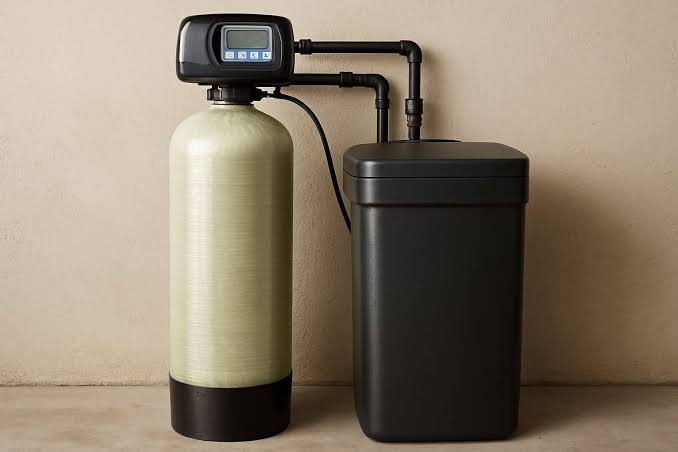
Many families consider installing water softeners when these problems become difficult to ignore. These systems work by reducing hardness-causing minerals, helping water feel smoother and perform better for everyday tasks. It is not about changing water into something artificial; it is about balancing what is already there.
Why Hard Water Creates Household Challenges
Water hardness varies depending on where you live. Some areas have naturally softer water, while others receive groundwater with a higher concentration of minerals. In places with significant mineral content, homeowners may spend extra money replacing damaged appliances or using more cleaning products than necessary.
soft water can leave behind scale deposits inside water heaters, washing machines, and plumbing lines. Over time, this buildup may reduce efficiency and increase maintenance needs. A water heater, for example, may have to work harder when mineral layers collect around heating elements.
There is also the daily inconvenience. Soap scum in bathrooms, spots on shower doors, and dull-looking laundry can become a regular battle. Many homeowners don’t realize their water is the reason until they compare the difference after treatment.
The Comfort and Benefits of Softer Water
When people talk about improving household water, they often focus only on cleaning benefits. But the experience goes beyond that. Water that contains fewer hardness minerals can make showers feel more refreshing and help soaps and shampoos work more effectively.
For many households, Hard water becomes noticeable almost immediately. Clothes may feel softer after washing, dishes may look clearer, and surfaces may require less scrubbing. These improvements might seem small individually, but together they make everyday routines easier.
There is also a practical advantage. When fewer mineral deposits form inside appliances and fixtures, equipment may operate more efficiently and require fewer repairs. Over years, this can help reduce unnecessary household expenses.
Choosing the Right Water Treatment Approach
Every home has different water challenges, so there is no single solution that works perfectly for everyone. Some properties may need a complete treatment system, while others may only require a targeted solution for a specific issue.
Before choosing any equipment, it is smart to understand what is actually present in your water. A professional water test can reveal important details, including mineral levels, acidity, iron content, and other factors that affect quality.
Testing prevents homeowners from spending money on products they may not need. It also helps create a treatment plan based on real information rather than guesswork. After all, treating a problem you do not have is just wasting time and resources.
More Than Just Cleaner Water
Good water quality affects more than appearance. It plays a role in the overall comfort of your home. From cooking and cleaning to bathing and drinking, water is connected to almost every part of daily life.
Many people think water treatment is only necessary for older homes or rural properties, but that is not always true. Even newer houses can experience water-related issues depending on the local supply and plumbing conditions.
A small improvement in water quality can create noticeable changes. Cleaner fixtures, better-performing appliances, and a more pleasant shower experience are benefits that homeowners often appreciate once they make the switch.
Making a Smart Long-Term Investment
Improving your home’s water quality is not simply about solving today’s problems. It is about protecting your home for the future. Plumbing systems, appliances, and fixtures represent significant investments, and the water running through them can influence how long they last.
The best approach is to understand your home’s specific needs, test your water, and choose a solution that matches your situation. Quality water is something many people take for granted until they experience the difference.
At the end of the day, better water is about creating a healthier, more comfortable home environment. Once you understand what is flowing through your pipes, making smarter choices becomes much easier.

