A plumbing system is one of those things most people rarely think about until something goes wrong. A dripping faucet, a slow drain, or a sudden drop in water pressure might seem like a minor inconvenience at first. But small problems can become expensive repairs when they’re ignored for too long. Taking a little time to understand how your plumbing works can help you protect your home, manage water use, and avoid unnecessary stress.
Whether you live in an older house or a recently built property, reliable plumbing matters every day. From morning showers to washing dishes after dinner, clean and dependable water keeps a household running smoothly. The good news is that many plumbing concerns can be handled with sensible maintenance and help from a qualified professional when needed.
Why Regular Plumbing Maintenance Matters
Plumbing systems experience wear and tear just like other parts of a home. Pipes expand and contract as temperatures change, seals gradually deteriorate, and mineral deposits can collect inside fixtures. Even a small leak beneath a sink may continue for weeks before anyone notices it.
Routine inspections help catch these issues before they cause significant damage. Look under sinks occasionally, check exposed pipes for moisture, and pay attention to unusual sounds coming from your walls or water heater. A toilet that keeps running or a faucet that suddenly loses pressure may be signaling a problem worth investigating.
Maintenance doesn’t have to be complicated. Keeping drains clear of grease, avoiding harsh chemicals that may damage certain pipes, and fixing small leaks promptly can make a real difference. These simple habits also help prevent water waste, which benefits both your household budget and the environment.
Finding Help for Plumbing Problems
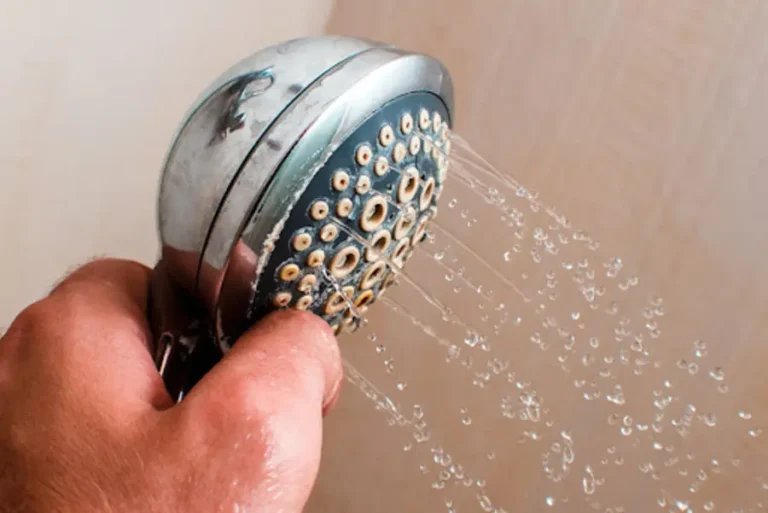
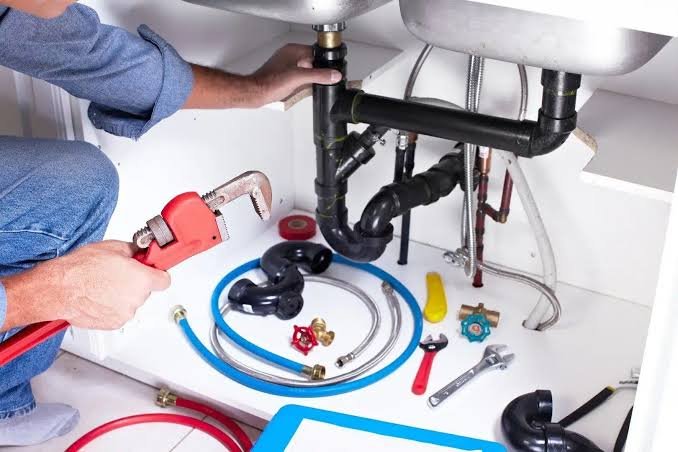
Some plumbing jobs are suitable for basic DIY attention, but others require professional knowledge and specialized equipment. Replacing a showerhead is usually straightforward. Diagnosing a hidden pipe leak, repairing a damaged sewer line, or resolving repeated drainage problems is another matter entirely.
A dependable plumber can identify the cause of a problem rather than simply treating the visible symptoms. For instance, a slow kitchen drain might be caused by grease buildup, but recurring blockages could indicate a deeper issue within the drainage system. Addressing the underlying cause can save time and money in the long run.
When looking for general plumbing assistance, consider the provider’s experience, licensing requirements in your area, communication, and approach to pricing. A good professional should explain the issue in understandable terms, outline possible solutions, and let you know what the repair involves before work begins. You shouldn’t need a technical background to understand what’s happening in your own home.
Recognizing Warning Signs Before They Get Worse
Plumbing problems rarely arrive with a convenient warning. Sometimes the first clue is a faint musty smell near a cabinet. Other times, you might notice that your water bill has increased even though your daily routine hasn’t changed.
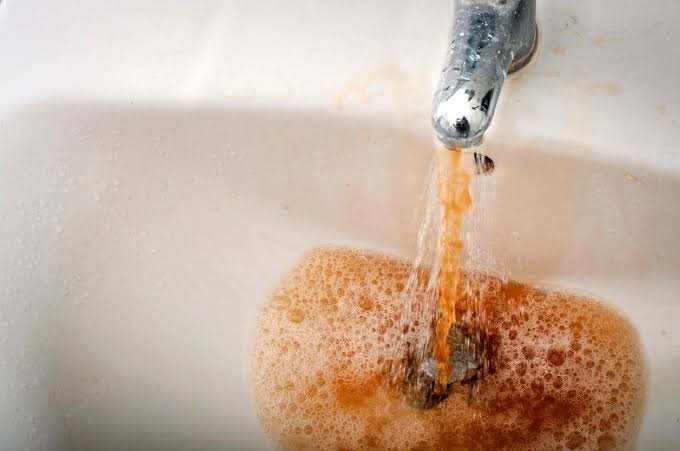
Keep an eye out for damp patches on ceilings, bubbling paint, discolored water, persistent drain odors, or water pressure that fluctuates without an obvious reason. These symptoms don’t always point to a major fault, but they deserve attention. Hidden leaks can damage flooring, cabinets, insulation, and structural materials if moisture is allowed to spread.
You can also monitor your water meter when no water is being used. If the reading continues to change, there may be a leak somewhere in the system. This simple check isn’t a substitute for professional diagnosis, but it can help you decide when further investigation is necessary.
If water is actively leaking and causing damage, shut off the appropriate supply valve if it’s safe to do so. For a major leak, use the main shutoff valve and contact a plumber promptly. Knowing where that valve is located before an emergency happens can spare you a frantic search when every second counts.
Extending the Life of Your Existing Water Equipment
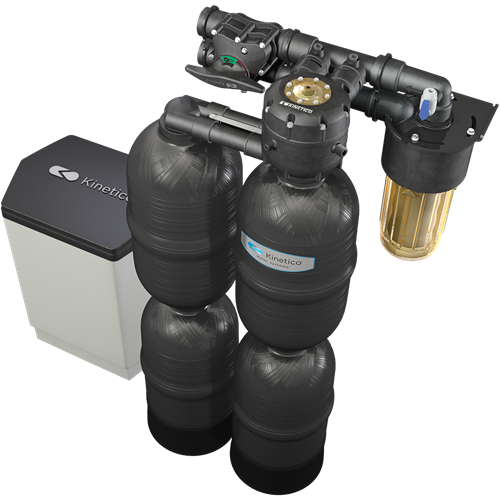
Homes often contain water-related equipment that deserves attention beyond the pipes themselves. Water heaters, filtration units, pressure tanks, and softening systems all play different roles, and each may require periodic inspection or servicing.
For example, a water heater that produces inconsistent temperatures may have a thermostat issue, sediment buildup, or another fault. A filtration system that hasn’t been serviced according to its manufacturer’s instructions may no longer perform as intended. Pressure problems could also be connected to equipment that needs adjustment or repair.
Professional service on existing water systems can help homeowners maintain equipment they already own instead of automatically replacing it at the first sign of trouble. A technician can assess its condition, identify worn components, and explain whether repair, routine servicing, or replacement makes the most practical sense.
The right decision depends on the equipment’s age, condition, efficiency, and repair history. A relatively new system with a minor fault may be worth fixing. An older unit that breaks down repeatedly might cost more to maintain than to replace. Ask for a clear explanation of the options so you can make a decision based on useful information rather than pressure.
Choosing a Plumbing Professional You Can Trust
Inviting someone into your home to work on plumbing involves more than finding the lowest advertised price. You want a professional who respects your property, communicates clearly, and takes the time to do the job properly.
Start by checking local reviews, asking about relevant experience, and confirming any licensing or insurance requirements that apply. It can also help to ask whether the company provides written estimates and explains additional charges before proceeding with unexpected work.
Pay attention to how your questions are handled. A reliable provider should be willing to describe the problem, discuss suitable repair methods, and explain what is included in the quoted price. If the explanation feels rushed or you aren’t comfortable with the proposed solution, seeking another opinion is reasonable, particularly for a major repair.
Clear communication at the beginning often prevents misunderstandings later. It also makes it easier to compare providers fairly, since two estimates may cover different materials, labor, or repair methods.
Understanding Estimates and Repair Costs
Plumbing costs vary depending on the type of problem, the accessibility of the affected area, replacement parts, labor, and how urgently the work is needed. Fixing a visible faucet leak may be relatively simple, while repairing a pipe behind a finished wall could involve additional labor and restoration.
Before approving a job, ask what the price includes. Does it cover labor and materials? Are diagnostic charges separate? What happens if the plumber discovers another issue after opening a wall or accessing a pipe? These questions help you understand the likely cost and avoid surprises.
Many homeowners begin with a free estimate to understand the scope of work and decide how to proceed. When requesting one, describe the symptoms as clearly as possible, including when the problem started and whether it happens consistently. Photos or a short video may help a provider understand the situation, although some issues can only be diagnosed in person.
Remember that an estimate may change if previously hidden damage is discovered. The important thing is that any significant changes are explained and approved before additional work moves forward.
Small Habits That Make a Lasting Difference
Good plumbing care often comes down to everyday decisions. Don’t pour cooking grease into the kitchen sink, use drain strainers where appropriate, and avoid flushing wipes or other items that can cause blockages. Check outdoor faucets and exposed pipes before cold weather arrives, especially if freezing temperatures are possible in your region.
It’s also wise to learn the locations of important shutoff valves and keep access to them clear. If your home has a water heater or filtration system, follow the manufacturer’s maintenance recommendations instead of relying on guesswork.
Above all, don’t ignore recurring problems just because the water still runs. Repeated leaks, stubborn clogs, or persistent pressure changes may be signs of a bigger issue developing beneath the surface.
A More Reliable Home Starts With Better Care
Plumbing doesn’t need constant attention, but it does benefit from a little awareness and timely maintenance. Spotting warning signs early, choosing qualified professionals, and understanding your repair options can help protect your home from avoidable damage.
When a problem appears, take a moment to assess what you can safely check yourself and where professional help makes sense. With sensible habits and dependable service, your water systems can remain efficient, practical, and ready for everyday life.