There was a time when “getting dressed” meant standing in front of a mirror, trying on outfits, maybe changing your mind twice before stepping out. Now, for a growing number of people—especially online—that moment happens on a screen.
Not in your bedroom. But in an app.
Digital fashion, or virtual outfits, has been quietly weaving itself into conversations around identity, creativity, and even sustainability. It sounds futuristic at first. A little abstract. But if you spend enough time on social media, gaming platforms, or even AR filters, you’ll start noticing it’s already here… just not fully formed yet.
What Exactly Is Digital Fashion?
At its simplest, digital fashion is clothing that exists only in the virtual world. You don’t physically wear it. Instead, you “apply” it to your photos, videos, or digital avatars.
Think Instagram filters, gaming skins, or virtual try-ons—but more refined, more intentional. Designers are creating entire collections that exist only digitally. No fabric. No stitching. Just pixels and imagination.
And surprisingly, people are paying for it.
Why It’s Catching Attention Globally
There are a few reasons digital fashion is getting traction worldwide.
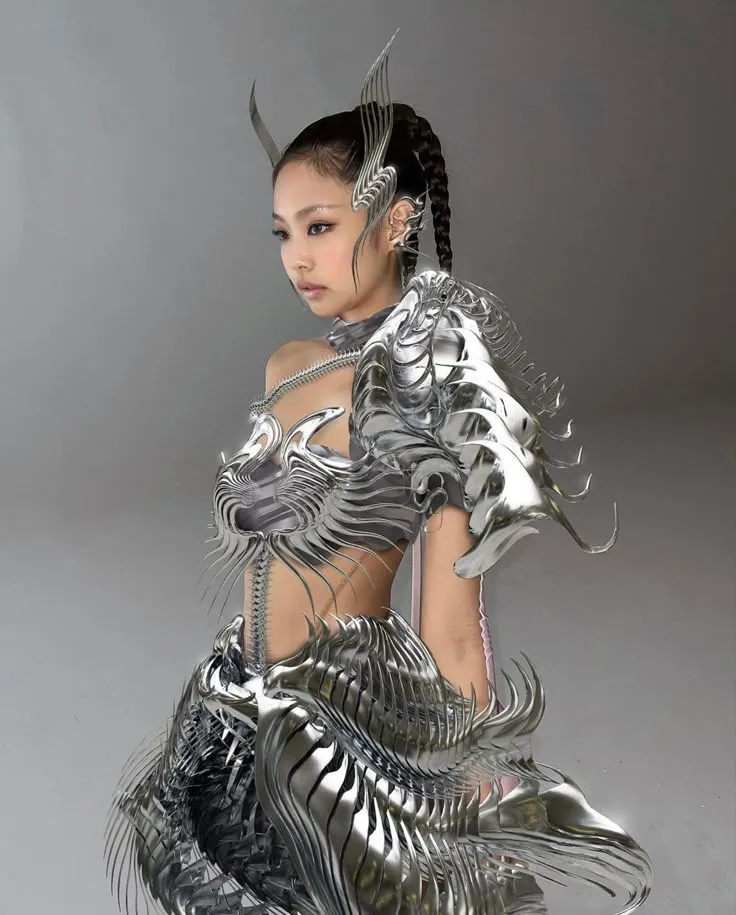
For one, it removes limitations. You’re not restricted by fabric, gravity, or practicality. Want a glowing jacket made of liquid metal? Done. A dress that changes color with your mood? Why not.
Then there’s sustainability. Traditional fashion has a massive environmental footprint. Digital fashion, at least in theory, reduces waste, overproduction, and the cycle of fast fashion.
And of course, there’s the social media factor. Let’s be honest—many outfits today are worn once, photographed, and then forgotten. Digital fashion leans into that behavior rather than pretending it doesn’t exist.
India’s Unique Position in This Shift
India’s relationship with fashion is deeply cultural, emotional, and often tied to occasions. Weddings, festivals, family functions—clothing here isn’t just about style, it’s about identity.
So when digital fashion enters the picture, it doesn’t just disrupt—it has to adapt.
Urban Gen Z audiences are already experimenting with AR filters, virtual styling apps, and gaming avatars. But the broader market is still figuring things out. There’s curiosity, sure, but also hesitation.
Which brings up a question many people are quietly asking—Digital fashion (virtual outfits) India me kab mainstream hoga?
The Barriers That Are Hard to Ignore
For digital fashion to truly take off in India, a few things need to align.
First, awareness. Outside metro cities and niche online communities, most people still aren’t familiar with the concept. And even when they are, it can feel… unnecessary.
Second, value perception. Paying for something you can’t physically wear doesn’t come naturally to everyone. Especially in a market where value-for-money decisions are deeply ingrained.
Third, technology access. While smartphone penetration is high, not everyone has access to devices or apps that can fully support immersive digital fashion experiences.
And then there’s culture. Physical clothing still holds emotional weight—handloom sarees, bridal lehengas, even everyday kurtas. Digital alternatives have to coexist with that, not replace it.
Where It’s Already Finding a Foothold
Interestingly, digital fashion is gaining traction in spaces where physical limitations don’t exist.
- Gaming platforms: Avatars dressed in unique skins and outfits
- Influencer content: Creators experimenting with virtual styling
- AR filters: Brands offering digital try-ons for marketing campaigns
These aren’t massive shifts, but they’re signals. Small indicators that behavior is evolving.
The Role of Creators and Designers
One of the most exciting aspects of digital fashion is how it democratizes design.
You don’t need a factory or a supply chain. If you have the skills, you can create and sell digital outfits globally. Indian designers, especially young ones, are starting to explore this space—blending traditional aesthetics with futuristic concepts.
Imagine a virtual saree that flows like light. Or a sherwani designed for a gaming avatar. It sounds niche now, but it’s also where creativity thrives.
A Hybrid Future Feels More Likely
If we’re being realistic, digital fashion in India probably won’t replace physical clothing anytime soon. That’s not the goal anyway.
Instead, a hybrid model seems more natural.
You might buy a physical outfit for a wedding—and a digital version of it for your social media posts. Or experiment with styles digitally before committing to a real purchase.
In that sense, digital fashion becomes an extension, not a substitute.
So, When Does It Go Mainstream?
“Mainstream” is a tricky word. It doesn’t happen overnight. It sneaks in slowly—through habits, through convenience, through small shifts in perception.
For digital fashion in India, that moment will likely come when:
- The tech becomes seamless
- The pricing feels justified
- And the experience… feels fun, not forced
We’re not fully there yet. But we’re not at the beginning either.
A Final Thought
Fashion has always been about expression. About showing the world who you are—or who you want to be.
Digital fashion doesn’t change that. It just gives you a new canvas.
And maybe, a few years from now, “getting dressed” won’t always involve opening your wardrobe. Sometimes, it’ll just mean opening an app—and imagining something a little bolder than reality allows.
That shift, when it happens, might feel subtle. But it’ll be real.