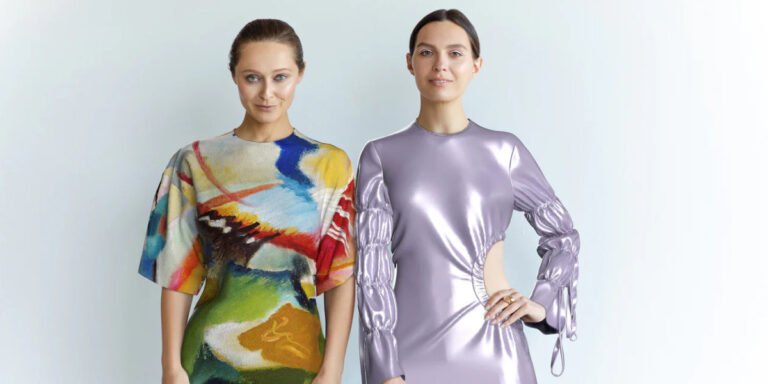
There’s something quietly powerful about fabric that carries a story. Not just threads woven together, but time, skill, and memory stitched into every inch. For years, many of India’s regional textiles sat in the background — admired, yes, but often overshadowed by fast fashion and global trends.
And then, almost unexpectedly, they began to return. Not loudly, not as a trend screaming for attention, but as something more rooted… more intentional.
A Shift in What People Value
If you rewind a decade, the average fashion conversation in India looked very different. It leaned heavily towards Western silhouettes, mass production, and, let’s be honest, convenience over craft.
But things have shifted. Today’s consumers — especially younger ones — are asking questions. Where was this made? Who made it? Is it sustainable?
That curiosity has opened doors for regional textile brands. Suddenly, handwoven fabrics, natural dyes, and age-old techniques aren’t “old-fashioned” anymore. They feel authentic. And authenticity, it turns out, travels well.
The Makers Behind the Movement
What’s really interesting is that this revival isn’t just about fabrics — it’s about people.
Small brands, often started by designers or entrepreneurs deeply connected to craft communities, are working directly with artisans. They’re not just selling products; they’re building ecosystems.
In places like Kutch, Chanderi, or Assam, weavers who once struggled to find consistent demand are now part of global conversations. Their work is being worn in cities they may never visit, appreciated by audiences they may never meet.
There’s something both beautiful and slightly surreal about that.
Regional textile revival brands India me global attention kaise le rahe hain?
Part of the answer lies in storytelling — and doing it right.
These brands aren’t just putting products online; they’re sharing the journey behind them. Social media, e-commerce platforms, even simple packaging choices are used to highlight the craft, the process, and the people involved.
At the same time, they’re adapting designs to suit modern tastes. A traditional weave might find its way into a contemporary silhouette. A heritage pattern could be reimagined for everyday wear.
It’s this balance — staying rooted while evolving — that’s helping these brands resonate globally.
Sustainability Isn’t Just a Buzzword Here
In many ways, Indian regional textiles were sustainable long before sustainability became a global trend.
Handlooms consume less energy. Natural dyes reduce chemical impact. Small-scale production minimizes waste. These practices, once seen as limitations, are now being recognized as strengths.
Global consumers, increasingly conscious about their choices, are drawn to this. They’re looking for alternatives to fast fashion, and Indian textile revival brands are offering exactly that — without trying too hard.
The Role of Digital Platforms
It would be unfair to ignore how much the internet has changed the game.
A decade ago, reaching an international audience required significant investment and infrastructure. Today, a well-curated Instagram page or a thoughtfully designed website can do a lot of that work.
Digital storytelling allows these brands to connect directly with customers. No middle layers, no heavy filtering — just the craft, presented as it is.
Of course, it’s not always smooth. Logistics, scaling, and maintaining quality while growing are real challenges. But the access? That’s a game-changer.
Challenges That Still Exist
For all the progress, the journey isn’t without bumps.
Artisan wages, consistency in production, and the risk of designs being copied are ongoing concerns. There’s also the delicate balance of modernizing without diluting the essence of the craft.
And then there’s the pressure of global demand. Scaling up can sometimes strain traditional processes, which are inherently slower and more meticulous.
It’s a tricky path — growing enough to sustain, but not so much that the soul gets lost.
A Different Kind of Luxury
What’s fascinating is how the idea of luxury itself is being redefined.
Earlier, luxury often meant exclusivity driven by brand names or price tags. Now, it’s slowly shifting towards meaning — the story behind the product, the effort involved, the uniqueness of something handmade.
Owning a handwoven saree or a naturally dyed jacket feels different. It’s not just clothing; it’s a connection to something deeper.
And maybe that’s why global audiences are paying attention.
Final Thoughts
The rise of India’s regional textile revival isn’t just a fashion story. It’s a cultural one. A reminder that tradition doesn’t have to stay in the past — it can evolve, adapt, and find new relevance.
These brands aren’t just reviving textiles. They’re reviving pride, identity, and a sense of continuity.
And if you look closely, you’ll notice — this isn’t a passing phase. It feels slower, steadier… like something that’s here to stay.