Most people notice indoor air only when something feels wrong. A room smells stale. Dust keeps coming back no matter how often you wipe the shelves. Someone wakes up congested again. The dog shakes once and suddenly there’s a cloud of fur and dander floating through the morning sunlight. It’s not dramatic, exactly, but it’s enough to make a home feel less fresh than it should.
The funny thing is, we spend so much energy making our homes look clean. Floors, countertops, bathrooms, windows, all of it. But the air? That tends to get ignored. You can’t really see it, so it’s easy to assume it’s fine. Still, indoor air carries plenty of things we’d rather not breathe all day: dust, pollen, pet dander, cooking odors, smoke particles, mold spores, and whatever drifts in from outdoors.
That’s why more homeowners are paying attention to air quality as part of everyday comfort, not just as a luxury upgrade. Clean air is not something you only think about when allergies flare up. It affects sleep, mood, breathing, odors, and the general feeling of a house.
Why Room-by-Room Air Purifiers Only Go So Far
Portable air purifiers can be helpful. There’s nothing wrong with placing one in a bedroom, nursery, or home office. They can make a noticeable difference, especially in smaller spaces. But they do have limits.
A portable unit only treats the air in the space where it sits. If someone closes the door, moves the unit, forgets to replace the filter, or uses it in a room that’s too large, the results may not be great. And if your home has air quality issues throughout, one little machine humming in the corner may feel like putting a bandage on a bigger problem.
With whole-home air purification the idea is to treat air as it moves through the home’s central HVAC system. Instead of cleaning one room at a time, the system works with the airflow already circulating through the house. That can help create a more consistent indoor environment, especially for families dealing with dust, allergens, pet dander, or lingering odors.
The Air You Breathe Is Always Moving
Air inside a home is not still, even when it feels that way. Heating and cooling systems move it from room to room. Doors open and close. People walk around. Pets nap on rugs and furniture. Cooking sends tiny particles into the air. Bathrooms add humidity. Laundry rooms can collect dust and lint.
All of these small things mix together. That’s why one part of the home can affect another. A musty basement smell can drift upstairs. Smoke from cooking can linger longer than expected. Pet dander does not politely stay in the room where the pet sleeps.
A whole-home approach makes sense because the problem is not always isolated. If air moves through the entire house, the solution should be able to support the entire house too.
Clean Air Is About Comfort, Not Perfection
Nobody needs to turn their home into a sealed laboratory. That’s not realistic, and honestly, it sounds exhausting. The goal is not perfect air. The goal is better air. Fresher air. Air that feels easier to live with.
For some people, the biggest concern is allergies. For others, it’s dust. Some want to reduce odors from pets, cooking, or smoke. Some simply want their home to feel cleaner between regular housekeeping. And parents with young children, older adults, or family members with sensitive breathing often want an extra layer of protection.
Better air can show up in small ways. Less dust floating in sunlight. Bedrooms that feel fresher in the morning. Fewer stale smells when you come home after being out. A cleaner feeling when the HVAC system kicks on. These are not flashy benefits, but they matter.
Why Proper Setup Makes a Difference
An air purification system is only as good as its fit. The size of the home, HVAC layout, airflow, filter type, indoor air concerns, and existing equipment all matter. A system that works beautifully in one house may not be the right match for another.
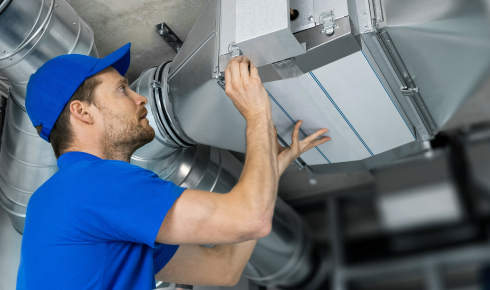
That’s why professional installation is worth taking seriously. A trained technician can assess the home, recommend the right solution, and make sure the equipment is installed correctly within the HVAC system. Poor placement or an incorrectly sized setup can reduce performance, create airflow issues, or simply fail to deliver the results people expect.
This is one of those projects where cutting corners can be tempting, but not always smart. Air quality equipment should work quietly and reliably in the background. Getting it right from the start helps avoid frustration later.
Filters, UV, and Other Options
Whole-home systems can vary. Some focus on high-efficiency filtration to capture airborne particles. Some use UV technology to help address certain microorganisms inside HVAC components. Others may include activated carbon or additional methods to reduce odors and gases.
The best choice depends on the home. A family with multiple pets may need a different solution than someone mainly concerned about pollen. A home with moisture problems may need humidity control along with filtration. A house near wildfire smoke, traffic, or construction dust may need stronger particle control.
This is why a good indoor air conversation should start with real questions, not just a product pitch. What are you noticing? Which rooms feel worst? Does anyone have allergies? How old is the HVAC system? How often are filters changed? Are there pets, smoke, or moisture issues?
Keeping the System Working Over Time
Even the best system needs attention. Filters load up. UV lamps weaken. HVAC components collect dust. Airflow can change if maintenance is ignored. A system that worked well at first can slowly lose effectiveness if nobody checks it.
Reliable maintenance support helps keep the air purification equipment performing properly over the years. It also takes the guesswork out of filter changes, inspections, and service timing. For busy homeowners, that kind of support is not just convenient, it helps protect the investment.
Regular care also gives you a chance to spot related issues. A technician may notice airflow concerns, dirty coils, excess dust, or humidity problems that affect indoor air quality. Sometimes the purifier is only one part of the bigger picture.
A Home That Feels Fresher Every Day
Clean indoor air is not something most people brag about. They just feel it. The house smells better. The bedrooms feel calmer. The air doesn’t feel as heavy. Guests may notice the freshness before you do.
A whole-home system is a quiet upgrade, but a meaningful one. It supports comfort in every season, works with the equipment already moving air through your home, and helps reduce the particles and odors that daily life naturally creates.
In the end, caring about indoor air is really caring about the people inside the home. The furniture, paint colors, and décor all matter, sure. But the air you breathe every day matters too. Maybe more than we usually admit.