Most homeowners are pretty good at noticing the obvious things. A leaking tap. A blocked sink. A toilet that keeps running after it should have stopped. Those problems are irritating, yes, but they are also visible. You can hear them, see them, and usually complain about them right away.
Gas lines and hidden plumbing systems are different. They sit behind walls, under floors, above ceilings, or tucked away in utility areas, doing serious work without much fuss. And because they stay out of sight, people often forget about them until something feels wrong. A strange smell near the kitchen. A weak flame on the stove. A water heater that does not seem to fire properly. Maybe a furnace that acts up every winter, as if it has a personal grudge.
These are not the kinds of home issues to ignore or experiment with. When gas and plumbing systems are involved, safety and proper workmanship matter more than quick fixes.
The Hidden Systems Behind Everyday Comfort
A comfortable home depends on several systems working together. Water needs to flow in. Waste needs to move out. Gas-powered appliances need steady fuel. Venting needs to carry fumes away safely. It sounds simple when you say it like that, but the actual setup is carefully planned.
Think about how many things may rely on fuel or plumbing in a normal home: the stove, water heater, furnace, dryer, outdoor grill, fireplace, and maybe even a pool heater. When everything is installed correctly, daily life feels easy. You cook dinner, wash dishes, take a hot shower, dry clothes, and move on.
But when one part of the system is poorly installed, aging, damaged, or neglected, the trouble can spread quickly. A minor leak can become a serious concern. A poorly vented appliance can create unsafe conditions. A bad connection can cause performance issues or worse. That is why hidden systems deserve regular attention, even when nothing dramatic is happening.
Why Gas Work Is Not a Place for Guessing
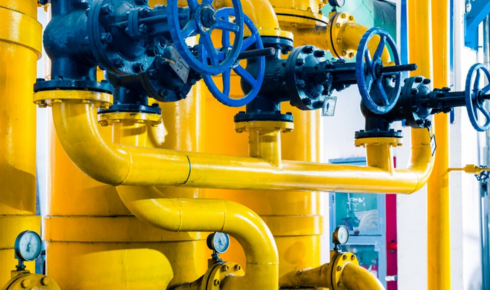
Proper gas piping is essential for safely delivering fuel to appliances throughout the home. It must be correctly sized, properly routed, securely connected, and tested before use. This is not work that should be treated casually or handled with a “good enough” mindset.
A gas line that is too small may not supply enough fuel, which can affect appliance performance. Poor fittings or loose connections can create leaks. Improper placement may make future maintenance harder or create safety problems during renovations. Even small mistakes matter because gas systems operate under rules for a reason.
Homeowners may be tempted to move a stove, add an outdoor kitchen, or connect a dryer themselves after watching a few videos online. But this is one of those areas where confidence is not the same thing as competence. A licensed professional knows how to check pressure, follow local codes, install shutoff valves, and test the completed work before anyone uses the appliance.
Plumbing and Gas Often Work Together
It is easy to separate plumbing and gas in your mind, but in many homes they overlap more than people realise. Water heaters, boilers, and some heating systems need both plumbing knowledge and fuel-line expertise. A repair that looks simple from the outside may involve drainage, pressure, combustion, venting, and water supply all at once.
That is where experienced plumbing services become valuable. A trained plumber can look beyond the immediate symptom and understand how the full system is behaving. For example, a water heater issue may not only be about the heater itself. It could involve sediment buildup, a faulty valve, low gas pressure, venting trouble, or improper installation.
Good service is not just about fixing what is broken today. It is about finding the cause, explaining it clearly, and helping the homeowner avoid the same problem next month. That kind of honest, practical work saves money and stress in the long run.
Small Warning Signs Should Be Taken Seriously
Homes usually give warnings before a major problem happens. The challenge is that people get used to them. A faint odor near an appliance. A pilot light that keeps going out. A burner flame that looks yellow instead of blue. A water heater making odd noises. A utility bill that jumps without a clear reason.
Some warning signs call for immediate action. If you smell gas, leave the area, avoid using switches or flames, and call the gas utility or emergency services from a safe place. That is not a time to investigate or try to “air it out” first.
Other signs may not be emergencies, but they still deserve professional attention. Delaying repairs can allow small issues to become expensive or unsafe. And honestly, peace of mind is worth a lot when it comes to the systems that keep a home running.
The Value of Regular Checks
Routine safety inspections help identify problems before they turn into emergencies. A professional can check gas connections, appliance shutoff valves, venting, visible piping, leaks, corrosion, water heater performance, and other important details that homeowners may never think to inspect.
These checks are especially useful in older homes, after remodeling work, before buying a property, or when adding new appliances. Older systems may include outdated materials, past DIY repairs, or installations that no longer meet current standards. Sometimes everything looks fine on the surface, but a closer inspection reveals something that should be corrected.
Regular inspection is not about fear. It is about prevention. Just like servicing a car before a long trip, checking home systems helps reduce the chance of unpleasant surprises.
When Repairs or Upgrades Make Sense
Not every issue requires a major replacement. Sometimes a loose connection, worn valve, or short section of damaged pipe can be repaired properly. In other cases, old lines or poorly designed systems may need upgrading to support modern appliances.
For example, adding a tankless water heater or outdoor gas feature may require more fuel capacity than the existing line can provide. A kitchen renovation may reveal old piping that should be replaced while walls are open. A furnace upgrade may require venting or connection changes.
The best professionals will explain the options without pressure. They should tell you what is urgent, what can be planned, and what may improve safety or performance over time.
A Safer Home Feels Better to Live In
Gas and plumbing systems may not be the most glamorous parts of a home, but they are among the most important. They support warmth, cooking, bathing, cleaning, laundry, and everyday comfort. More importantly, they protect the people living inside.
A home feels better when its hidden systems are working safely. You do not have to wonder about that strange smell, that old connection, or that appliance that never seems quite right. You simply know the work has been checked, repaired, or installed properly.
In the end, responsible home care is not only about fresh paint, clean floors, and nice fixtures. It is also about the quiet lines behind the walls, carrying fuel and water where they need to go. When those systems are respected and maintained, the whole home feels steadier, safer, and easier to trust.