A vehicle wrap has to do more than look good on the first day. That part is easy, really. Fresh graphics, clean colours, glossy panels — almost any new wrap can look impressive under the right lighting. The real test comes later, after months of sun, washing, road dust, heat, rain, and everyday use.
For businesses, this matters because a wrapped vehicle is not just decoration. It represents the brand every time it parks outside a customer’s home, pulls into a job site, or sits in traffic. If the wrap fades too quickly or starts peeling at the edges, the whole business can look less polished than it actually is. Good design matters, of course, but strong materials are what help that design keep doing its job.
Why Material Choice Comes First
A professional wrap begins with the right film. Premium cast vinyl is often preferred for vehicle wraps because it is made to conform better to curves, panels, corners, and complex body shapes. Trucks, vans, and cars are not flat signs. They have door handles, seams, wheel arches, bumpers, mirrors, and all kinds of awkward curves that cheaper materials may struggle with.
Cast vinyl tends to be thinner and more flexible than basic calendered vinyl, which helps installers create a smoother finish. It also usually performs better over time when exposed to outdoor conditions. That flexibility and durability can make a big difference, especially for commercial vehicles that are used daily.
A Good Wrap Should Age Gracefully
No wrap lasts forever, but a quality one should not look tired after just a short period. Fading, cracking, bubbling, and lifting edges are common signs of poor materials or rushed installation. Sometimes businesses choose a cheaper option to save money upfront, only to spend more later fixing or replacing it.
A better wrap should hold its colour, stay clean around the edges, and keep the branding easy to read. That is important because vehicle graphics are often seen at quick glance. If the logo looks dull or the phone number is hard to read, the wrap is no longer doing its job properly.
Sun Exposure Is a Serious Factor
Vehicles spend a lot of time outdoors, and sunlight can be rough on printed graphics. That is why UV protection plays such an important role in wrap performance. Without proper protection, colours can fade faster, whites may start looking dull, and the overall finish can lose its sharpness.
Protective laminates and quality inks help slow down damage from the sun. This is especially important in hotter climates or for vehicles parked outside most of the day. A wrap that can handle UV exposure will generally keep looking fresher for longer, which means the brand stays more professional in public view.
Printing Quality Shapes the Final Look
Even the best vinyl will not save a weak print job. Sharp lines, accurate colours, clean gradients, and readable text all depend on careful printing and artwork preparation. A wrap has to be viewed from different distances and angles, sometimes while the vehicle is moving, so clarity matters more than clever clutter.
Good printing should make the design feel crisp and confident. Colours should match the brand as closely as possible, and small details should not become muddy or blurred. This is where professional production makes a noticeable difference, even if most customers never think about the technical side.
Cleaner Printing Choices Matter Too
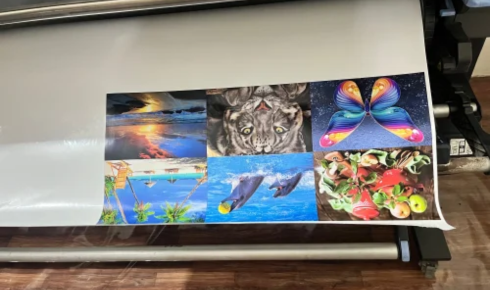
More companies are now thinking about how their marketing materials are produced, not just how they look. Eco-friendly HP latex printing can be a smart choice for businesses that want strong colour output while taking a more responsible approach to print production. It supports durable graphics without relying on some harsher solvent-based processes.
For many brands, this kind of choice fits naturally with modern customer expectations. People may not ask what printing method was used on a vehicle wrap, but businesses increasingly care about reducing unnecessary waste and choosing cleaner options where possible. It is not about being perfect. It is about making better decisions when quality and sustainability can work together.
Installation Is Where Everything Comes Together
Materials and printing are only part of the story. A wrap still needs skilled installation. The vehicle surface must be cleaned properly, measurements need to be accurate, and the vinyl has to be applied with patience around tricky areas. Corners, seams, bumpers, and recessed panels can all cause problems if the installer rushes the job.
A smooth installation makes the wrap look like part of the vehicle, not something stuck on top of it. That clean finish helps the brand feel more professional. And over time, proper installation also helps reduce lifting, bubbling, and early wear.
A Better Wrap Is a Better Brand Impression
A vehicle wrap works every day without asking much. It travels through neighbourhoods, parks near customers, and shows up in places where paid online ads may never reach. That constant visibility has value, but only if the wrap continues to look sharp.
In the end, a good wrap is built from several smart choices: durable vinyl, strong printing, proper protection, and careful installation. When those pieces come together, the result is not just a nice-looking vehicle. It is a moving brand asset that can keep making a professional impression long after the first day.