Most people don’t think much about their water system when everything is working as it should. The shower has good pressure, the kitchen tap runs clear, and the washing machine gets through its cycle without leaving marks on the clothes. Life carries on. Then a filter becomes clogged, a pipe starts leaking, or the water heater develops a layer of mineral deposits that nobody noticed building up.
These problems rarely arrive at a convenient time. A small maintenance issue can turn into an expensive repair if it goes unnoticed, especially when several household appliances or business operations depend on the same water supply. Fortunately, many of these headaches can be avoided with a little attention and a practical maintenance routine.
Water treatment equipment is an investment, but keeping it effective doesn’t have to be complicated. Understanding how the system works, recognizing early warning signs, and arranging timely servicing can help protect both water quality and the equipment itself.
Why Water Treatment Equipment Needs Regular Attention
Every water treatment system has components that wear down or need periodic care. Filters collect sediment and other particles. Water softeners may require salt replenishment, while reverse osmosis systems depend on filters and membranes that gradually lose performance. Pumps, valves, seals, and connections can also develop problems over time.
The right maintenance schedule depends on the technology, water quality, and amount of water used. A household supplied by a relatively clean municipal source may have different needs from a property using groundwater with high sediment or mineral content. Commercial facilities with heavy daily demand may need more frequent inspections.
Good service & maintenance involves more than waiting for something to break. It means checking equipment at appropriate intervals, replacing consumable parts when needed, inspecting for leaks, and confirming that the system continues to perform as intended.
It’s worth keeping a simple record of service dates, filter changes, and any unusual changes in water quality. That small habit can help identify recurring problems and make future servicing easier to plan.
Understanding Hard Water and Scale Buildup
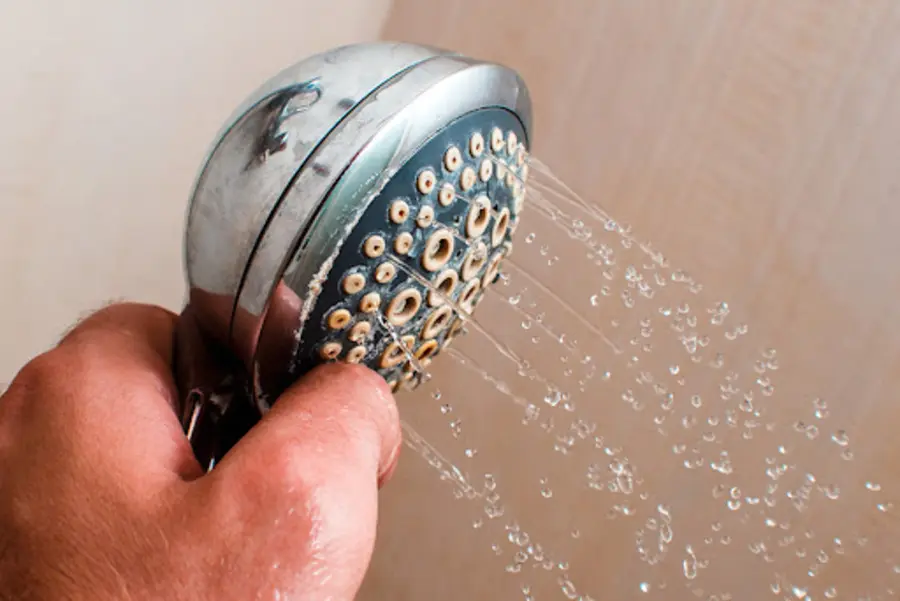
One of the most common water problems in homes is hardness. Water containing elevated levels of calcium and magnesium can leave white deposits on faucets, showerheads, kettles, and other surfaces. These marks may look like ordinary dirt, but repeated cleaning often fails to keep them away for long.
Over time, mineral deposits can also accumulate inside plumbing, water heaters, and appliances. This can interfere with heat transfer, restrict water flow, and increase cleaning or maintenance requirements. The extent of the problem depends on the water’s hardness, temperature, usage patterns, and the equipment involved.
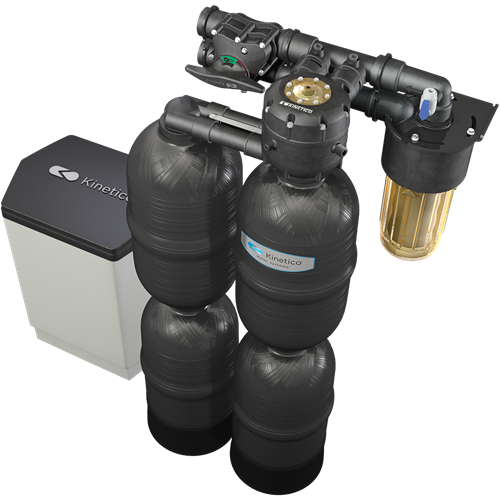
Managing hard water & scale buildup usually begins with testing the water to confirm the level of hardness. Conventional ion-exchange water softeners can reduce calcium and magnesium, helping limit the formation of scale. In some situations, other treatment approaches may be appropriate, depending on the equipment and the desired result.
If a softener is already installed, check that it’s operating correctly and receiving the maintenance recommended by its manufacturer. Simply adding salt won’t solve every possible problem; incorrect settings, worn components, or an unsuitable system size may also affect performance.
Regularly cleaning fixtures can improve their appearance, but cleaning alone won’t address the cause of recurring scale. Treating the underlying issue is often the more practical long-term approach.
Recognizing Early Warning Signs
Water systems often give small clues before a major failure occurs. Perhaps the water pressure drops gradually, the filter housing begins to leak, or treated water develops a taste that wasn’t there a few weeks earlier. Sometimes the first sign is an appliance taking longer to fill or a softener using salt unusually quickly.
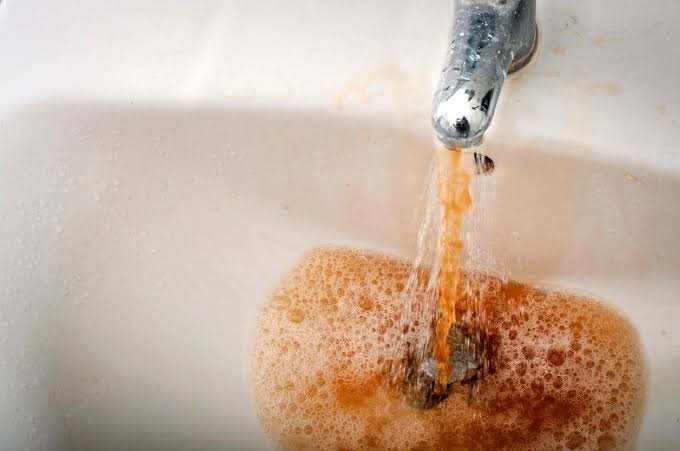
These changes deserve attention. A sudden shift in taste, color, smell, or clarity may indicate a problem with the source water, the treatment equipment, or the plumbing. It shouldn’t automatically be blamed on a filter that needs replacing.
Start by checking the manufacturer’s troubleshooting guidance and inspecting visible connections for obvious leaks or damage. Don’t dismantle pressurized equipment or electrical components unless you’re qualified to do so. If the cause isn’t clear, a trained technician can test the system and identify the next steps.
Where drinking water safety is a concern, testing is particularly important. Water that looks normal isn’t necessarily free from harmful contaminants, and treatment equipment should be verified for the substances it is intended to reduce.
When the Water Supply Cannot Be Relied On
Some properties face problems that go beyond water treatment itself. Supply interruptions, fluctuating pressure, seasonal changes in well levels, or inconsistent source quality can make everyday water use unpredictable. For a household, that might mean an inconvenient morning. For a restaurant, workshop, or farm, the disruption can affect important tasks and operating schedules.
An unreliable water supply calls for a broader assessment. Treatment equipment can improve water quality, but it cannot automatically solve a shortage of water or guarantee consistent pressure. The source, storage arrangements, plumbing, pumps, and treatment capacity may all need to be considered.
Where interruptions are frequent, a properly designed storage tank may help maintain access during short supply gaps, provided the stored water is kept safe and the arrangement complies with local requirements. A pump or pressure-control system may help in other situations, but the correct choice depends on the cause of the problem.
Private well owners should also monitor their source, particularly after heavy rainfall, drought, nearby construction, or other changes that could affect groundwater. If water quality changes suddenly, arrange appropriate testing rather than relying solely on existing treatment equipment.
The Value of Professional Inspections
Some maintenance tasks are straightforward. Homeowners can often monitor salt levels, keep the area around equipment clean, and watch for visible leaks. More complicated work, such as checking internal valves, diagnosing pressure problems, or assessing membrane performance, may require professional attention.
A good technician should explain what has been inspected, which components need attention, and why a repair or replacement is recommended. Ask for details rather than agreeing to replace equipment simply because it has reached a particular age.
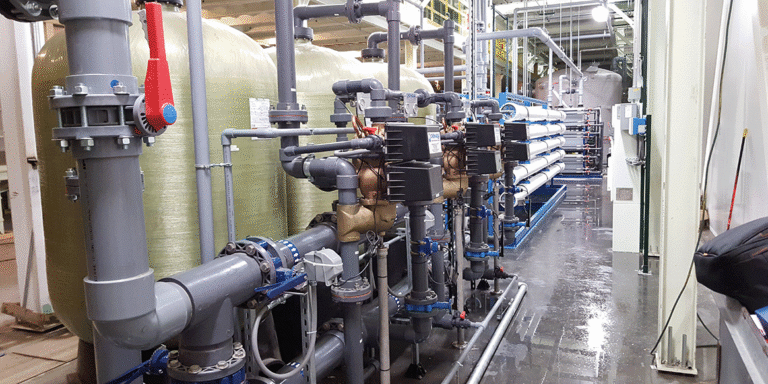
Professional servicing can be especially useful when the system treats water for several purposes or serves a busy commercial property. In these settings, a failure may affect multiple outlets or interrupt work. Planned inspections can help identify developing problems before they become disruptive.
It also makes sense to ask about the availability and cost of replacement components. A system that is easy to service and has readily available parts may prove more practical over its lifetime than one with a lower initial price but limited support.
Making Maintenance Part of Everyday Life
The easiest maintenance routine is one that people can actually follow. Set reminders for filter changes, keep the manufacturer’s instructions somewhere accessible, and note any changes in water pressure, taste, or appearance. Avoid delaying a small repair simply because the system is still producing water.
For businesses, assign responsibility for routine checks and keep service records in one place. This makes it easier to spot repeated faults and plan maintenance around operating hours. For homes, a brief inspection every so often can help catch leaks or other visible issues early.
Remember that maintenance doesn’t replace water testing. If your source is a private well, continue testing at recommended intervals even after installing treatment equipment. If the water supply changes unexpectedly, investigate the cause.
Reliable Water Begins With Consistent Care
A dependable water system isn’t created by installation alone. It relies on equipment suited to the water, sensible maintenance, and attention to changes before they become serious problems.
Regular inspections can help reduce avoidable repairs, manage mineral deposits, and maintain treatment performance. Just as importantly, understanding the limits of your equipment helps you respond appropriately when the source or supply changes.
The goal isn’t to spend every weekend worrying about filters and pipes. It’s to build a simple routine that keeps the system working reliably in the background. With the right care and timely professional support, better water quality becomes easier to maintain—and everyday life has one less problem waiting around the corner.