Water is one of those everyday essentials we tend to take for granted. You turn on the kitchen tap to fill a glass, start the washing machine, or run a hot shower without expecting anything unusual. But when water leaves cloudy marks on your dishes, makes soap harder to rinse away, or tastes a little off, those small annoyances can become part of your daily routine.
The good news is that these problems often have practical solutions. The trick is understanding what is happening with your water before investing in equipment. From reducing mineral buildup to improving the taste of drinking water, a well-chosen treatment system can make household chores easier and help you feel more confident about the water you use every day.
Start With Your Household’s Water Quality
No two homes have exactly the same water needs. A property connected to a municipal supply may experience chlorine taste or sediment from plumbing, while a home using borewell water might face hardness, iron, or other groundwater-related concerns. Even homes in the same neighbourhood can have different issues because of their pipes, storage tanks, and incoming supply.
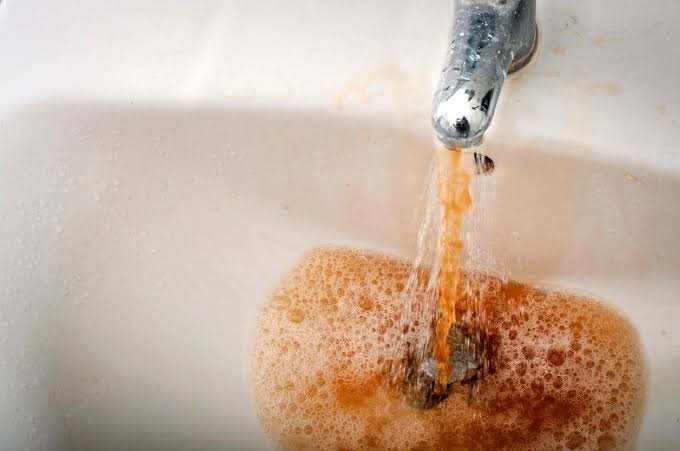
Rather than choosing a filter based on a neighbour’s recommendation, begin by identifying the problem. White deposits on taps and kettles often suggest hard water. A persistent chlorine smell may point towards disinfectants in the supply, while rusty stains can indicate iron. These clues are useful, but they don’t tell the whole story.
Testing provides a clearer picture. Depending on your water source, a suitable analysis can measure hardness, pH, dissolved solids, and specific contaminants that may be relevant locally. If your household relies on a private well or borewell, testing for appropriate microbial and chemical concerns is particularly important.
There’s no need to make the process more complicated than necessary. Start with reliable results, then choose a treatment method that addresses what the test actually finds.
Making Hard Water Easier to Live With
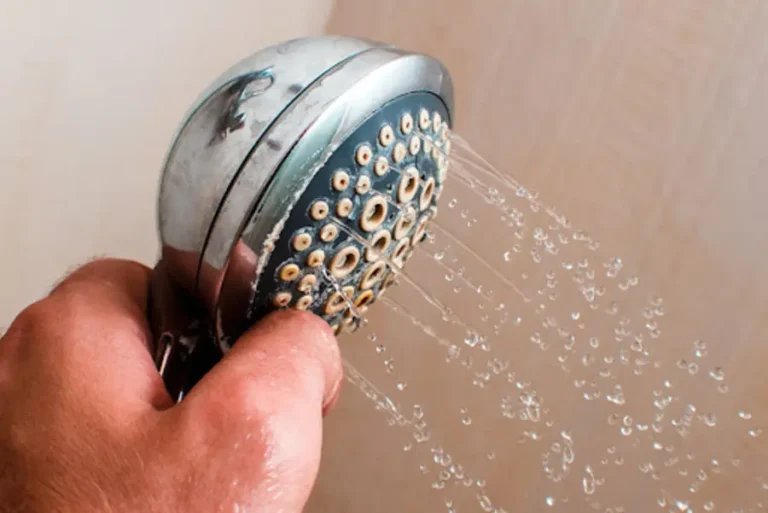
Hard water is a familiar frustration in many households. It contains dissolved calcium and magnesium, which can form deposits on showerheads, bathroom fixtures, kettles, and heating elements. You may also notice that soap doesn’t lather as easily or that freshly washed glassware looks spotted even after careful rinsing.
These problems aren’t always serious, but they can become tiresome. Cleaning the same marks every few days gets old quickly, and mineral buildup can affect water-using appliances over time.
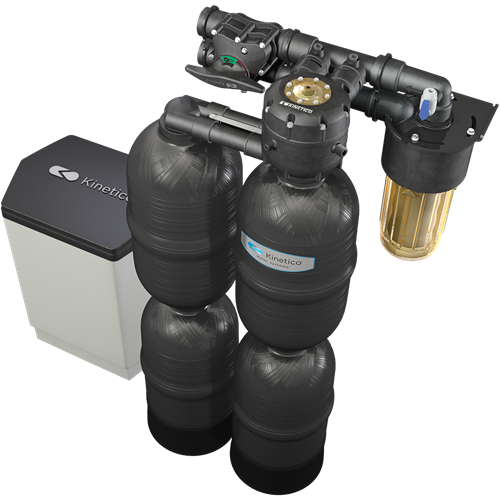
For households dealing with confirmed hardness, kinetico water softeners may be worth considering as part of a broader water treatment plan. Water softeners commonly use ion exchange to reduce calcium and magnesium, helping limit scale formation and making everyday cleaning more manageable. Kinetico offers water treatment equipment designed for different household requirements, although the most suitable model depends on your water conditions and usage.
Before choosing a system, consider the number of people in your home, daily water consumption, measured hardness, and the space available for installation. A system that’s too small may struggle to keep up with demand, while a larger unit than you need could add unnecessary expense.
It’s also sensible to ask about salt requirements, regeneration, servicing, and replacement parts. These practical details matter just as much as the initial purchase price.
Improving the Water You Drink and Cook With
Water used for drinking and cooking deserves its own attention. A glass of water may look clear and still contain substances that require treatment, while unpleasant taste doesn’t necessarily mean the water is unsafe. Appearance alone can’t establish water quality.
Different filtration technologies address different concerns. Activated carbon filters can improve taste and odour by reducing chlorine and certain organic compounds. Reverse osmosis systems can reduce many dissolved substances, depending on their design and verified performance. Other filters are intended for specific contaminants, so it’s important to check exactly what a product is designed to remove.
For families wanting a dedicated source of treated drinking water, kinetico drinking water systems are one option to investigate. The appropriate setup will depend on whether your main concern is taste, dissolved minerals, or a particular contaminant identified through testing. Look for clear performance information and independent certifications where available, rather than relying on broad claims about purity.
Think about convenience, too. Does the system fit beneath your kitchen sink? Will it supply enough water for cooking and drinking during busy mornings? Are replacement cartridges readily available? A system that’s easy to maintain is more likely to deliver consistent performance over the long term.
And remember, drinking water treatment doesn’t always need to involve a large, complicated installation. Sometimes a straightforward filter designed for a clearly identified problem is all a household needs.
When Ordinary Filtration Isn’t Enough
Some water problems require a more specialised approach. Iron and manganese may cause staining, certain contaminants need targeted removal, and water from a private source may require disinfection. Hardness, taste, sediment, and microbial safety are separate concerns, even when they occur in the same supply.
This is where kinetico specialty filtration may be relevant to homeowners whose water needs go beyond basic taste improvement or softening. Specialised treatment equipment can be selected to address particular water-quality challenges, but the correct technology depends on test results and the manufacturer’s documented capabilities.
For example, a sediment filter may capture visible particles without removing dissolved chemicals. A softener can reduce hardness but should not be treated as a general-purpose purifier. Likewise, a carbon filter designed to reduce chlorine taste won’t necessarily address bacteria or every potentially harmful substance.
If your water test identifies a specific concern, ask a qualified water treatment professional to explain the available options. They should be able to describe what the equipment removes, what remains in the water, and whether additional treatment or follow-up testing is needed.
That conversation can save money and prevent a common mistake: buying several pieces of equipment that don’t actually solve the problem.
Installation and Maintenance Make a Difference
Even good equipment needs proper care. Filters eventually reach their replacement interval, softeners need the appropriate supplies, and certain systems require regular inspection. Ignoring maintenance can reduce performance and, in some cases, create additional water-quality concerns.
Before installation, confirm that the equipment suits your home’s water pressure and expected demand. Make sure there’s enough room to access cartridges, valves, and other components. If the system connects to your main plumbing line, professional installation may help avoid leaks or flow problems.
Keep a simple record of service dates and filter changes. It’s an easy habit that prevents you from relying on memory months later. Also pay attention to sudden changes in taste, odour, water pressure, or staining. Such changes don’t automatically mean the treatment system has failed, but they deserve investigation.
Finally, consider the full cost of ownership. Include equipment, installation, replacement parts, servicing, electricity where required, and any consumables. The cheapest option isn’t always the most economical one over several years.
Choosing With Confidence
Better water doesn’t have to mean buying the most advanced equipment available. It means choosing a solution that fits your household, addresses a genuine concern, and can be maintained without unnecessary hassle.
Start with a reliable water test, compare treatment methods carefully, and ask practical questions before making a decision. If you’re unsure about a recommendation, seek a second opinion rather than feeling pressured to purchase immediately.
When the system matches your actual needs, the benefits can show up in ordinary moments: cleaner-looking dishes, less scale around fixtures, and drinking water that tastes the way you prefer. These may seem like modest improvements, but they add up.
A little research now can help you avoid wasted spending later. Understand your water first, choose thoughtfully, and make maintenance part of the plan. That’s a sensible way to build a home water treatment setup that continues to serve your family well.