You notice it while cleaning the bathroom. The sink has reddish marks around the drain, the bathtub looks stained even after scrubbing, and the water in a clear glass has a faint yellow tint. At first, it seems like an ordinary cleaning problem. You reach for a stronger product, scrub a little harder, and hope it won’t return next week.
But recurring stains can sometimes tell you something about the water flowing through your home. Minerals, sediment, aging plumbing, and changes in the water supply can all affect its appearance. The trick is understanding which signs deserve attention and which treatment options are likely to help.
Why Water Leaves Red, Brown, or Yellow Stains
One possible cause of discoloration is iron. Iron occurs naturally in soil and rock, and groundwater can pick it up as it travels through underground formations. In some areas, iron may also enter water through corroding pipes or plumbing components.
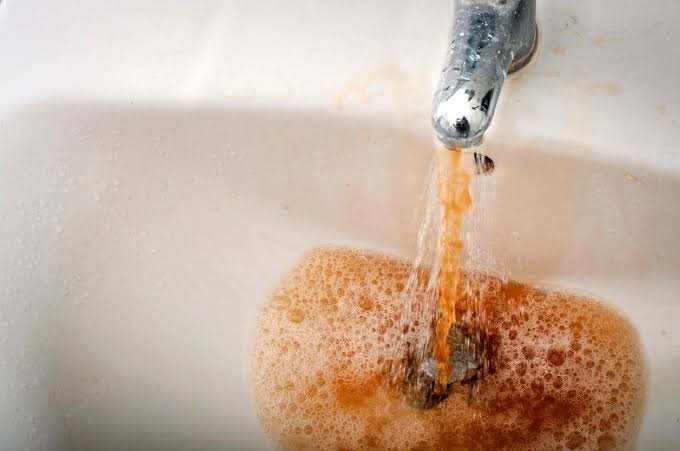
When iron reacts with oxygen, it can form particles that leave reddish-brown marks on sinks, toilets, laundry, and other surfaces. Some water may look clear when it first comes from the tap, then develop a rusty tint after standing for a while. Other supplies may appear yellow or orange immediately.
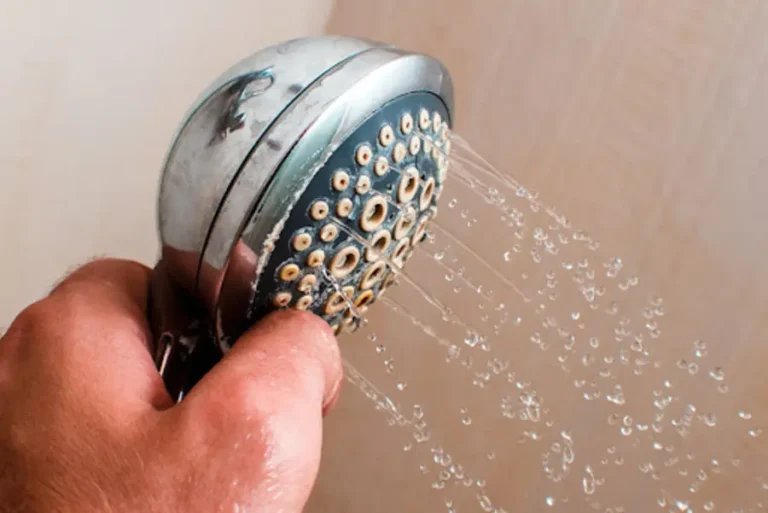
Persistent iron staining and discoloration can be frustrating because ordinary household cleaners don’t always prevent the marks from returning. Scrubbing may remove visible residue, but if the water continues to carry iron, new stains are likely to appear.
Iron isn’t the only possible explanation, however. Manganese can leave dark brown or black deposits, while sediment and corrosion can change water color in different ways. A rusty appearance may also follow water main repairs or work on nearby plumbing.
It’s worth observing when the problem occurs. Does it affect every faucet or only one? Does the discoloration disappear after running the water briefly, or does it continue throughout the day? These details can help a water professional investigate the cause, although appearance alone cannot confirm what is present.
When Discolored Water Needs Closer Attention
A gradual buildup of stains is one thing. A sudden change in the water supply deserves a little more caution.
If water becomes rusty, cloudy, or unusually colored without an obvious explanation, contact your water provider if you receive a public supply. Maintenance work, changes in flow, or disturbances in distribution pipes may sometimes cause temporary discoloration. If the change continues, the utility can advise whether further investigation is needed.
For households using private wells, changes in water appearance can point to a shift in groundwater conditions, sediment entering the system, or a problem with the well equipment. Heavy rainfall, flooding, and repairs are all reasons to consider whether additional testing is necessary.
Other signs may include a metallic taste, an unusual smell, visible particles, or changes in water pressure. None of these symptoms identifies a specific contaminant on its own, but a combination of changes can help guide the investigation.
Broader water quality concerns shouldn’t be judged by appearance alone. Some contaminants cannot be seen, tasted, or smelled, which means clear water isn’t automatically safe water. If people in the household experience unexplained symptoms, don’t assume the water is responsible, but do seek appropriate medical advice and investigate any credible water safety concerns.
Until the cause of a sudden or unexplained change is understood, follow guidance from your water supplier or local public health authority about whether the water is suitable for drinking and cooking.
Why Testing Is More Useful Than Guesswork
When stains keep returning, it can be tempting to buy the first filter advertised for rusty water. That approach sometimes works, but it can also waste money because treatment equipment is designed for different conditions.
Testing helps establish whether iron is present and, where appropriate, whether it is dissolved or present as particles. It may also identify manganese, hardness minerals, sediment, or other substances that affect water quality. The right testing panel depends on the source of the water and the symptoms being investigated.
Arranging professional water testing can be particularly helpful when discoloration is persistent, when a private well is involved, or when several water problems appear at once. A qualified provider can recommend suitable tests, collect samples correctly, and explain the results in practical terms.
Sampling technique matters. Some tests require a particular container, careful handling, or delivery to the laboratory within a specified period. A sample collected incorrectly may not provide a reliable picture of the water.
Home test kits can be useful for preliminary checks, depending on what they measure. However, they don’t replace laboratory analysis when accurate results are needed for a potential health concern. If the water comes from a public utility, review the supplier’s water quality report as well, while remembering that the report may not reflect conditions inside your home’s plumbing.
Choosing the Right Treatment for Iron and Sediment
Once testing identifies the cause, choosing treatment becomes much more straightforward. The most suitable system depends on the type and concentration of the substance, the amount of water used each day, and the design of the household plumbing.
For example, sediment filters can capture suspended particles, including some forms of rust. However, they generally won’t remove iron that remains dissolved in the water. Dissolved iron may require oxidation followed by filtration, or another treatment process selected for the specific water chemistry.
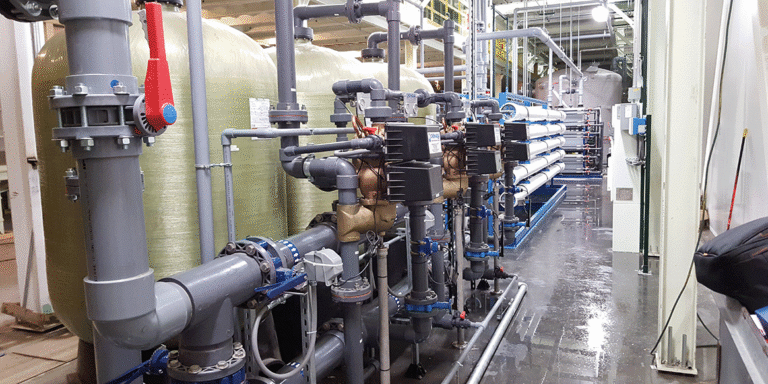
Some systems use aeration or chemical oxidation to convert dissolved iron into particles that can then be filtered out. Other treatment methods may be suitable for particular conditions. Water with both iron and manganese can require a more carefully selected system, since the two substances don’t always respond identically.
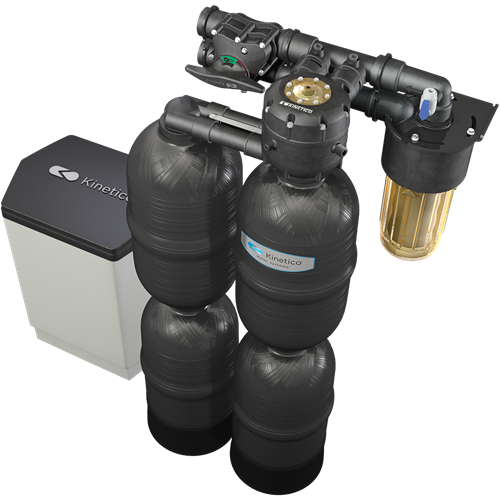
A conventional water softener can remove certain amounts of dissolved iron under appropriate conditions, but it isn’t the right solution for every iron problem. High iron concentrations or oxidized particles may interfere with its performance. Testing and professional advice can help prevent that mismatch.
Be cautious about products promising to remove every contaminant with a single cartridge. Check which substances the equipment is independently certified to reduce and whether its stated capacity matches your water conditions. A clear explanation of performance is more valuable than a long list of impressive-sounding features.
Don’t Forget the Plumbing Itself
Sometimes the source of discoloration is inside the home rather than in the incoming supply. Older plumbing, corroding fittings, a deteriorating water heater, or deposits inside pipes may contribute to rusty water.
If the problem appears at only one faucet, a local fixture or connecting pipe could be involved. If it affects multiple taps, the cause may be farther upstream. This isn’t a reliable diagnosis by itself, but it gives a plumber a useful starting point.
Water heaters also deserve attention if discoloration is mainly noticed when using hot water. Don’t open or dismantle equipment unless you’re qualified to do so. A licensed plumber can inspect the system and determine whether servicing or replacement is appropriate.
After repairs, continue monitoring the water. If the staining returns, further investigation may be necessary rather than repeating the same cleaning routine.
Keeping Water Quality Under Control
Water quality isn’t something most homeowners want to think about every week, and thankfully, they don’t have to. A sensible routine can make the process manageable: arrange appropriate testing, keep records of results, follow maintenance schedules, and investigate unexpected changes promptly.
Private well owners should follow local recommendations for regular testing and arrange additional checks after events such as flooding or well repairs. Households connected to public water can review utility reports and contact the provider when a sudden change occurs.
The goal isn’t to install the most complicated treatment system available. It’s to understand what the water contains and address the issue with equipment suited to the problem.
Discolored water may be caused by something relatively straightforward, such as sediment or iron deposits, but persistent changes deserve proper attention. With reliable test results and the right advice, you can reduce recurring stains, protect plumbing equipment, and make more confident decisions about the water your household uses every day.