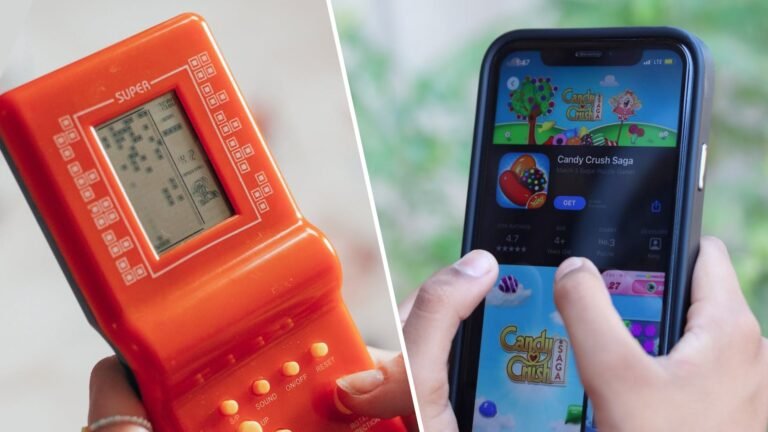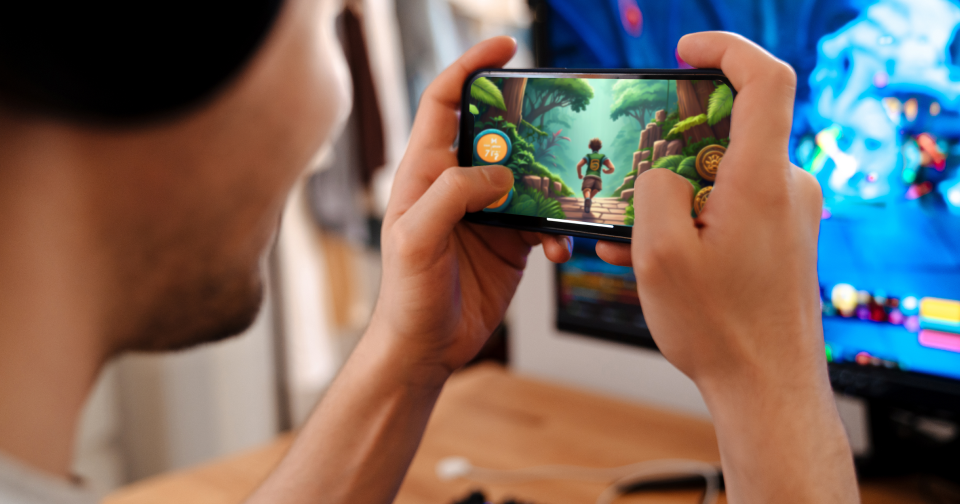
There’s a very specific kind of moment most smartphone users in India have experienced. You’re waiting for something—maybe a cab, maybe your tea—and you open a game. No login, no tutorial, no thinking too hard. Just tap, swipe, repeat. A few minutes pass, maybe more than you intended, and then you close it like nothing happened.
That’s the quiet magic of hyper-casual games.
They don’t ask for much. And that’s exactly why they work.
What Makes Hyper-Casual Games So… Addictive?
Hyper-casual games are built on simplicity. One mechanic, one goal, minimal friction. Anyone can pick them up within seconds. No steep learning curve, no complicated storylines.
It’s the kind of design that fits perfectly into modern life—short attention spans, constant distractions, and the need for quick breaks.
In India, where smartphones have become deeply embedded in daily routines, this format feels almost tailor-made. Whether it’s a student killing time between classes or a professional decompressing after work, these games slip in effortlessly.
The Pandemic Boost That Changed Everything
Let’s not ignore the obvious turning point. During the pandemic, mobile gaming in India saw a massive surge. People had time, access to cheap data, and a need for distraction.
Hyper-casual games benefited hugely from this. Downloads skyrocketed. New developers entered the space. Ad revenues followed.
But here’s the thing—pandemic trends don’t always sustain. And that brings us to the question many are asking now.
So, Is the Craze Fading or Evolving?
You’ll hear mixed opinions if you ask around. Some say the market is saturated. Others believe it’s just maturing.
And somewhere in that debate sits a very real question—Hyper-casual games ka craze India me sustain karega ya decline hoga?
The truth is, it’s not a simple yes or no.
The initial explosive growth? That’s definitely slowed. Users are more selective now. They’ve seen dozens—maybe hundreds—of similar games. The novelty factor isn’t what it used to be.
But decline? That might be too strong a word.
The Attention Economy Problem
One of the biggest challenges hyper-casual games face today is competition—not just from other games, but from everything else on your phone.
Short-form videos, social media, streaming platforms… they’re all fighting for the same slices of attention.
And let’s be honest, scrolling through reels often feels easier than even launching a game.
So developers are under pressure to create experiences that are not just simple, but instantly engaging. The first few seconds matter more than ever.
Monetization: The Double-Edged Sword
Most hyper-casual games rely heavily on ads. That’s been the model from the beginning—free to play, monetized through ad impressions.
But users are getting less tolerant of intrusive ads. Too many interruptions, and they’ll uninstall without a second thought.
This creates a tricky balance. Developers need revenue, but they can’t afford to frustrate users.
Some are experimenting with hybrid models—adding in-app purchases or slightly deeper gameplay to keep users engaged longer. It’s a subtle shift, but an important one.
India’s Unique Gaming Audience
India isn’t a one-size-fits-all market. What works in metro cities might not resonate in smaller towns, and vice versa.
Hyper-casual games have done well partly because they cut across language barriers. Simple mechanics don’t need translation.
But as the market evolves, there’s a growing appetite for localized content—games that reflect Indian culture, humor, and preferences.
Developers who tap into this might find a more loyal audience.
The Rise of “Almost Casual” Games
Interestingly, we’re seeing a gradual shift toward slightly more complex games—what some call “hybrid-casual” or “mid-core light.”
These games still retain the accessibility of hyper-casual titles but add layers—progression systems, rewards, maybe even a bit of narrative.
Why? Because users who start with hyper-casual games often look for something more engaging over time.
It’s like moving from short clips to full-length shows. The appetite evolves.
Can Hyper-Casual Games Still Thrive?
Yes—but probably not in the same way they did before.
The days of launching a simple game and expecting millions of downloads overnight are mostly behind us. The bar has been raised.
Now, success depends on:
- Better user retention
- Smarter monetization
- More creative concepts
- Stronger branding
In short, the space is getting more competitive—and more interesting.
A More Realistic Future
Hyper-casual games aren’t disappearing. They’re just settling into a more stable role within the broader gaming ecosystem.
They’ll continue to serve as entry points for new gamers. Quick entertainment options. A kind of digital snack—easy to consume, easy to put down.
But they’ll also need to evolve to stay relevant.
Final Thoughts
If you think about it, hyper-casual games reflect something deeper about how we live today. We want things fast, simple, and instantly satisfying.
That doesn’t change overnight.
So while the hype might cool down, the format itself still makes sense. It fits into the cracks of our day—the small, in-between moments we don’t always notice.
And as long as those moments exist, there will be room for games that fill them.
Maybe not louder than before. But still there.