Water is one of those everyday essentials we rarely stop to think about. We fill a glass without hesitation, brew our morning coffee, wash vegetables, start a load of laundry, and move on with the day. Because it looks clear, it’s easy to assume everything is fine. But water doesn’t always tell its story through appearance alone.
Many contaminants, minerals, and naturally occurring substances are completely invisible. They don’t change the color of your water or leave an obvious smell. Sometimes the only clues are subtle—a strange taste, soap that won’t lather properly, mineral buildup on faucets, or appliances that seem to wear out faster than expected.
That’s why understanding your home’s water isn’t just about safety. It’s about comfort, efficiency, and making informed decisions that benefit your family for years to come.
Every Water Source Is Different
One of the biggest misconceptions homeowners have is believing everyone’s water is basically the same. In reality, that’s rarely true.
Municipal water systems vary from city to city, and private wells can differ dramatically even between neighboring properties. Local geology, plumbing materials, seasonal weather, groundwater movement, and aging infrastructure all influence what eventually reaches your tap.
Because of these differences, one household may struggle with hard water while another deals with elevated iron levels or sediment. Without proper evaluation, it’s almost impossible to know exactly what’s affecting your home.
Why Professional Testing Matters
Home test strips can provide basic information, but they only scratch the surface. If you’re serious about understanding your home’s water, professional water testing offers a much more complete picture.
Experienced technicians evaluate important factors such as hardness, pH balance, dissolved minerals, chlorine, bacteria, nitrates, and other contaminants that may influence your drinking water or household plumbing.
Instead of relying on assumptions, homeowners receive measurable results they can actually use. That knowledge becomes the foundation for making smart decisions about filtration, treatment, and long-term maintenance.
Perhaps more importantly, professional testing provides peace of mind. Knowing what’s in your water is always better than wondering.
Looking Beyond the Surface
Clear water isn’t always clean water.
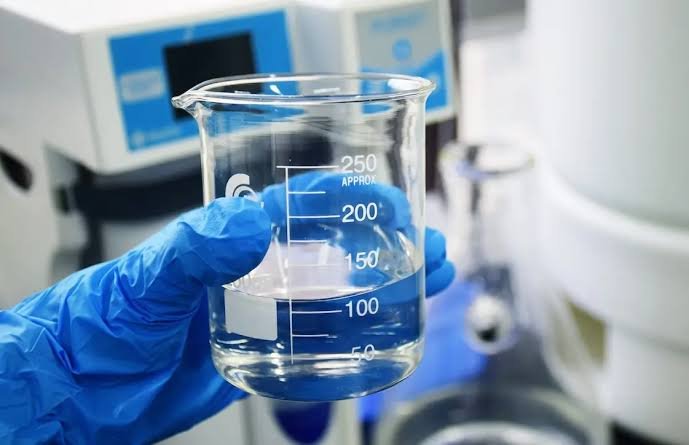
Some contaminants are completely invisible, while others exist in concentrations too small to notice without specialized equipment. That’s where certified lab analysis becomes especially valuable.
Laboratory testing can identify substances that basic home kits simply cannot detect with the same level of accuracy. Whether the concern involves naturally occurring minerals, bacteria, heavy metals, or other water quality indicators, laboratory results provide dependable information that helps eliminate uncertainty.
For homeowners using private wells, this level of testing is particularly important because responsibility for monitoring water quality rests with the property owner rather than a municipal provider.
Small Problems Often Grow Quietly
Many water-related issues develop gradually.
Hard water slowly coats pipes with mineral deposits. Iron creates staining that worsens over time. Sediment accumulates inside appliances. Even minor water imbalances can shorten the lifespan of water heaters, washing machines, and dishwashers without creating obvious warning signs.
That’s one reason routine testing makes so much sense. Detecting small concerns early often prevents expensive repairs later.
Think about routine maintenance for your vehicle. Most people don’t wait until the engine fails before checking the oil. Water deserves the same practical approach.
Better Water Improves Daily Living
The benefits of cleaner, properly balanced water extend far beyond drinking.
Showers feel more refreshing. Hair often becomes easier to manage. Skin may feel less dry after bathing. Dishes come out cleaner, and glassware develops fewer water spots. Laundry stays softer, brighter, and lasts longer because minerals aren’t constantly building up within fabrics.
Even cooking changes. Tea, coffee, soups, and pasta all rely on water as a primary ingredient. Better water often produces better flavor.
Many homeowners don’t realize how much water influences everyday comfort until they’ve experienced the difference themselves.
Choosing the Right Treatment
Not every household needs the same equipment.
Some homes benefit from a simple sediment filter, while others require water softeners, reverse osmosis systems, carbon filtration, UV purification, or specialized contaminant removal equipment.
That’s why customized water solutions are so important. Rather than purchasing equipment based on advertisements or general recommendations, homeowners can choose systems designed specifically for their water conditions.
Customized treatment avoids unnecessary expenses while delivering better long-term results. Instead of treating symptoms, you’re addressing the actual source of the problem.
Water Quality Changes Over Time
Another common misconception is that testing once is enough forever.
Water conditions naturally change. Heavy rainfall, drought, nearby construction, seasonal groundwater movement, aging plumbing, or updates to municipal treatment systems can all influence household water over time.
Scheduling periodic evaluations allows homeowners to stay informed as those conditions evolve.
Routine monitoring isn’t about expecting problems. It’s about maintaining confidence that your home’s water continues meeting your family’s needs.
An Investment That Pays Off
Improving water quality isn’t simply another home improvement project—it’s an investment in your property and daily comfort.
Well-maintained water treatment systems often help appliances last longer, reduce maintenance costs, improve plumbing efficiency, and minimize scale buildup throughout the home.
The financial benefits accumulate gradually through fewer repairs, lower replacement costs, and better-performing household equipment. At the same time, families enjoy cleaner water for drinking, cooking, bathing, and everyday use.
Those improvements may not grab headlines, but they certainly make life easier.
Final Thoughts
Water quietly touches nearly every part of daily life. From the first cup of coffee in the morning to the last load of dishes before bed, it’s something we depend on constantly without giving it much thought.
Taking the time to understand what’s actually flowing through your home’s plumbing is one of the smartest decisions any homeowner can make. Professional evaluation provides accurate information, removes uncertainty, and helps you make informed choices instead of relying on guesswork.
Whether your goal is protecting your family’s health, improving appliance performance, or simply enjoying cleaner, better-tasting water, everything begins with understanding your water first.
When you know what’s in your water, every decision that follows becomes easier—and your home is better for it.