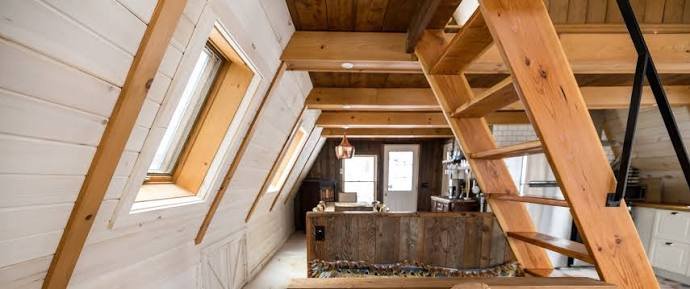
A comfortable home isn’t always about the big things. You don’t necessarily need a new kitchen, designer furniture, or an expensive renovation to make a noticeable difference. Sometimes, it’s the awkward little details that affect daily life more than you’d expect.
The storage area that’s difficult to reach. The sunny window that makes one room unbearably warm in the afternoon. The dusty, chipped trim you’ve stopped noticing because you’ve lived with it for years.
Fixing these details can make a home feel more practical without turning your life upside down. And that’s really the beauty of thoughtful home improvement—it doesn’t always have to be dramatic.
Making Attic Access Safer and Easier
Attics are useful spaces, but getting into them can be a bit of an adventure. Dragging a heavy ladder from another room every time you need a suitcase or holiday decoration isn’t exactly convenient.
Properly fitted attic ladders can make attic access considerably easier. They provide a dedicated way to move between the living space and attic while taking up very little room when folded away.
Safety is the important part, though. The ladder should be suitable for the ceiling height, securely attached, and appropriate for the expected weight. The surrounding hatch should also close properly, particularly if the attic is insulated.
Before choosing a ladder, measure the opening and floor-to-ceiling height carefully. Don’t rely on guesswork. A few minutes with a measuring tape can save you from buying something that simply doesn’t fit.
Keeping Outdoor Spaces More Comfortable
Outdoor areas can be wonderful, until the afternoon sun turns them into an oven.
That’s where awnings can be useful. Installed over windows, doors, patios, or other outdoor areas, they can provide shade and make exterior spaces more enjoyable.
Awnings can also help reduce the amount of direct sunlight entering certain rooms. Depending on the material, orientation, and installation, this may contribute to better indoor comfort during warmer months.
There’s a practical side to choosing an awning, too. Consider how much coverage you actually need, whether the structure can support the installation, and how weather conditions affect the area.
A small awning over a frequently used doorway can be surprisingly handy during both hot afternoons and light rain.
Baseboards Do More Than Finish a Wall
Baseboards—or skirting boards, depending on where you live—are easy to overlook. They’re usually sitting quietly at floor level, doing their job without asking for much attention.
But baseboards serve both practical and visual purposes. They can help protect the lower part of walls from furniture bumps, vacuum cleaners, mops, and everyday foot traffic. They also create a cleaner transition between the wall and floor.
Damaged or poorly fitted baseboards can make an otherwise nice room look unfinished.
When replacing them, accurate measurements matter. Corners may not be perfectly square, especially in older homes. Small gaps can become obvious once the trim is painted, so careful cutting and fitting are worth the extra time.
Small Improvements Can Solve Daily Annoyances
One of the best ways to approach home improvement is to pay attention to recurring frustrations.
Do you constantly struggle to reach storage? Improve the access.
Does one room become too bright or hot during certain hours? Look at shading options.
Does the wall trim look worn every time you walk past it? Replace or refresh it.
These aren’t glamorous projects, perhaps, but they’re meaningful because you experience the results repeatedly.
A five-minute inconvenience repeated every day adds up. Fixing it once can remove that annoyance for years.
Measure First, Buy Second
It’s tempting to shop for a product immediately after deciding what you want to improve. But home projects rarely reward guesswork.
Take measurements. Check the available space. Look at the surrounding materials. Consider whether there are electrical cables, plumbing lines, structural elements, or other obstacles nearby.
This is particularly important for anything mounted to a wall, ceiling, or exterior surface.
If you’re uncertain, professional advice can be worthwhile. A good installer can identify issues that aren’t obvious to someone seeing the project for the first time.
Don’t Ignore Weather and Local Conditions
Outdoor home improvements need to account for the environment.
Strong sunlight, wind, rain, humidity, and seasonal temperature changes can affect materials and hardware. Something that works perfectly in one setting may not be the best choice somewhere with very different conditions.
This applies to awnings, exterior trim, doors, roofing accessories, and other outdoor installations.
Choose materials designed for the conditions they’ll actually face. It may cost slightly more initially, but replacing unsuitable materials every few years is rarely a bargain.
DIY Has Its Place
There’s nothing wrong with doing smaller home projects yourself. In fact, many people enjoy learning new skills and working with their hands.
Painting trim, replacing simple decorative elements, or assembling certain household products can be perfectly manageable with patience and basic tools.
The important word is simple.
When a project involves structural support, difficult access, electrical work, or significant exterior modifications, it’s sensible to get professional help. A tutorial video can show you what a finished project looks like, but it doesn’t know what is hiding behind your wall.
Know where your limits are.
Think About the Finished Result
A common home improvement mistake is focusing only on the individual product.
Instead, think about how the finished project will look and function as part of the room or property.
Will the new trim match the existing style? Will the awning provide enough shade without blocking useful light? Will the attic access be convenient for the people who actually use it?
These questions seem small, but they’re what turn a purchase into a genuinely useful improvement.
The Best Improvements Often Go Unnoticed
There’s something almost funny about successful home improvement. When it’s done well, nobody thinks about it.
The attic ladder is simply there when you need it. The awning makes a sunny afternoon more comfortable. The baseboards quietly protect the walls and make the room look finished.
That’s the point.
A good home should support your routines rather than make them harder. You don’t need to change everything at once. Start with the things that bother you repeatedly, improve them thoughtfully, and move on to the next.
Over time, those small changes add up.
And eventually, you may find that your home doesn’t just look better—it feels easier to live in.