Some household problems are easy to notice. A dripping faucet, a broken water heater, or a washing machine that suddenly refuses to spin tends to get attention pretty quickly.
Water-related problems can be different. They often develop quietly. A thin white ring appears around the faucet. Glasses look cloudy after washing. The showerhead slowly becomes covered in crusty material. Nothing seems urgent, but after a while, you’re wondering why cleaning the bathroom has become such a chore.
In many homes, the culprit is hard water and the minerals it carries. Understanding what those minerals do can make it easier to protect your plumbing, appliances, and everyday comfort.
What Causes Scale Buildup?
Hard water contains naturally occurring minerals, mainly calcium and magnesium. As water moves through plumbing and gets heated or evaporates, some of those minerals can be left behind.
Over time, scale buildup may appear on faucets, showerheads, pipes, appliances, and other surfaces that regularly come into contact with water.
You might notice a chalky layer around a tap or reduced water flow from a showerhead. These aren’t just cosmetic annoyances. Heavy buildup can interfere with equipment performance and make cleaning much more difficult.
The frustrating part is that scale doesn’t usually appear overnight. It gradually becomes part of the house until someone finally says, “Why does this look like this?”
Mineral Deposits Can Be Everywhere
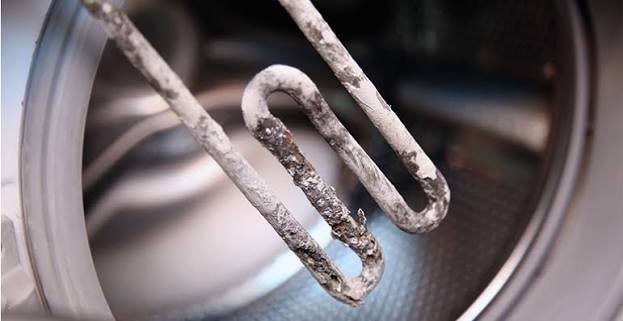
The same minerals responsible for scale can create mineral deposits inside water-using appliances and plumbing components.
Water heaters are a common example. When minerals accumulate around heating elements or inside the tank, the equipment may have to work harder to transfer heat effectively.
Dishwashers, coffee makers, humidifiers, and washing machines can also be affected depending on the water conditions and how frequently they’re used.
This doesn’t mean hard water automatically ruins appliances. Maintenance and equipment quality matter. Still, if deposits keep returning despite regular cleaning, it may be worth looking at the water itself rather than constantly treating the symptom.
Why Hard Water Can Be Frustrating
The effects of hard water aren’t limited to plumbing.
Many people notice that soap doesn’t lather as easily. Shampoo can feel different, and freshly washed clothes may seem less soft. Shower doors can collect spots that require repeated scrubbing.
For someone who enjoys keeping a home spotless, this can become surprisingly annoying.
You clean the glass. Two days later, there are spots again.
You scrub the faucet. A few showers later, the white residue returns.
It’s not necessarily because you’re doing something wrong. The water itself may be leaving those minerals behind.
What Soft Water Changes
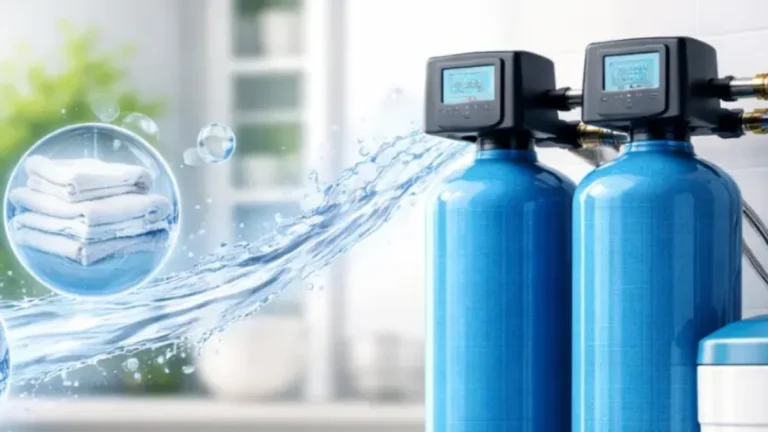
When a home uses soft water, the amount of hardness-causing calcium and magnesium is reduced through a water-softening process.
For many households, the difference becomes noticeable in everyday tasks. Soap and shampoo may lather more easily, fixtures can be easier to clean, and mineral scale may be reduced.
Softened water can also help limit the amount of hardness-related buildup inside certain water-using appliances.
That said, softening isn’t a universal answer to every water-quality concern. A softener primarily addresses hardness. If your water has other issues, such as sediment, odors, or specific contaminants, additional treatment may be appropriate.
How Appliances Can Benefit
Think about how often your water heater works. Every shower, load of laundry, and dishwasher cycle depends on hot water in some way.
When mineral deposits accumulate, they can interfere with equipment over time. Water heaters are particularly worth watching because they regularly heat water, which can encourage mineral precipitation.
Regular maintenance remains important even if you have softened water. Treatment can reduce certain problems, but it doesn’t eliminate the need to clean and inspect appliances according to their manufacturer’s recommendations.
A little prevention is usually less painful than a surprise repair bill.
Protecting Faucets and Fixtures
Bathroom and kitchen fixtures are often where hard water becomes most visible.
A faucet may develop white crust around its base. Showerheads can become partially blocked by mineral residue, affecting the spray pattern. Glass shower doors can collect stubborn spots that seem to return almost immediately after cleaning.
Regular cleaning helps, but changing the underlying water conditions can be more effective when hardness is significant.
If you already use a softener and still notice heavy scale, it may be worth checking whether the system is properly sized, maintained, and functioning as expected.
Testing Is Better Than Guessing
It’s easy to assume that hard water is the problem whenever you see white residue. But not every water-quality issue is caused by hardness.
Testing can help determine the actual mineral content and identify whether another concern may be involved.
This is particularly useful before purchasing treatment equipment. Instead of choosing a system because it sounds impressive, you can select technology based on what your water actually needs.
In other words, test first, shop second.
It may save you from buying equipment that solves a problem you don’t really have.
Simple Habits Can Help
Even with hard water, a few everyday habits can make cleaning easier.
Wipe faucets and shower surfaces dry when possible. Clean showerheads periodically. Follow appliance maintenance instructions, and don’t ignore visible deposits.
If you have a water softener, keep up with its recommended maintenance. Check settings, salt levels where applicable, and overall performance.
None of these tasks take much time individually. The trick is doing them before the buildup becomes a major project.
A More Comfortable Home Doesn’t Have to Be Complicated
Hard water is one of those household issues that can seem insignificant until you live with it every day.
The good news is that understanding the cause gives you options. You can test your water, identify the level of hardness, maintain your appliances, and consider softening if it makes sense for your home.
The goal isn’t to create some perfectly engineered house where every drop of water is analyzed. It’s much simpler than that.
You want faucets that stay cleaner, appliances that are easier to maintain, and everyday chores that don’t feel harder than they need to be.
Sometimes, better water isn’t about making a dramatic change. It’s just about removing one small source of frustration from your daily routine.