Most people don’t think about their water until something seems off. Maybe the morning coffee tastes a little strange. Perhaps the shower leaves your skin feeling dry, or there are white spots covering the kitchen faucet again. These things seem minor at first, but after a while, they become part of the daily routine — and not in a good way.
Good water treatment isn’t about making water complicated. It’s about understanding what’s coming into your home and finding a sensible way to improve it. The right system can make drinking water more enjoyable, protect household appliances, and reduce those annoying mineral deposits that seem to appear overnight.
Water Quality Starts With Knowing Your Water
Before buying treatment equipment, it helps to understand what you’re actually dealing with.
Water quality can vary based on its source, local geology, plumbing, and treatment processes. Municipal water and private well water can have very different characteristics, and even neighboring homes may not experience exactly the same issues.
Some households mainly notice chlorine taste. Others deal with hardness, iron staining, sulfur odors, sediment, or unpleasant taste.
Testing the water can provide a clearer picture. Instead of choosing a system because it sounds impressive, you’ll have useful information to guide the decision.
And honestly, that’s usually the less expensive approach in the long run.
Why Water Purifiers Are Worth Considering
Modern water purifiers come in many shapes and sizes, from simple under-sink units to more advanced whole-house treatment systems.
The important thing is understanding what a particular purifier is designed to do. Some systems focus on taste and odor, while others are designed to reduce specific contaminants. Reverse osmosis systems, activated carbon filters, UV treatment, and other technologies each have their own strengths.
There isn’t one universal machine that solves every water problem.
For example, a homeowner dealing mainly with chlorine taste may need a very different solution from someone concerned about high mineral content or private-well contamination.
That’s why matching the technology to the water matters more than simply buying the most expensive system available.
The Difference Better Water Can Make
We tend to notice water quality in small moments.
You make coffee and suddenly realize it tastes cleaner. You wash your hair and it feels different. The shower glass doesn’t collect as much stubborn residue. The ice cubes taste fresher.
These aren’t dramatic changes, but they can make everyday life a little nicer.
For many homeowners, great tasting water is one of the first benefits they notice after installing an appropriate filtration or purification system. When unpleasant tastes and odors are reduced, people often find themselves drinking more tap water instead of reaching for bottled water.
That’s convenient, too. Less hauling bottles home. Less plastic waste. And no empty cases sitting around the kitchen.
What Is Conditioned Water?
The phrase conditioned water can mean different things depending on the treatment approach, but generally it refers to water that has been treated or altered to improve certain characteristics.
Water conditioning is often associated with hardness reduction, mineral management, or systems designed to address specific water-quality concerns.
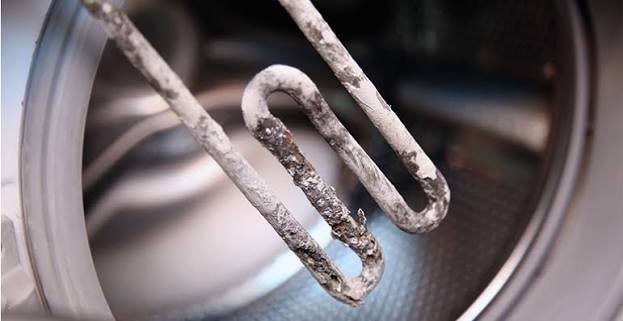
Hard water, for instance, contains minerals such as calcium and magnesium. These minerals can create scale inside plumbing and appliances and leave residue on fixtures.
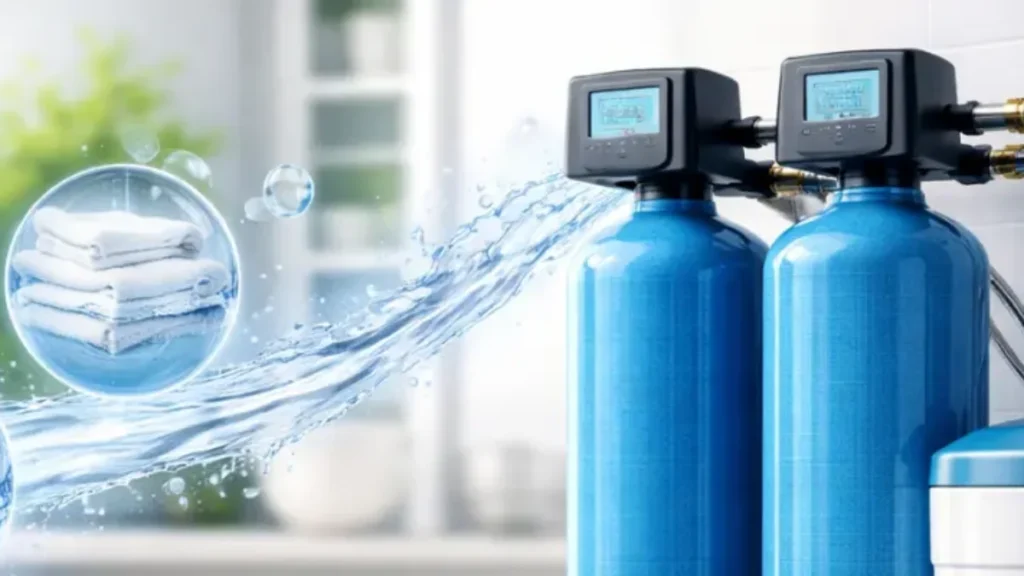
A properly selected water softener or conditioning system can help reduce these effects, making cleaning easier and potentially helping protect water-using appliances.
However, conditioning isn’t the same thing as purification. A softener is designed for a particular job and shouldn’t automatically be expected to remove every contaminant.
Understanding that difference is important when comparing systems.
Whole-House Treatment vs. Drinking Water Systems
One of the biggest choices homeowners face is deciding where treatment should happen.
A point-of-use system treats water at a particular faucet, often in the kitchen. This can make sense when your main goal is improving drinking and cooking water.
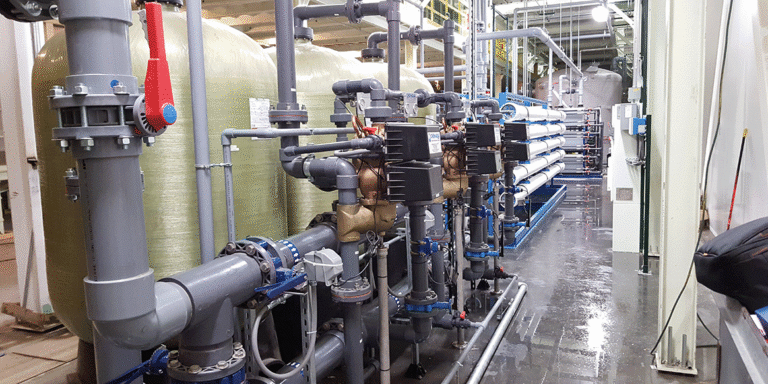
A whole-house system treats water as it enters the property. That means treated water can be available at showers, bathroom faucets, laundry areas, and appliances throughout the home.
Neither approach is automatically better.
If your concern is mainly drinking water taste, a kitchen system may be enough. If you’re dealing with hard water or widespread odor and sediment issues, whole-house treatment may make more sense.
Don’t Ignore Maintenance
A common mistake is thinking that once a treatment system is installed, the job is finished.
It isn’t.
Filters need replacement. Softener systems may require salt or other maintenance. Reverse osmosis membranes have a limited lifespan. UV systems require periodic attention.
Skipping these tasks can reduce performance and, depending on the system, create other issues.
A simple maintenance calendar can help. Write down the installation date, keep replacement filters available, and follow the manufacturer’s service recommendations.
It doesn’t take much effort, but it can keep the system working as intended.
Professional Water Testing Can Save You Guesswork
Online shopping makes it incredibly easy to purchase a water filter in five minutes. The harder part is knowing whether that filter actually addresses your problem.
Professional water testing can identify characteristics such as hardness, pH, iron, sulfur, sediment, and other factors. That information helps narrow down the appropriate treatment technology.
A qualified water professional can also consider your household’s water usage, plumbing setup, and long-term needs.
That’s valuable because the best treatment system isn’t necessarily the one with the longest list of features. It’s the one that solves your particular problem without adding unnecessary complexity.
A Smarter Approach to Better Water
Improving your home’s water doesn’t have to become a huge project.
Start by paying attention to what you’re noticing. Strange taste? Mineral deposits? Odor? Staining? Then test the water and learn what may be causing the issue.
From there, choose a treatment method that matches the results.
The goal isn’t to chase some impossible idea of “perfect” water. It’s to create water that is cleaner, more enjoyable, and better suited to the needs of your household.
And sometimes, the best sign that your water treatment is working is that you stop thinking about it altogether. You simply turn on the tap, fill your glass, and enjoy the water — exactly as it should be.