If you’ve ever stood outside a coaching institute in Kota or Delhi around evening time, you know the scene. Students spilling out, backpacks heavy, minds probably heavier. There’s a certain intensity to it—almost a ritual. For decades, this has been the backbone of India’s competitive exam culture.
Then came online learning. Quietly at first, then all at once during the pandemic. Suddenly, classrooms moved into bedrooms, teachers became thumbnails on screens, and learning started to feel… different. Convenient, yes. But also a bit distant.
Now, as things settle, a new model is emerging—not entirely offline, not purely online. Something in between.
The Rise of Hybrid Learning
Hybrid coaching isn’t just a buzzword anymore. It’s becoming a practical solution to a very real problem—how to balance accessibility with effectiveness.
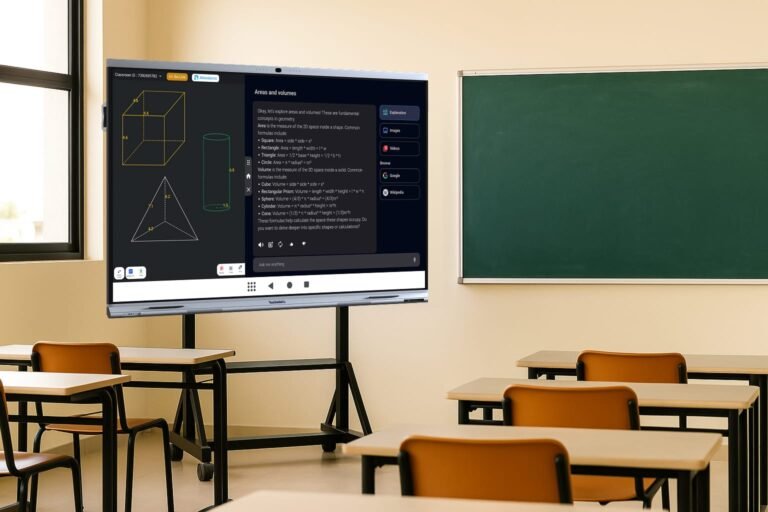
In simple terms, hybrid models combine online lectures with offline support. Students might attend live classes from home but visit centers for doubt sessions, tests, or mentoring. It’s flexible, but still grounded.
And honestly, it feels like a natural evolution. Because neither extreme—fully offline or fully online—seems to work perfectly for everyone.
Why Pure Online Learning Fell Short for Some
Let’s be honest. Online coaching opened doors, especially for students in smaller towns. Suddenly, top educators were just a click away. No relocation, no hostel expenses, no overwhelming city life.
But over time, cracks started to show.
Distractions at home. Lack of discipline. That feeling of being just another name in a chat box. Not every student thrives in that environment. Some need structure, routine, even a bit of pressure.
And perhaps most importantly, they need human interaction. A teacher noticing when you’re confused. A friend sitting next to you, equally stressed before a test. These things matter more than we admit.
Offline Coaching Still Has Its Strengths
Traditional coaching centers, despite their flaws, offer something online platforms struggle to replicate—immersive focus.
You show up, you sit down, and for those few hours, it’s all about studying. No notifications, no distractions (well, fewer at least). There’s a rhythm to it.
But it comes at a cost—literally and emotionally. Moving to a new city, adjusting to a new lifestyle, dealing with pressure—it’s not easy. Not every family can afford it, and not every student can handle it.
So, Is Hybrid the Sweet Spot?
This brings us to the question that’s quietly gaining traction:
Hybrid coaching models (online + offline) kya future hain India me?
It certainly looks that way.
Hybrid models try to take the best of both worlds. The flexibility of online learning combined with the discipline and support of offline systems. You can attend lectures at your own pace, revisit recordings, and still have access to physical centers when you need guidance.
It’s not perfect, but it’s closer to what many students actually need.
How Coaching Institutes Are Adapting
What’s interesting is how quickly coaching institutes are evolving. Even traditional giants are now offering hybrid options. Recorded lectures, app-based tests, online doubt-solving—it’s all becoming standard.
At the same time, edtech platforms are opening physical centers. It’s almost like both sides are meeting in the middle.
And that tells you something. When two very different models start blending, it usually means the middle ground works.
The Role of Technology (Without Overdoing It)
Technology, when used right, can enhance learning without overwhelming it.
AI-based performance tracking, personalized study plans, adaptive testing—these are valuable tools. But they’re just that—tools. Not replacements for teachers or mentors.
Hybrid coaching seems to understand this balance better. It uses tech to support learning, not dominate it.
And that makes a difference.
Challenges That Can’t Be Ignored
Of course, hybrid models aren’t a magic fix.
Consistency can still be an issue. Students might skip offline sessions or procrastinate on online content. Managing both formats requires discipline, and not everyone has it naturally.
There’s also the question of quality. Not all hybrid programs are well-designed. Some are just online courses with a few offline add-ons, which doesn’t really solve the core problem.
So, execution matters. A lot.
A Shift in Student Mindset
One subtle but important change is happening among students themselves. They’re becoming more aware of how they learn best.
Some prefer watching lectures at night. Others need early morning classes to stay focused. Hybrid models allow for that kind of personalization.
And maybe that’s the real advantage—not just combining formats, but adapting to individual needs.
Final Thoughts
India’s coaching culture isn’t disappearing. It’s evolving.
The black-and-white choice between online and offline is slowly fading, replaced by something more flexible, more nuanced. Hybrid coaching might not be the final answer, but it’s definitely a step in the right direction.
Because at the end of the day, learning isn’t about where you sit. It’s about how well you understand.
And if a mix of screens and classrooms can make that easier, then maybe it’s worth embracing.