Every Home Has a Different Water Story
Water is one of those things we tend to take for granted until it gives us a reason not to. Maybe your coffee suddenly tastes different. Maybe your shower leaves your skin feeling dry, or your glasses come out of the dishwasher covered in cloudy spots. They’re small annoyances on their own, but together they start telling a story.
The truth is, no two homes have identical water. Even neighbors living on the same street can experience noticeable differences depending on plumbing materials, water sources, household usage, or local infrastructure. That’s why choosing a treatment solution isn’t simply about buying the most expensive filter on the shelf. It’s about understanding what your water actually needs.
A little knowledge goes a long way, and once you understand what’s flowing through your pipes, finding the right solution becomes much less overwhelming.
Water Quality Isn’t Always Visible
One of the biggest misconceptions about drinking water is that if it looks clear, it’s perfectly fine. Clear water can still contain minerals, chlorine, sediment, dissolved metals, or compounds that affect taste and odor.
Sometimes the signs are subtle. Soap refuses to lather properly. Appliances develop scale buildup faster than expected. Ice cubes taste strange. White residue starts appearing around faucets.
These changes don’t necessarily mean your water is unsafe, but they do suggest that it’s carrying something extra. Rather than guessing, many homeowners choose to begin with professional testing. A detailed water analysis removes the uncertainty and provides a much clearer picture of what’s happening.
Once you know the results, every decision afterward becomes easier.
Why Filtration Isn’t One-Size-Fits-All
Walk into any home improvement store and you’ll find dozens of filters promising cleaner, healthier water. While many products work well, they don’t all solve the same problems.
Some filters are designed to improve taste. Others target sediment, chlorine, iron, sulfur, lead, or hardness. Choosing the wrong technology often leads to disappointment because the actual issue remains untreated.
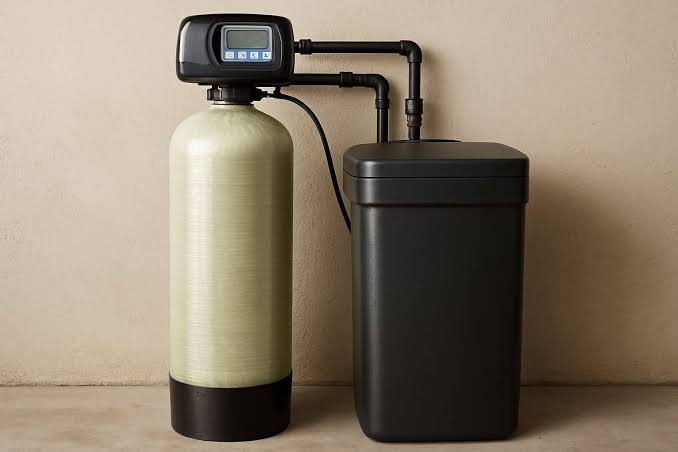
Modern water filtration systems are available in many different configurations, each built to address specific water conditions. That’s why professionals often recommend selecting equipment based on laboratory results instead of advertisements or online reviews.
What works perfectly for one household may accomplish very little in another.
Looking Beyond the Kitchen Sink
It’s easy to focus only on drinking water, but water quality affects much more than what comes out of the kitchen faucet.
Think about your washing machine, dishwasher, water heater, coffee maker, showers, toilets, and even outdoor plumbing. Every gallon entering your home interacts with appliances, fixtures, clothing, dishes, and your plumbing system itself.
Hard minerals can shorten appliance lifespan. Sediment can clog fixtures. Chlorine may contribute to dry skin and faded laundry over time.
When homeowners consider the bigger picture, treating the entire home’s water supply often makes more sense than filtering only a single faucet.
Why More Families Choose Whole-Home Solutions
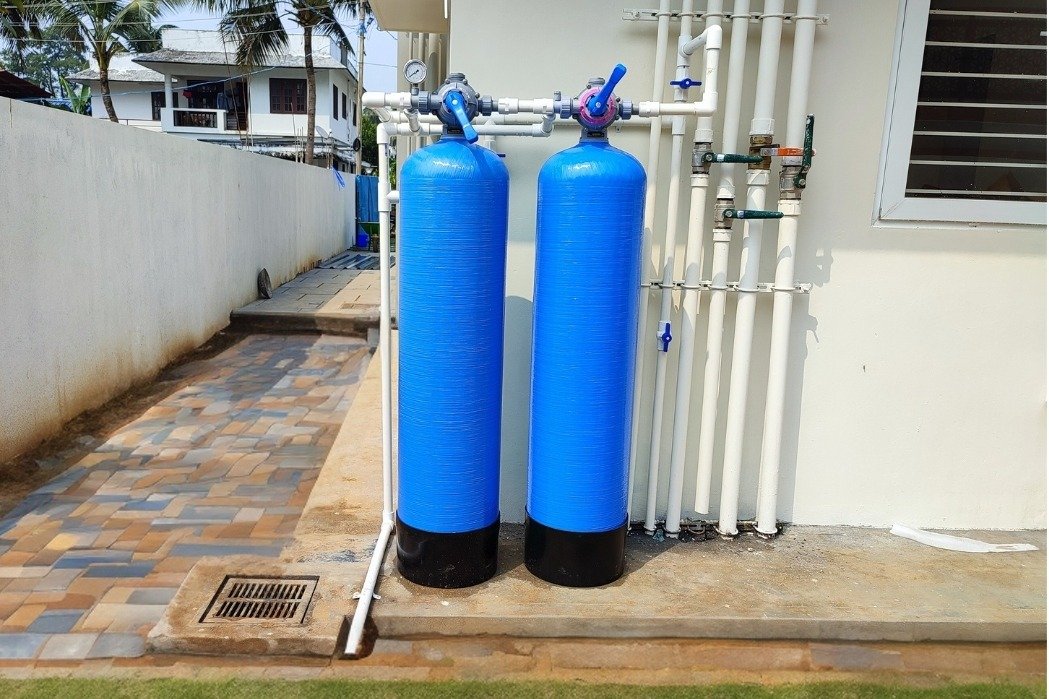
Instead of installing multiple filters throughout the house, many homeowners prefer whole house filtration because it protects every water source under one system.
That means cleaner water reaches every shower, bathroom sink, washing machine, and kitchen faucet simultaneously. Rather than solving one problem in one location, it creates a consistent water experience throughout the entire property.
Whole-home systems can also reduce maintenance on appliances by minimizing sediment and mineral buildup before water even enters household plumbing.
For larger families or homes with high water usage, that added convenience often becomes just as valuable as the improved water quality itself.
The Importance of Professional Water Testing
Buying treatment equipment without testing your water is a little like purchasing prescription glasses without having an eye exam.
You might get lucky—but probably not.
Water testing helps identify important characteristics such as:
- Hardness levels
- Iron content
- Manganese
- Chlorine concentration
- Sulfur compounds
- pH balance
- Total dissolved solids
- Bacteria when appropriate
With accurate information, homeowners avoid unnecessary equipment while investing in systems that solve real problems rather than imagined ones.
Testing removes guesswork, and that’s often the smartest investment of all.
Every Household Has Different Priorities
Some families are primarily concerned about drinking water quality.
Others want softer water for bathing, cleaner dishes, or longer-lasting appliances. Homes with private wells may face completely different challenges than homes connected to municipal water supplies.
This is where customized water treatment becomes especially valuable. Instead of installing generic equipment, homeowners receive solutions tailored specifically to their water chemistry, household size, daily water usage, and long-term goals.
That personalized approach usually delivers better performance while avoiding unnecessary costs.
After all, effective treatment isn’t about adding more equipment—it’s about adding the right equipment.
Maintenance Is Part of the Process
Even the best filtration system isn’t something you install and forget forever.
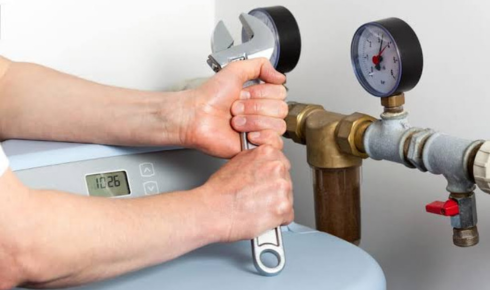
Filter cartridges eventually reach capacity. Treatment media wears down. Water softeners require occasional maintenance. UV systems need lamp replacement. Reverse osmosis membranes have recommended service intervals.
Fortunately, most maintenance is straightforward when performed regularly.
Ignoring service schedules, however, can gradually reduce performance until water quality begins slipping again without homeowners immediately noticing.
Routine inspections help ensure your investment continues delivering the results you expected.
Cleaner Water Supports Everyday Living
People often think of water quality only in terms of drinking, but it quietly affects nearly every part of daily life.
Better water can improve coffee, tea, and cooking. It helps preserve plumbing fixtures, extends appliance lifespan, reduces mineral spotting on dishes, and often makes bathing noticeably more comfortable.
These improvements aren’t dramatic overnight transformations. Instead, they’re the kind of everyday benefits that become more appreciated over time.
Clean water simply makes daily routines easier.
Final Thoughts
Choosing a water treatment system doesn’t have to feel complicated. The process becomes surprisingly straightforward once you understand your water and focus on solving actual problems rather than chasing marketing promises.
Every home deserves water that tastes clean, smells fresh, and supports both household comfort and appliance performance. Whether your concern is hard water, sediment, chlorine, or changing water quality, the right solution begins with reliable testing and thoughtful planning.
When filtration is matched to your home’s specific needs, you’re not just improving your water—you’re improving countless small moments throughout each day. From your morning cup of coffee to the evening shower, cleaner water quietly makes home feel just a little better.