Water quality has a way of becoming important at exactly the wrong moment. Maybe the coffee suddenly tastes different. Perhaps there’s scale around the faucets, an odd smell in the kitchen, or an appliance that seems to be struggling with mineral buildup. These aren’t always dramatic problems, but over time they can become expensive and frustrating.
The good news is that modern water treatment offers several practical ways to deal with common concerns. The challenge is knowing which technology actually fits your home or business. Reverse osmosis, ultraviolet purification, and commercial softening all solve different problems. Choosing wisely starts with understanding what each system does—and what it doesn’t do.
Start by Understanding Your Water
Before purchasing any treatment equipment, take a moment to understand the water you’re working with. Water from a municipal supply can have different characteristics from private well water, and conditions can vary considerably from one location to another.
Hardness, sediment, unpleasant taste, odors, and microorganisms are just some of the issues that may influence your treatment decision. A water test can provide useful information and prevent you from spending money on equipment that doesn’t address your actual concern.
It’s tempting to jump straight into shopping. But a little testing first can save a lot of second-guessing later.
When Reverse Osmosis Makes Sense
For homeowners primarily concerned about drinking and cooking water, reverse osmosis drinking water systems can be an appealing option.
Reverse osmosis uses pressure to push water through a semipermeable membrane. The membrane allows water molecules to pass while reducing many dissolved substances and contaminants, depending on the system’s design and certification.
These systems are often installed under the kitchen sink, providing treated water at a dedicated faucet. That’s useful because you don’t necessarily need to treat every gallon of water used for showers, laundry, or cleaning when your main priority is drinking water.
Of course, reverse osmosis systems need maintenance. Filters and membranes eventually require replacement, and some systems produce wastewater during the treatment process. Understanding those details before installation helps set realistic expectations.
Why UV Purification Is Different
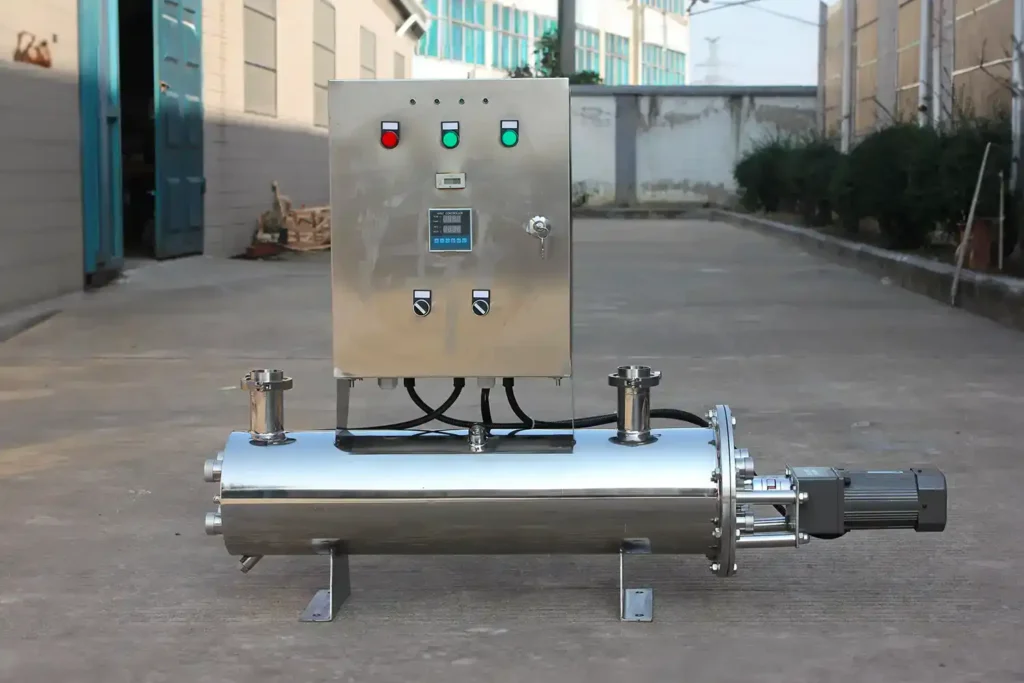
Ultraviolet treatment works in a completely different way. Instead of filtering contaminants out of the water, UV light is used to inactivate certain microorganisms by disrupting their ability to reproduce.
For properties where microbiological concerns are important, uv water purification systems can provide an additional treatment step. They are particularly relevant in some private-well applications, although the suitability of UV depends on the water conditions and the overall system design.
One important point: UV treatment doesn’t remove hardness, sediment, or many dissolved chemicals. Water often needs to be prefiltered so the UV light can work effectively.
That’s why water treatment isn’t always about choosing one technology. Sometimes several stages work better together.
Commercial Water Softening Has Different Demands
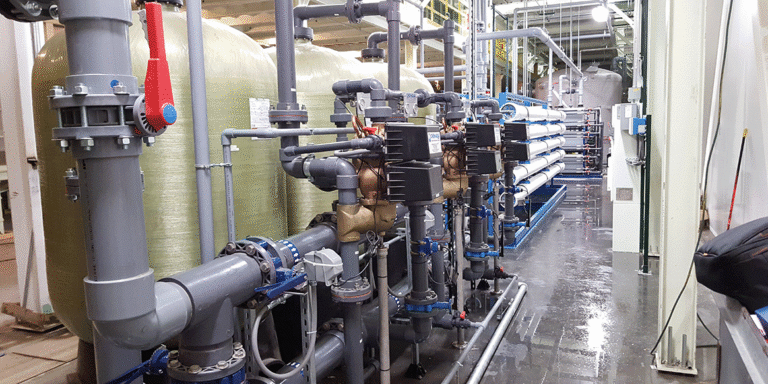
A business can use far more water than a typical household. Restaurants, hotels, laundries, manufacturing facilities, offices, and other commercial properties may need systems capable of handling much larger volumes.
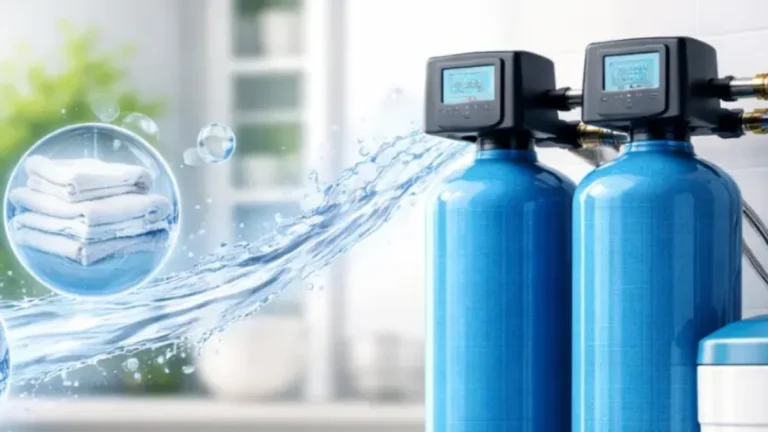
This is where commercial water softeners can play an important role when hard water is creating operational problems. Reducing hardness can help limit scale buildup in water heaters, boilers, dishwashing equipment, and other water-using systems, depending on the application.
Commercial equipment must be properly sized. Flow rate, water hardness, peak demand, operating schedules, and regeneration requirements all matter. A system that works well in a home may be completely unsuitable for a busy commercial facility.
Hard Water Can Become an Expensive Problem
Hard water isn’t necessarily dangerous, but it can be rough on equipment. Mineral scale can build up on heating elements and inside plumbing. In commercial settings, that buildup can become more than a cosmetic annoyance.
Reduced efficiency, increased maintenance, and equipment downtime can all affect operating costs. For a business, even small inefficiencies can add up.
That doesn’t mean every commercial property needs a softener, though. Testing and understanding the facility’s actual water conditions should come first.
Combining Treatment Technologies
Sometimes the best solution isn’t a single machine. A property may benefit from several treatment stages designed to handle different concerns.
For example, sediment filtration might be used before another treatment stage. A softener could address hardness, while reverse osmosis provides additional treatment for drinking water. UV treatment may be appropriate where microbiological control is required.
The important thing is that each component has a clear purpose. Adding equipment simply because it sounds advanced isn’t necessarily better.
A well-designed system is usually more sensible than a complicated collection of technologies that aren’t needed.
Maintenance Matters More Than People Think
Water treatment equipment requires maintenance, and that’s not something to overlook when comparing systems.
Filters need replacing. UV lamps have service intervals. Reverse osmosis membranes eventually need attention. Softening systems need regeneration and, depending on the design, salt replenishment.
Ignoring these tasks can affect performance. It’s a little like owning a car and never checking the tires—everything may seem fine until suddenly it isn’t.
Create a simple maintenance schedule and follow the manufacturer’s recommendations. For commercial systems, professional servicing may be particularly important because equipment failure can interrupt business operations.
Think About the Total Cost
The purchase price is only the beginning. Installation, replacement parts, maintenance, electricity, water consumption, and service visits can all affect the long-term cost.
When comparing systems, ask for clear information about operating expenses. How often are filters replaced? How long does a membrane typically last? Does the system require professional servicing? How much water is used during regeneration or filtration?
These questions may seem boring during the buying process, but they’re much more interesting than discovering unexpected expenses later.
Choosing a System With Confidence
The best water treatment system isn’t necessarily the biggest, newest, or most expensive. It’s the one that addresses the actual problem.
Start by testing the water and identifying your priorities. If drinking water is the main concern, point-of-use treatment may be sufficient. If microorganisms are an issue, UV technology may deserve consideration. If hard water is affecting a commercial operation, properly sized softening equipment could provide meaningful benefits.
Most importantly, don’t let complicated terminology make the decision feel harder than it needs to be. Ask questions, compare specifications, understand maintenance requirements, and work with professionals who are willing to explain their recommendations.
Good water treatment should quietly make life easier. Whether you’re filling a glass at home or keeping a busy commercial facility running smoothly, the right system can protect equipment, improve everyday water use, and reduce headaches down the road.
Sometimes the smartest investment is the one you hardly notice once it’s doing its job.