Most of us don’t spend much time thinking about the water flowing from the kitchen tap. We expect it to be clear, safe, and ready to use. It becomes part of everyday life in such a quiet way that we barely notice it—until something changes. Maybe the water starts tasting strange, leaves spots on dishes, or develops an unusual smell that wasn’t there before.
Those little changes can feel easy to dismiss at first. After all, water still looks clear, so it must be fine… right? Not always.
The truth is, water quality is more complicated than what we can see with our eyes. A glass of crystal-clear water may still contain minerals, disinfectants, or naturally occurring elements that affect its taste, smell, or performance around the home. Understanding a few common warning signs can help you make better decisions without turning every odd taste into a major concern.
Water Doesn’t Have to Look Dirty to Have Problems
One of the biggest misconceptions about household water is that clear means perfect.
In reality, many water quality issues are invisible. Dissolved minerals, naturally occurring gases, and treatment chemicals don’t necessarily change the appearance of water. Instead, they quietly influence how it tastes, smells, and interacts with plumbing fixtures.
That’s why many homeowners first notice changes while making coffee, filling a bathtub, or simply taking a sip after work. Something feels different, even if nothing looks unusual.
Paying attention to those subtle differences is often the first step toward identifying a larger issue.
Understanding What Dissolved Minerals Mean
Water naturally collects minerals as it travels through underground rock formations. Calcium, magnesium, sodium, and many other minerals become part of the water long before it reaches your home.
One measurement professionals often look at is total dissolved solids, commonly called TDS. This value represents the combined amount of dissolved minerals, salts, and other substances present in the water.
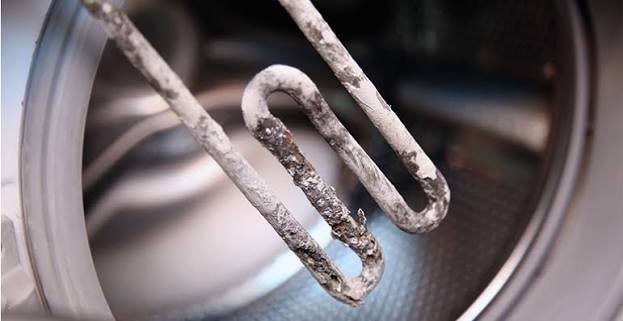
A higher reading doesn’t automatically mean the water is unsafe. In many cases, naturally occurring minerals are harmless. However, unusually high levels can affect taste, create scaling inside appliances, reduce soap efficiency, and shorten the lifespan of plumbing equipment.
Think of TDS as a useful indicator rather than a final answer. It provides valuable information but should always be considered alongside other water quality tests.
When Your Water Smells Like Rotten Eggs
Few household problems get attention faster than an unpleasant smell coming from the faucet.
A rotten egg odour is usually linked to hydrogen sulfide gas, which forms when bacteria interact with naturally occurring sulfur underground. This situation is especially common in private well systems, although municipal water users occasionally experience similar issues.
The smell itself is unpleasant, but it also tells you something important about your water source. Sometimes the issue originates deep underground. Other times, it develops inside plumbing or even within the water heater.
The encouraging news is that these problems are often manageable once the exact source has been identified through proper testing.
Why Your Water Tastes Like a Swimming Pool
If you’ve ever taken a sip of tap water and immediately thought of a public swimming pool, you’re not imagining things.
Many public water supplies use chlorine to disinfect drinking water before it reaches homes. This process plays a vital role in reducing harmful bacteria and protecting public health.
Occasionally, though, seasonal changes, maintenance work, or shifts in water demand can temporarily increase the noticeable taste or smell.
While the presence of chlorine may be unpleasant for some people, it doesn’t necessarily indicate poor water quality. Still, homeowners who dislike the taste often choose filtration systems designed to reduce residual disinfectants while maintaining safe drinking water.
Sometimes improving flavour simply makes it easier to stay hydrated.
Hard Water Leaves More Than Just Spots
Mineral-rich water has another habit—it leaves evidence everywhere.
White deposits around faucets, cloudy glassware, stiff laundry, and soap that refuses to lather properly often point toward hard water. Although hard water isn’t generally considered harmful to drink, it can quietly increase household maintenance over time.
Water heaters become less efficient, dishwashers require extra cleaning, and coffee makers develop mineral buildup faster than expected.
These small inconveniences add up gradually, making water treatment worth considering even when health isn’t the primary concern.
The Importance of Testing Instead of Guessing
It’s tempting to search online, identify one symptom, and immediately buy a filter.
Unfortunately, water quality rarely works that way.
Two homes in the same neighbourhood can experience completely different issues depending on plumbing materials, groundwater conditions, or municipal infrastructure. A filter that works perfectly for one family may accomplish very little for another.
Professional testing removes the guesswork by measuring mineral content, pH balance, bacterial activity, hardness, dissolved solids, and other important characteristics.
Having accurate information allows homeowners to choose solutions based on facts rather than assumptions.
Choosing Water Treatment That Actually Fits Your Home
Not every house requires an elaborate filtration setup.
Some homeowners benefit from a simple activated carbon filter to improve taste and odour. Others may need reverse osmosis for drinking water, water softeners for mineral reduction, or whole-house filtration systems that address several concerns simultaneously.
The best solution depends entirely on the water entering your home.
Rather than focusing on the most expensive equipment, it’s usually smarter to invest in a system designed specifically for your water conditions. Tailored solutions often perform better while costing less to maintain over the long run.
Small Habits That Help Protect Water Quality
Maintaining good water quality doesn’t always involve expensive equipment.
Replacing refrigerator filters on schedule, cleaning faucet aerators, servicing water softeners, flushing older water heaters, and paying attention to changes in taste or smell all contribute to healthier household water.
These routine habits may seem minor, yet they often prevent larger problems from developing unnoticed.
Water systems, much like heating and cooling equipment, perform best when they receive a little attention every now and then.
Fresh Water Brings Everyday Peace of Mind
Clean water is one of those comforts we tend to appreciate only after something changes. A strange taste, an unexpected smell, or stubborn mineral stains remind us how much we rely on it every single day.
Fortunately, most common water quality concerns have practical solutions. Whether you’re dealing with dissolved minerals, unpleasant odours, or simply wondering why your tap water tastes different than it used to, understanding the cause is always the best place to begin.
Instead of relying on assumptions, take the time to learn what’s actually flowing through your pipes. A simple water analysis today can help protect your plumbing, improve drinking water, extend the life of your appliances, and make everyday routines feel just a little more comfortable.
Sometimes, the smallest improvements at the tap end up making the biggest difference throughout the entire home.